Nearly 5 billion people, or two-thirds of the world’s population, have no real access to justice (World Justice Project, 2023). There are many reasons for this: failing institutions, situations of conflict or a lack of effective legal protection.
This reality reflects a major challenge for the rule of law: the inability of judicial systems to guarantee fundamental rights accentuates inequalities, weakens social cohesion and hampers sustainable development and growth. Vulnerable populations – women, young people, minorities – are hit the hardest, as they are exposed to impunity, corruption and exclusion from public services.
On a global scale, the World Bank believes that the absence of accessible justice mechanisms compromises the legal security of investments and the stability of institutions.
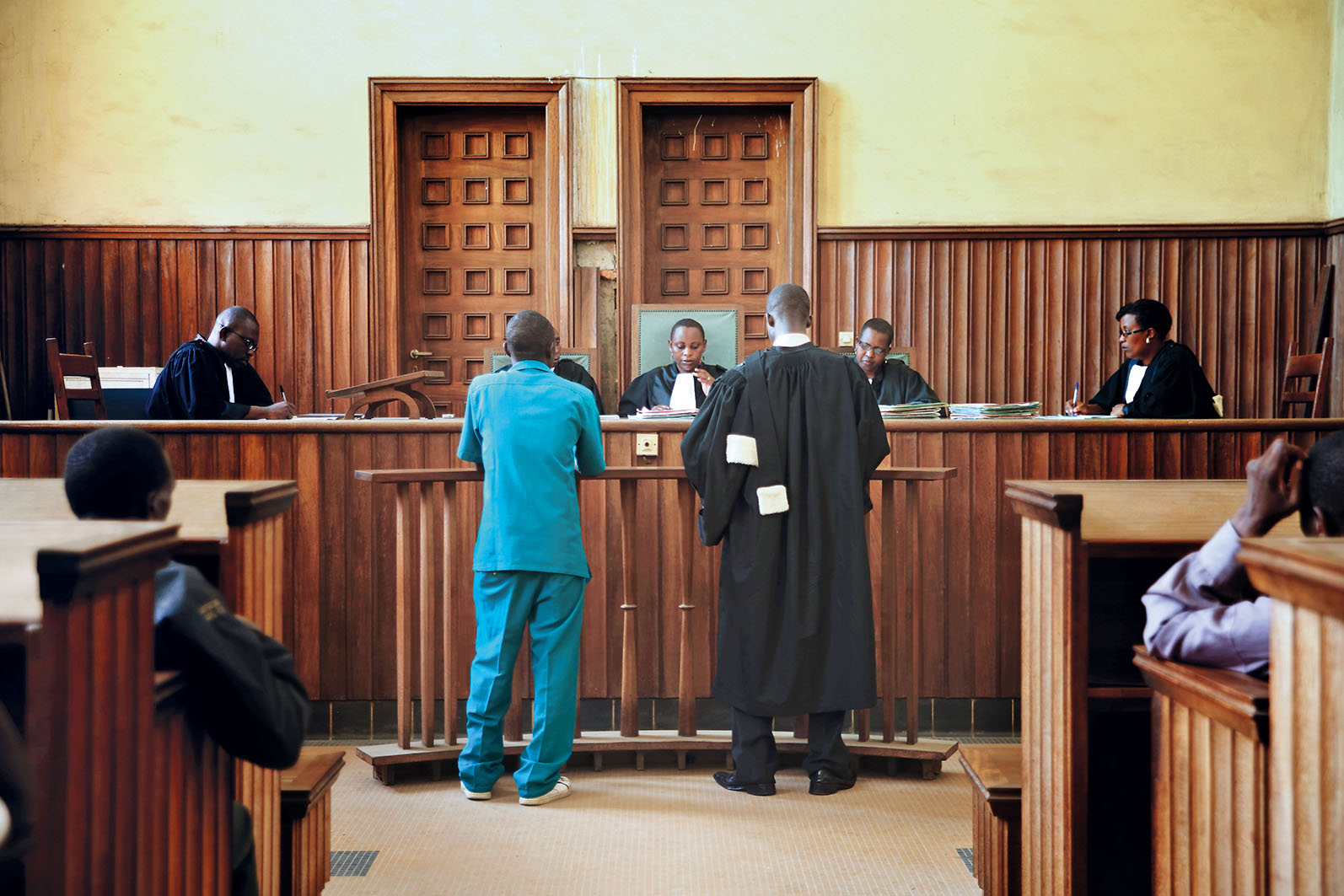
Strengthening access to justice is therefore of strategic importance for international cooperation: It is about consolidating governance, preventing conflict and promoting inclusive societies. This is why Enabel supports both the strengthening of state judicial systems and local conflict resolution mechanisms (dialogue, mediation, conciliation or community-led arbitration). When well coordinated, these two systems ensure a more inclusive, complementary and effective justice.