9 July 2025
Ukraine Recovery Conference in Rome: the strength of international partnerships
Interview
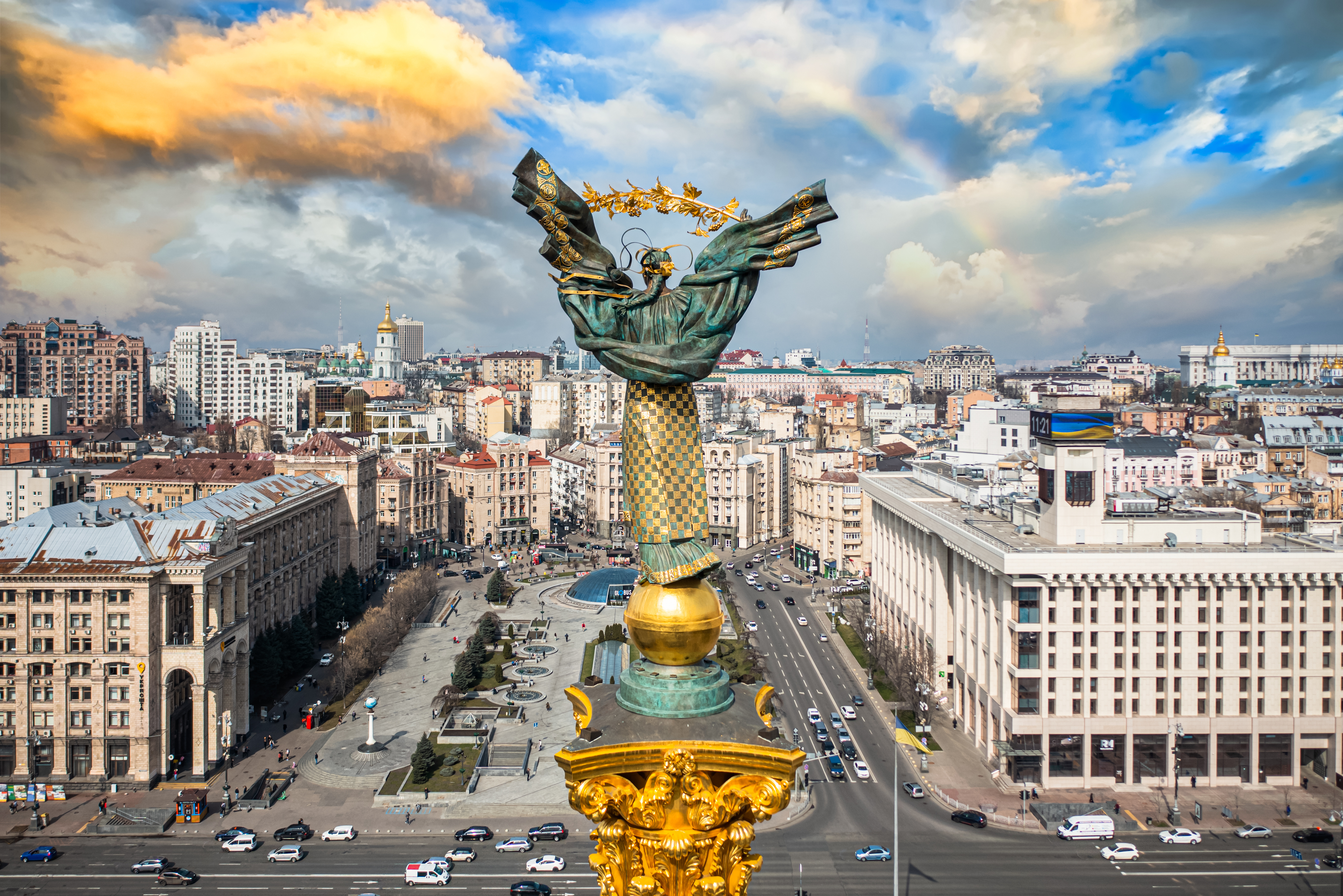
The Ukraine Recovery Conference (URC2025) will be held in Rome on 10 and 11 July 2025. This is the fourth conference on Ukraine’s recovery. It is a high-level political event held every year since the start of Russia’s large-scale war of aggression against Ukraine. The conferences are dedicated to Ukraine’s rapid recovery and long-term reconstruction. Governments, international organisations, financial institutions, businesses, regions, municipalities and civil society are coming together, united by a shared commitment to strengthening Ukraine’s resilience for as long as necessary.
A conversation about this important conference with Jean Van Wetter, CEO of Enabel.
Why is Enabel taking part in this conference?
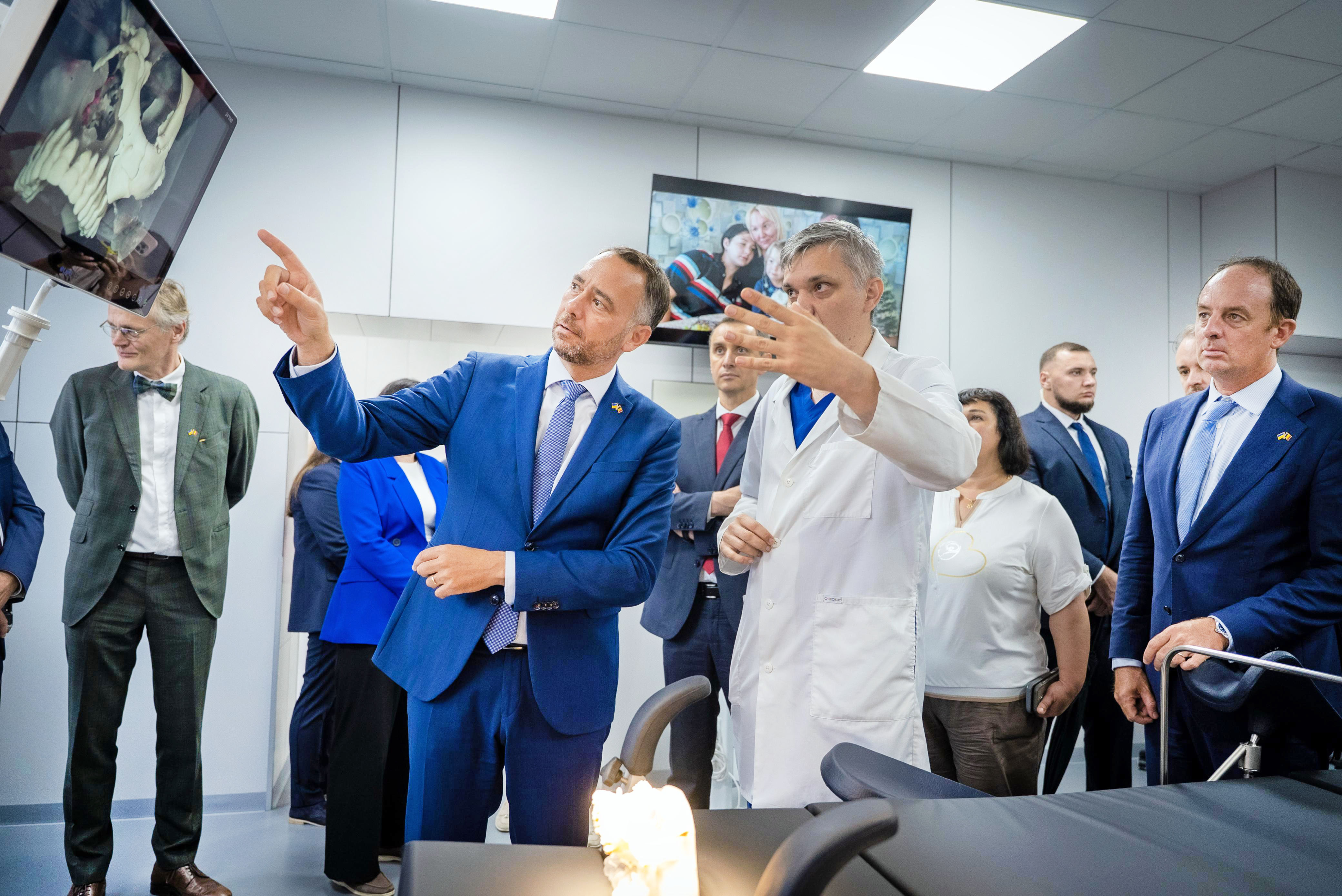
Jean Van Wetter : Enabel has a major reconstruction programme in Ukraine, worth 150 million euro, in the education, health and energy sectors. It is financed by Belgium. We are one of the players involved in reconstruction, so it is important to be present at the conference to ensure that what we do is well coordinated with the actions of other partners. Enabel will sign five memorandums of understanding with the Ukrainian Ministries of Economy, of Health, of Energy, of Education and of Territorial Development. These agreements aim to modernise public services, strengthen energy resilience, improve medical and educational infrastructure and support local employment. These agreements reflect a strong, shared ambition: to go beyond emergency aid and put in place resilient systems that empower communities and promote inclusive growth.
Also within the Practitioners’ Network of European agencies (PN), which we co-chair with the Swedes, it is important to have a coherent approach between members. For the PN, this conference is an opportunity to strengthen coordination between network members. The PN does not replace the European Union in its European coordination role. But the PN, as an independent organisation, can pursue coordination of what the Member States themselves finance. For example, Belgium and France are implementing projects in Chernihiv, independently of EU funding. I think that the PN has a role to play in coordination there. And this role can also be taken on at other international events, such as the Africa Climate Summit in September or the Global Gateway Forum in October.
Our presence is also symbolic. Ukraine needs moral support. Sometimes we underestimate it, but the fact that we feel that the international community is behind Ukraine helps Ukrainians to remain resilient. Most of our Ukrainian partners will be there, so it’s also an opportunity for us to meet our Ukrainian partners.
Ukraine is a country at war. In this context, is it useful and relevant to already be working on education, health and energy, without having any guarantees in terms of security? Aren’t the risks too great?
Jean Van Wetter : That’s a good question. Our approach in Ukraine is twofold. There is a reconstruction component as well as an institutional strengthening component to prepare Ukraine’s integration into the European Union. As far as reconstruction is concerned, we don’t take many risks, because we don’t work in front-line areas. We are working mainly in Kyiv and Chernihiv. Cities that are relatively unscathed even though they have been bombed. There’s always a risk, but it’s a calculated risk. As for the institutions, the acquis communautaire and the integration of the European Union, there are no risks.
“Ukraine needs moral support. Sometimes we underestimate it, but the fact that we feel that the international community is behind Ukraine helps Ukrainians to remain resilient. “
What will make the Ukraine conference a success?
Jean Van Wetter : The conference does not deal with defence aspects, but focuses on economic issues, the human dimension, local and regional reconstruction, and integration into the EU. The current debate is about priorities: Is the priority defence and defence alone, or also reconstruction? Is it worth rebuilding when the attacks continue? I would say that the conference will be a success if the international community remains committed to engagement and resistance. Alongside the military aspects, there is human resilience. How do you resist, how do you rebuild, how do you go to school, how do you organise health care, how do you continue to supply electricity in a war situation? This is extremely important. The conference will be a success if it succeeds in restoring a little hope in a population, which has already suffered three years of war.
Is this conference a test case for the future for Enabel?
Jean Van Wetter : For Enabel, this conference is important because it gives us the opportunity to meet representatives from the private sector, particularly from the energy sector, who are our natural partners in the reconstruction of the country. From a broader perspective, the presence of the private sector at such conferences is a matter of course, whether in Ukraine or elsewhere. The interaction and symbiosis between public services, facilitating organisations such as Enabel and the business world is fertile ground for innovation and disruptive change. It is at times like these that the added value of credible international cooperation really comes into its own.