News
1 July 2025
From architect to humanitarian worker
Interview with Florence Radu – former Junior Expert in Senegal
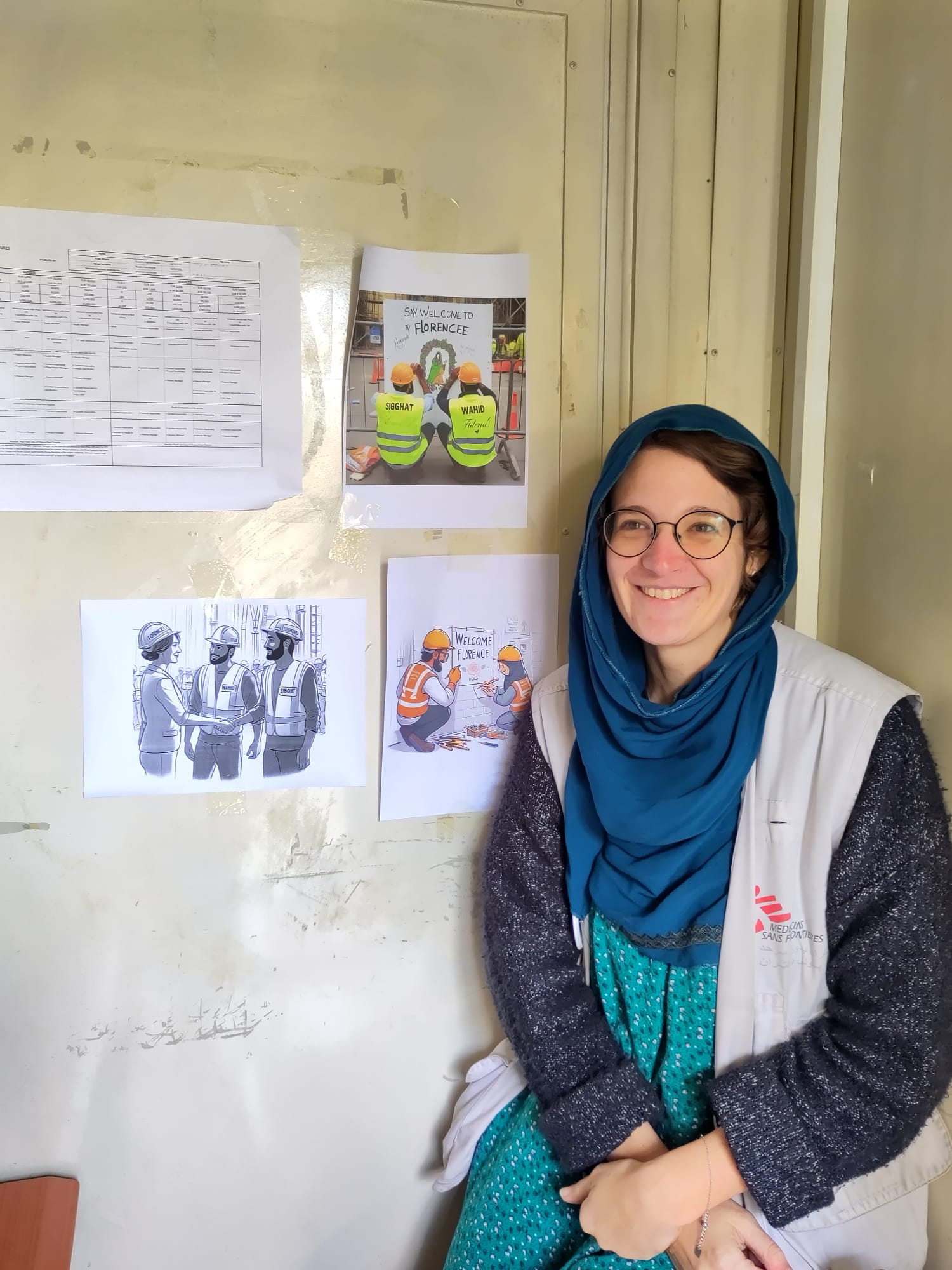
Florence Radu, 34, has built a career at the intersection of architecture, cooperation, and humanitarian action. Trained as an architect, she first worked for Enabel in Senegal through the Junior Programme, before joining Doctors Without Borders, with assignments in Sudan, Afghanistan, the Central African Republic, South Sudan, and Nigeria.
Her first experience in international cooperation began with the Parerba Project of Enabel, aimed at curbing rural emigration to Dakar by developing local agro-food sectors. Hired as a junior in land-use planning, she worked on sustainable community gardens, water management of the different plots, and created a GIS-based (Geographic Information System) mapping database. “The area is huge, and cartography helped us better visualise our actions and adapt them to the terrain.”
Before the end of her contract she developed a website to allow partners and local authorities to follow the project’s evolution and tangible impacts, such as the number of jobs created.
Who matters in your life?
After starting in Thiès, Florence followed the project’s relocation to Kaolack, a busy junction on the road to Mali and Gambia. “It wasn’t easy to adjust at first. There were very few expats and this made me very visible. Which can be a weird sensation. But it helped me build closer relationships with my Senegalese colleagues.”
Looking back, she realises, it was a formative period in her life. “I learned the importance of identifying key support people during difficult times.” Florence speaks fondly of the connections she made: “I met extraordinary people, fellow juniors and Senegalese colleagues.”
One of her strongest memories remains her farewell party in Kaolack: “I was touched. I felt like my work was acknowledged, even though I was just a ‘young passerby’ in the project.”
Lessons Learned, Adapting, and Embracing Flexibility
The Junior Programme launched my career. “It’s thanks to that experience that I now work with Doctors Without Borders. As juniors, we hold ‘bonus’ positions, because whether there’s a junior or not, the project still needs to achieve its goals. But this has the benefit that I could really shape my position myself.” She made the most of that freedom, notably by leading GIS work that became central to the project.
Florence remains critical of certain aspects of partner involvement. “When our main financial partner visited, it took a lot of time and energy to prepare for that visit. I feel the actions we do should speak for themselves, and so in my mind it makes more sense for them to join us during a regular workday. But I guess, that’s just how the system works.”
She values Doctors Without Borders’ independence in this regard: “Without institutional partners, we are more free to operate and can solely focus on getting our job done.”
You never know what might happen tomorrow
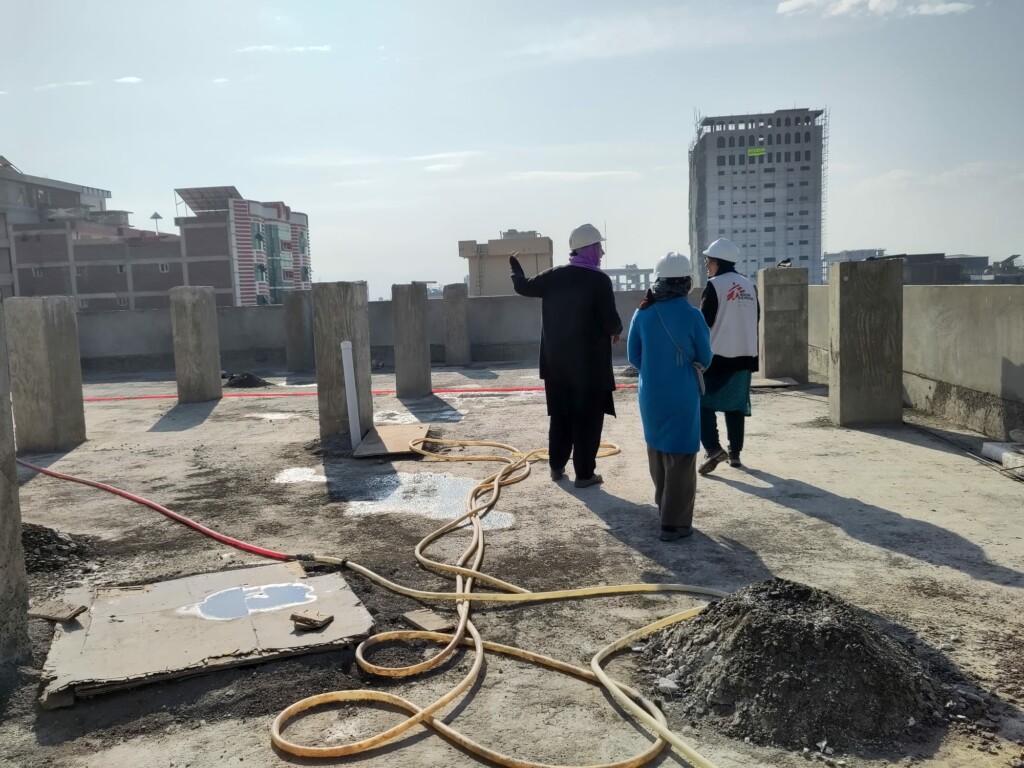
Now working as a Hospital Facility Manager, Florence ensures hospital infrastructure is in place so medical teams can do their work properly. She’s currently considering a position at Doctors Without Borders Brussels headquarters, with regular visits in countries of operations. “A little bit more stability might be nice for a while, and to see my family more often.”
Beyond work, living abroad has reshaped Florence’s worldview. “In Belgium, people often think in similar ways. In Senegal I realised there are different truths, different ways to approach life.”
One striking example for her was the use of Insha’Allah (God willing) when scheduling a meeting. “At first it annoyed me. For me, if we make an appointment at 9 a.m tomorrow, that means 9 a.m. Why add Insha’Allah to that? But later on, I understood: we don’t control everything, who knows what might happen between now and tomorrow morning? That philosophy has stuck with me.”