News
1 September 2025
Making finance work for social change
Interview with Haroun Barrijal – Junior Expert in DR Congo
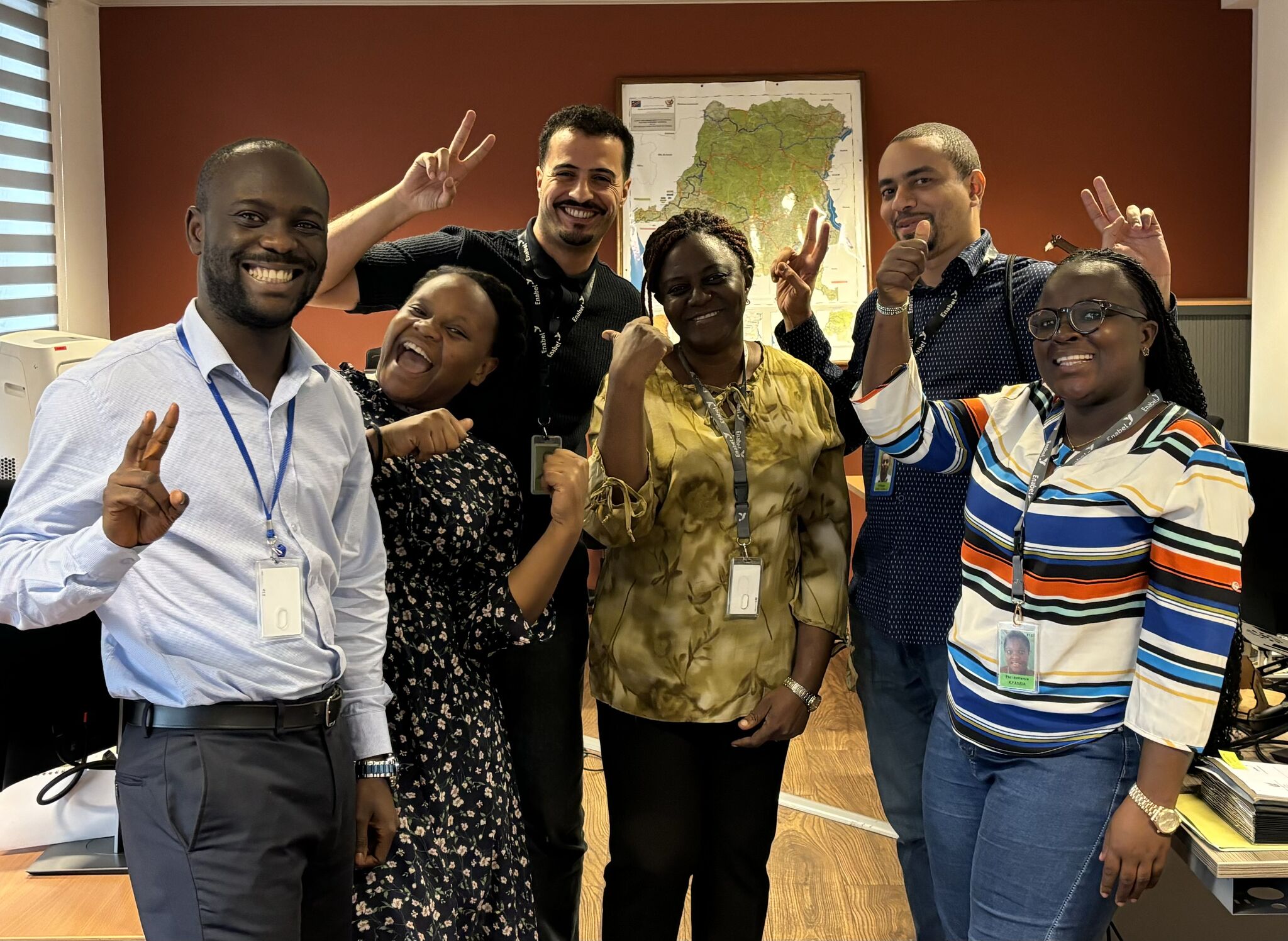
After nearly two years working as a Junior Expert in Finance & Administration in DR Congo, Haroun returned to Belgium at the end of July 2025. With a background in accounting and finance, and experience in the private sector, he entered the world of international cooperation through Enabel’s junior programme. “Well-functioning financial processes and clear regulations really boost the impact of our work.”
Arriving in Kinshasa was a bit of a culture shock: “At first, it was a real challenge: finding a place to live, figuring out how to navigate a city of 20 million people… A city that never stops, never sleeps. But once I found a nice apartment and started feeling at home, everything started to fall into place.”
Goodbye Paperwork and Cash
As a Finance & Administration Expert, Haroun worked on streamlining processes, training local teams, and exploring the feasibility of innovative solutions like mobile payments. “In Congo, Enabel was still using cash quite a lot, even for small reimbursements. We’ve now switched to mobile money, which isn’t always easy in remote areas. But it’s made tracking transactions much easier.”
He also contributed to major internal changes: “I helped the finance team in DR Congo go fully paperless. That took some convincing:some colleagues were really attached to their paper files. But now even the biggest skeptics tell me they’re happy with the change.” In doing so, Haroun made a concrete contribution to Enabel’s sustainability goals.
One of the highlights for Haroun was helping to open a new regional office in Lubumbashi. “I temporarily stepped in as the financial lead there and helped design the office layout with the infrastructure expert. It was really rewarding to see how excited colleagues were to start working in a fresh, well-equipped space.”
Not Your Typical Profile
With a bachelor’s degree in accounting and finance, and previous roles as an auditor at DHL and supply chain coordinator at Chevron, Haroun’s profile doesn’t quite match the traditional image of a ‘development worker’. “Process optimization is something I did in the private sector too, but here you really feel the impact. In the social sector, a more efficient process can make a difference for thousands of people.”
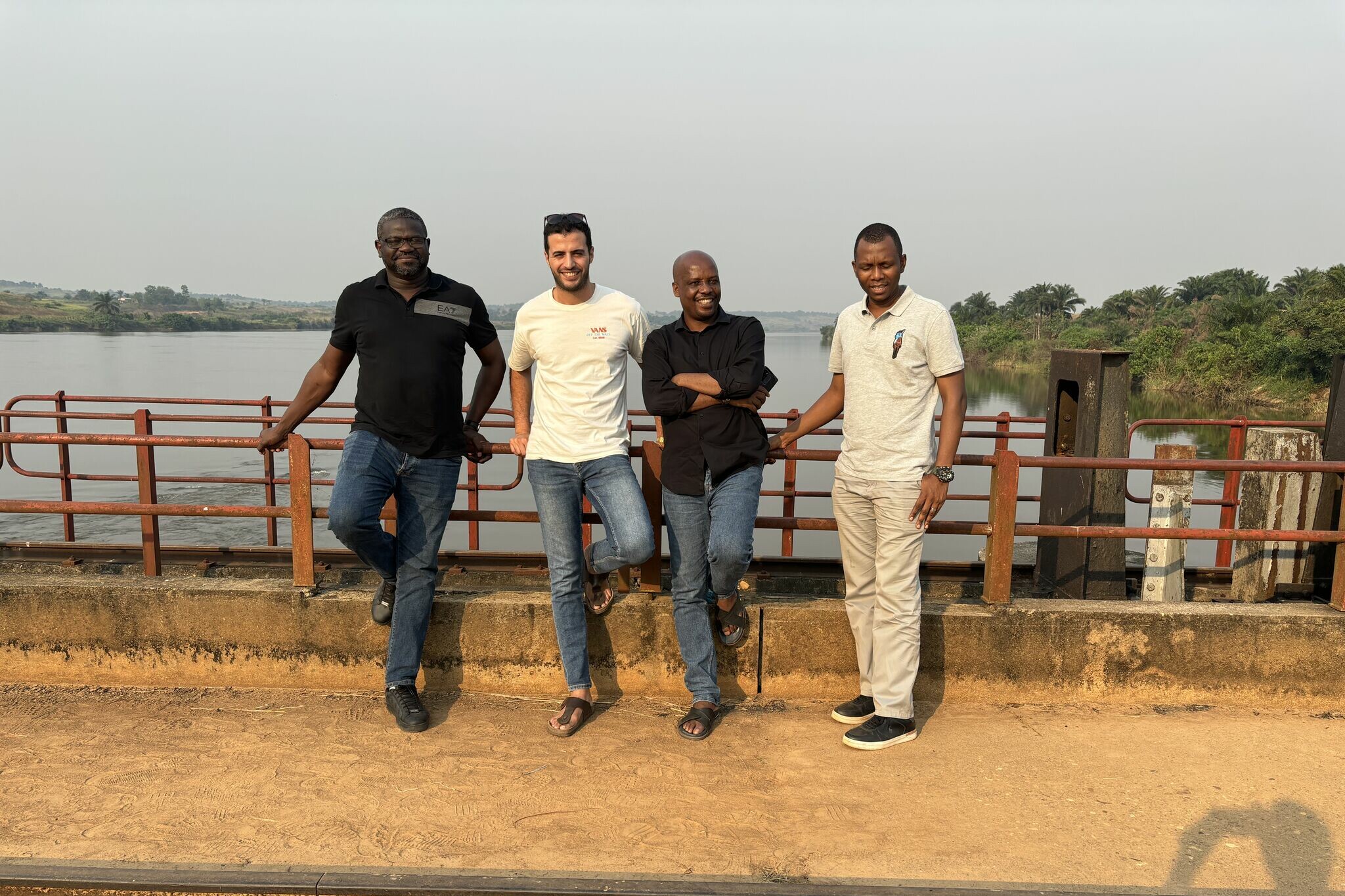
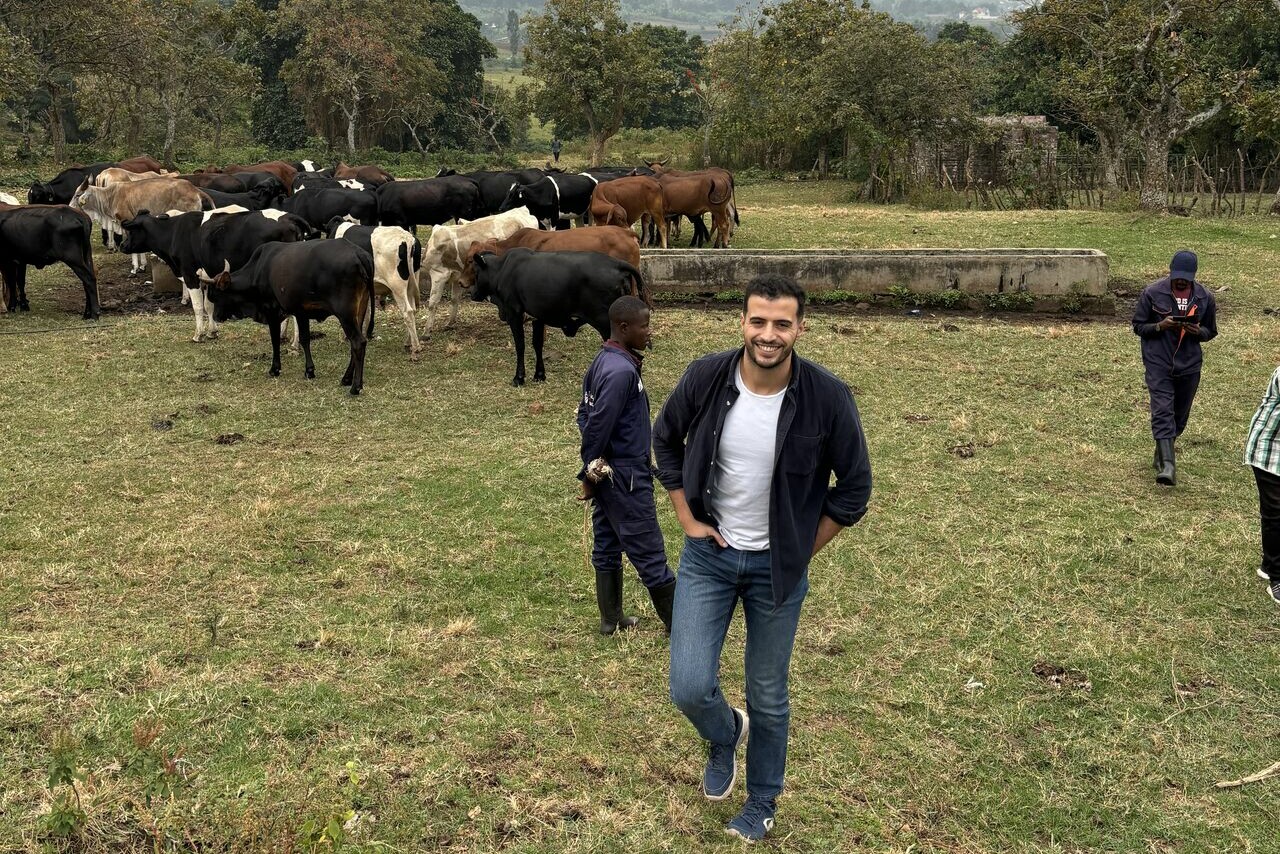
His role took him to some of the most remote parts of the country, from Kasai to Haut-Katanga. “You need to understand the reality on the ground to come up with good solutions. Sometimes it’s about very practical things, like what to do when a colleague gets stuck somewhere and can’t return? Then you make sure there’s a place for them to sleep. You have to be flexible.”
His experience in the aviation sector also came in handy. Haroun contributed to a feasibility study for an air bridge using a chartered plane—crucial for transporting materials to hard-to-reach projects. He also helped set up a tracking system with the logistics team to monitor things like fuel consumption and the weight of transported goods.
Looking for More Responsibility
While Haroun looks back on his experience with satisfaction, he’s also honest about its limitations. “I’m someone who likes to stay busy, and I noticed that the workload came in waves. I would’ve liked to take on even more. But without the Junior Programme, I never would’ve made the leap into international cooperation. I really appreciate that opportunity.”
What’s next? “I’ll probably return to the private sector for a while, my experience in DRC can be valuable there too. But I definitely see myself coming back to international cooperation later in my career. Social engagement remains important to me.”