News
4 December 2025
Boosting agri-entrepreneurship in Mbeya
Interview with Léonie Kahle (27), former Junior Expert in Tanzania
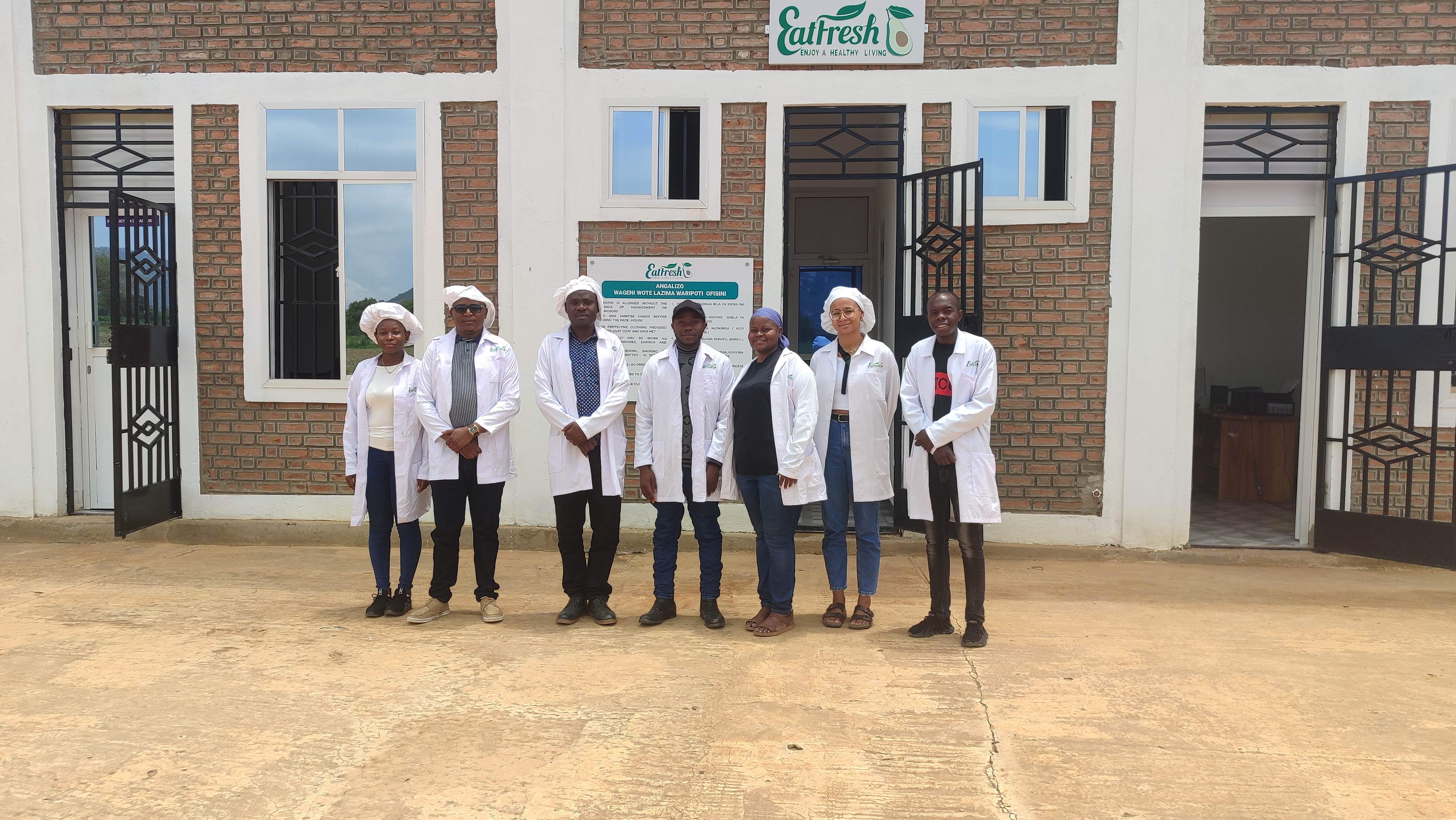
At just 25, Léonie chose to continue her exploration of the field of international cooperation through the Junior Programme. Different stops from Kinshasa to Frankfurt led her to the city of Mbeya in Tanzania to work with the Belgian NGO, Rikolto. The thread running through her international experiences: using entrepreneurship as a lever for equity.
Léonie did not stumble into this sector by chance. After studying social work, a choice inspired by her desire to contribute to a fairer society, she realised she didn’t only want to focus on Belgium but look beyond. “My mother is from Côte d’Ivoire, and part of her family grew up in rural areas of the country with modest means. Many people still achieved incredible things with very little. But the reality that not everyone starts off with the same opportunities, struck me from a young age.”
She decided to go back to university and completed a Master’s in Population and Development Studies at ULB, she focused on sub-Saharan Africa, education, and labour markets. “When you study sub-Saharan Africa and employability, you quickly see that in many countries of the region, there are too few job opportunities for young people. So, they turn to the informal economy and entrepreneurship.”
From Kinshasa to Mbeya
Leonie’s’ thesis explored women’s entrepreneurship in Kinshasa. She worked with young entrepreneurs there and witnessed first-hand the creativity that often arises out of necessity. “Entrepreneurship shouldn’t be idealised, it’s not a quick fix for systemic inequalities, but it can offer opportunities to generate income and strengthen local communities.”
As she started her 6 months internship with GIZ (the German Agency for International Cooperation) in Frankfurt, Léonie saw the job opportunity posted by the Junior Programme to work for the Belgian NGO Rikolto on entrepreneurship in Tanzania. After her time in Kinshasa, a city of 20 million that never sleeps, she was eager to continue working on the subject but in another, less hectic space. Away from insecurities that come with big-city-life. Mbeya, a Tanzanian city of just under 240.000 people, in a more laid-back mountainous atmosphere, seemed perfect for that.
“There are no big supermarkets or cinemas in Mbeya, but I could walk home at night, take motorcycle taxis without worry, and hike straight into the mountains behind my house. It was a peaceful environment.”
Encouraging young agri-entrepreneurs
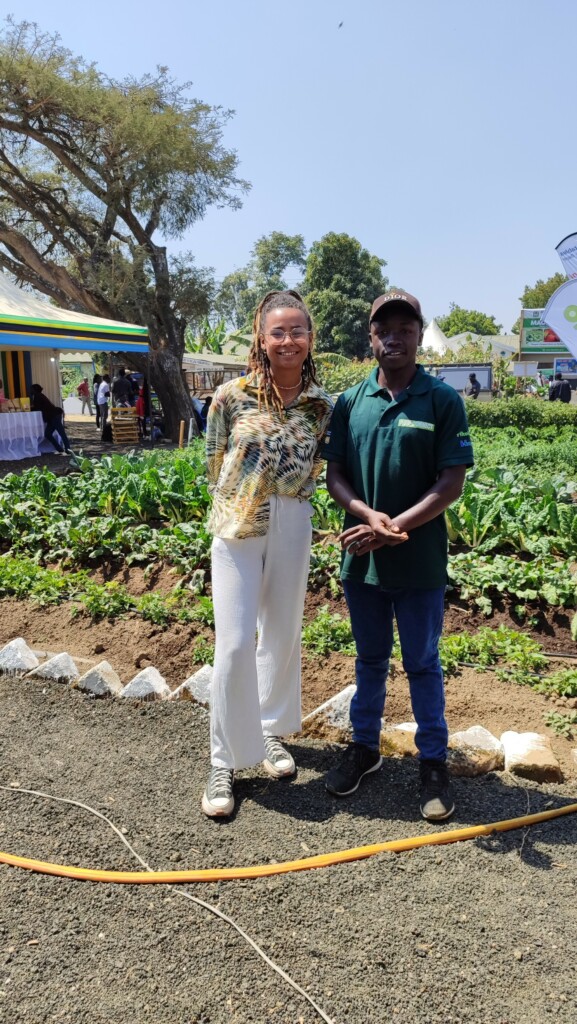
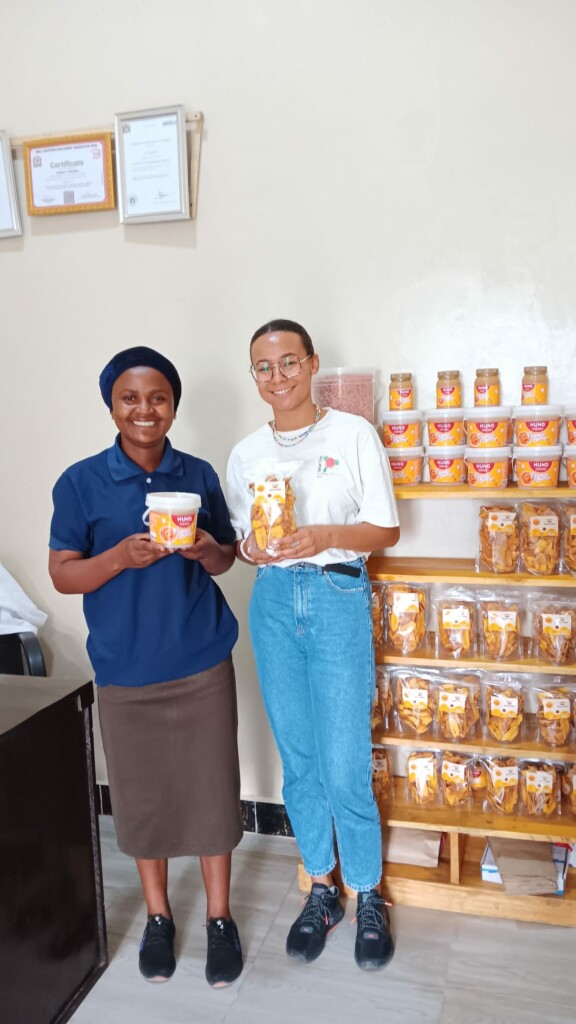
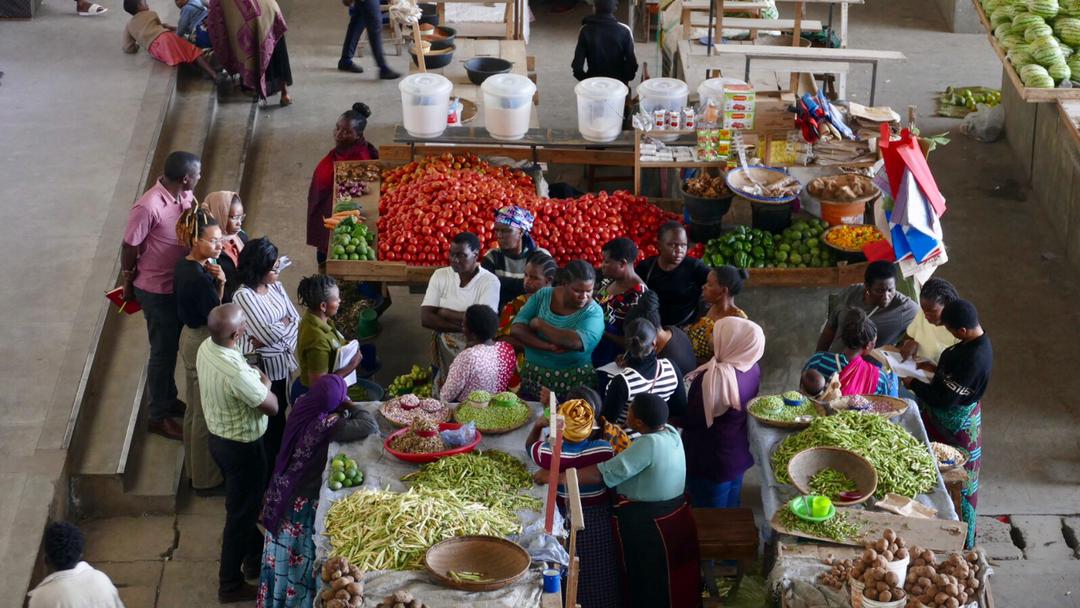
During her time as a Junior Expert, Léonie worked with Rikolto on the Generation Food Accelerator, part of the EU-funded AgriConnect programme. An initiative designed to support young entrepreneurs in agriculture, from farmers and processors to service providers like packaging developers.
It began with a bootcamp where 100+ aspiring entrepreneurs pitched their ideas. 77 were selected to receive mentoring, training, and seed funding, with top ventures later awarded up to 9 million Tanzanian shillings (the equivalent of about 3150 euros).
Léonie’s role was to ensure coordination: reviewing budgets and invoices, following up with mentors and incubators, and liaising across five different regions around Mbeya. “The hardest part was the logistics, some partners were six hours away by car. Organising events meant planning far in advance, making sure everyone could be present, and keeping the budget aligned.”
What Léonie liked the most about her job? Being in contact with these young entrepreneurs, especially the women. “Entrepreneurship offers women an opportunity to really show their ideas to the world. I feel that society doesn’t always allows them the space to do that, but here, they saw an opportunity and took it wholeheartedly.”
One story stayed with her: Agnes, a mother of two who started producing peanut butter. Initially a homemaker, she turned her idea into a small business, eventually securing a supermarket license. With the programme’s support, she bought equipment, expanded production, and acquired a motorcycle to deliver her products. “She was so proud, she came to show me her bike. Her determination inspired me.”
Adding the creative sector to the mix
After 1 year of working for Rikolto, Léonie decided it was time to return home. Now back in Belgium, she took up not one, but two new professional roles.
She currently works part-time at the Solvay Brussels School of Economics and Management. In parallel, Léonie is a Monitoring & Evaluation Coordinator at Africalia, which promotes African cultural and creative industries. She sees it as an added value to also look at the cultural sector as a driver for social change. “The funny thing is that I specifically follow-up on the Jeunesse Créative project, which enhances access to socio-cultural activities for young people in the DR Congo and is supported by Enabel. It feels full circle.”
The year in Mbeya taught Léonie a lot about herself: “I now feel that I know better what I stand for, what I enjoy, what I value, and what kind of a person I want to be. I’ve become more reflective about the work we do, calmer in accepting what I can and cannot control, and more confident in sharing my ideas. I used to fear being seen as ‘bossy’ when voicing concerns. The coaching the Junior Programme offered really helped me address that, and I would without hesitation go through the experience again.”