Urban development

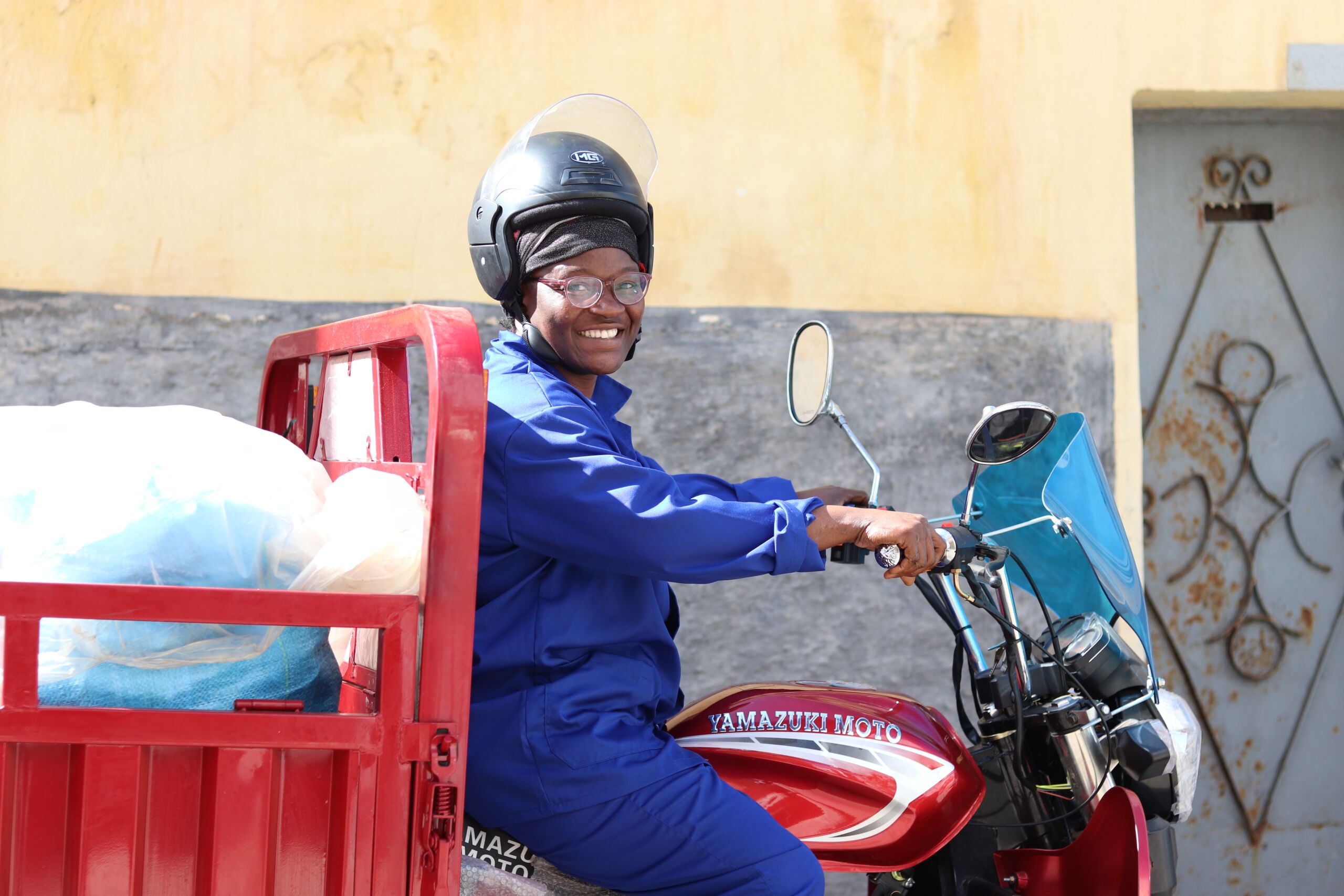
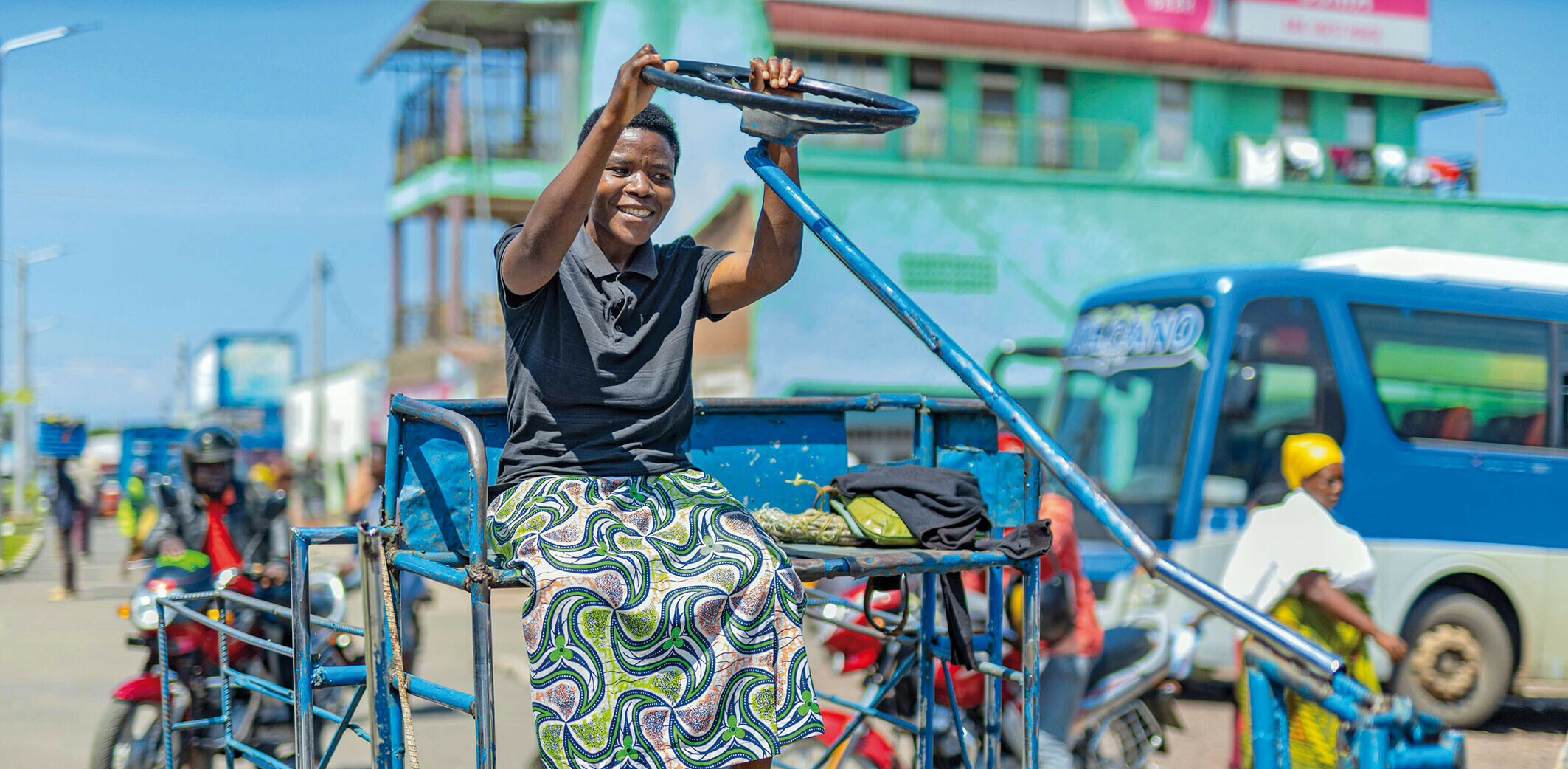
woman driving a bike

By 2050, 70% of the world population will live in cities. Rapid urbanisation, particularly in Africa and medium-sized towns, is placing urban issues at the heart of global challenges. Although cities occupy only 2% of the earth’s surface, they consume over 60% of the world’s energy.

The consequences of climate change are already being felt on the African continent, underlining the urgent need to adopt sustainable urban models. Crises and conflicts exacerbate this dynamic, with the majority of refugees and displaced people finding refuge in towns and their suburbs. As economic hubs and areas of diversity, cities are central to climate action and innovation. Citizen involvement is key to sustainable urban transitions.
2.5
billion people

An additional 2.5 billion people could be living in cities by 2050. Most of this future urban growth will take place in Asia and Africa.


Priorities


Enabel works with its partners to promote sustainable urban development, enabling everyone, especially young people, to thrive in towns and cities that meet their aspirations and actively participate in their co-construction. This approach to urban development is based on three main themes and two transversal approaches.

Green and circular cities: Enabel supports cities and regions in their urban planning by integrating aspects of the circular economy and green transition. This includes investing in resilient, low-carbon infrastructure, optimising municipal waste management systems and developing nature-based solutions such as green spaces and ecological corridors. The promotion of short distribution chains and local markets strengthens sustainable food production, while the creation of urban circular centres encourages innovation and employment.

Cities of refuge and resilience: Conflict and fragility are intensifying population displacements towards urban or peri-urban areas. Enabel is committed to developing structural responses centred on inclusion and social cohesion: This means inclusive urban planning, support for socio-economic initiatives and adapting public services and infrastructures to ensure equitable access for all. Citizen participation, dialogue and coordination between local players are essential for the social cohesion of communities and the resilience of the areas concerned.

Co-created cities: Enabel places citizen participation at the heart of the co-construction of urban services: We favour collaborative approaches and the use of digital technologies to enhance the transparency, accessibility and efficiency of public services. Particular attention is paid to involving young people and women in the decision-making process.

Gender transformative approach: Enabel is aware of the fundamental role played by women in making cities more inclusive and resilient. Enabel is focusing on three priorities: strengthening women’s leadership in local urban planning; supporting women’s economic empowerment, including in the informal and circular economy; and improving their access to basic services.

Integrated territorial approach: Enabel works alongside local players to promote the sustainable potential of cities and their ecosystems. Through joint projects, it enhances the assets of the cities, while strengthening the links between the cities and their hinterland. This approach encourages the development of dynamic urban networks and the structuring of development corridors.


Services


We work with our partners on a number of levels, offering them a comprehensive range of services tailored to their needs:

  • Strategic and inclusive urban planning, including a spatial analysis of territories
  • Support to the implementation and operation of local public sanitation and waste recovery services by mobilising the local private sector and civic commitment
  • Support for innovation and job creation through Urban Living Labs promoting social innovations and socio-economic opportunities around solutions to urban challenges
  • Support for green urban development projects
  • Strengthening of urban governance and support of public-private partnerships in connection with the management of urban infrastructure and services and the development of local and regional economies
  • Support local public consultation (urban walks, co-creation workshops, exchanges of practice) and improvement of local public policy coordination
  • Action research on innovative urban planning and management practices with Belgian and African universities and institutes

Experience

Supporting urban transformation in Rwanda

The Urban Economic Development Initiative (UEDI), launched in 2019 by Enabel and the Local Administrative Entities Development Agency (LODA), aimed to promote inclusive and sustainable urban development in four secondary cities: Musanze, Rubavu, Rwamagana and Nyamata.

The programme built climate-resilient infrastructure – green public spaces, youth centres, modern markets – while promoting ‘Made in Rwanda’ materials and the circular economy. Vocational training was a key pillar, with around 80% of graduates finding employment. The project also introduced nature-based solutions to limit flooding, reduce emissions and increase green spaces.

SANITA 3: Towards clean and sustainable cities in Guinea

In its third phase, the SANITA project, funded by the European Union, aims to achieve sustainable improvements in the urban environment and quality of life for Guineans. The first two phases involved setting up waste collection and sorting infrastructure and systems in Greater Conakry and Kindia, supporting local SMEs active in the sector and raising public awareness.

SANITA 3 consolidates these achievements and strengthens the solid waste management system, improving collection rates and encouraging recycling. The project also provides for the creation of temporary storage centres, including the one at Zacopé, which is essential for the communes in the north of Conakry. The Agence nationale de l’assainissement et de la salubrité publique (ANASP) plays a central role in supporting local players.

Find out more

Supporting resilience in Burkina Faso

In the Centre-Nord, Plateau Central and Centre-Est regions, the RESIL-KAYA and RESIL-KOUP programmes are strengthening people’s resilience with the support of Belgian cooperation and the European Union. They target women, young people and vulnerable groups in response to the multi-dimensional crisis affecting the country and the increased vulnerability, particularly linked to forced displacement. A key component is inclusive and sustainable urbanisation: These programmes encourage participatory territorial planning, involve communities in the management of urban areas, improve access to basic social services and support local authorities in the management of urban facilities.


Find out more about RESIL-KOUP
Find out more about RESIL-KAYA

Related content

Stay informed

Keep up-to-date with our latest activities and international development trends from a Belgian perspective.

Newsletter

"*" indicates required fields

This field is for validation purposes and should be left unchanged.