News
12 February 2026
“Small-scale farmers worldwide struggle to make a dignified living from their work”
Interview with Bram Jacobs (36) former Junior Expert in Uganda
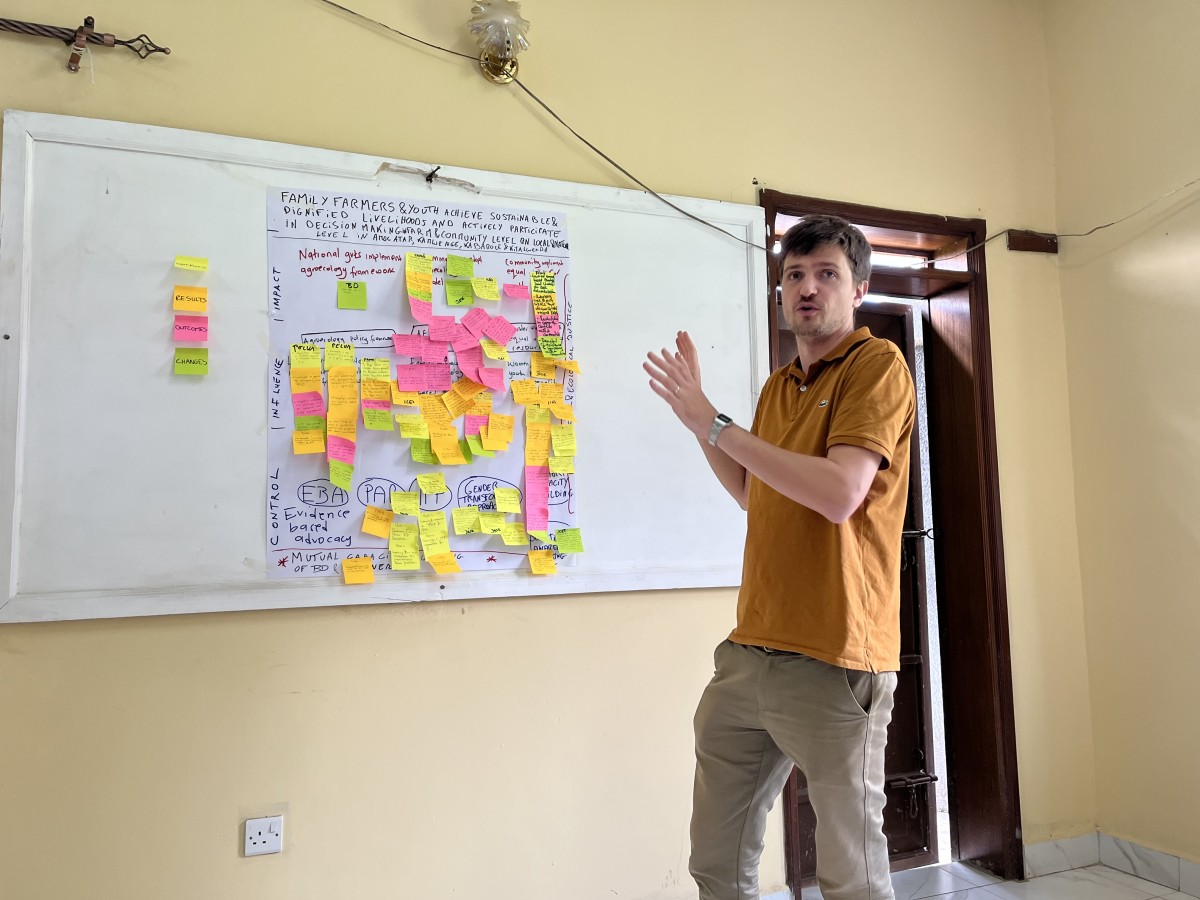
In 2017, Bram Jacobs (biologist) started working as a Junior Expert for Broederlijk Delen in Uganda. He was 28 at the time and worked for two years in Lira, a city of about 250,000 inhabitants north of Kampala. In 2026, nine years later, he is the proud father of three children and lives with his family in Kampala. In the meantime, he has continued his career at Broederlijk Delen as Country Representative.
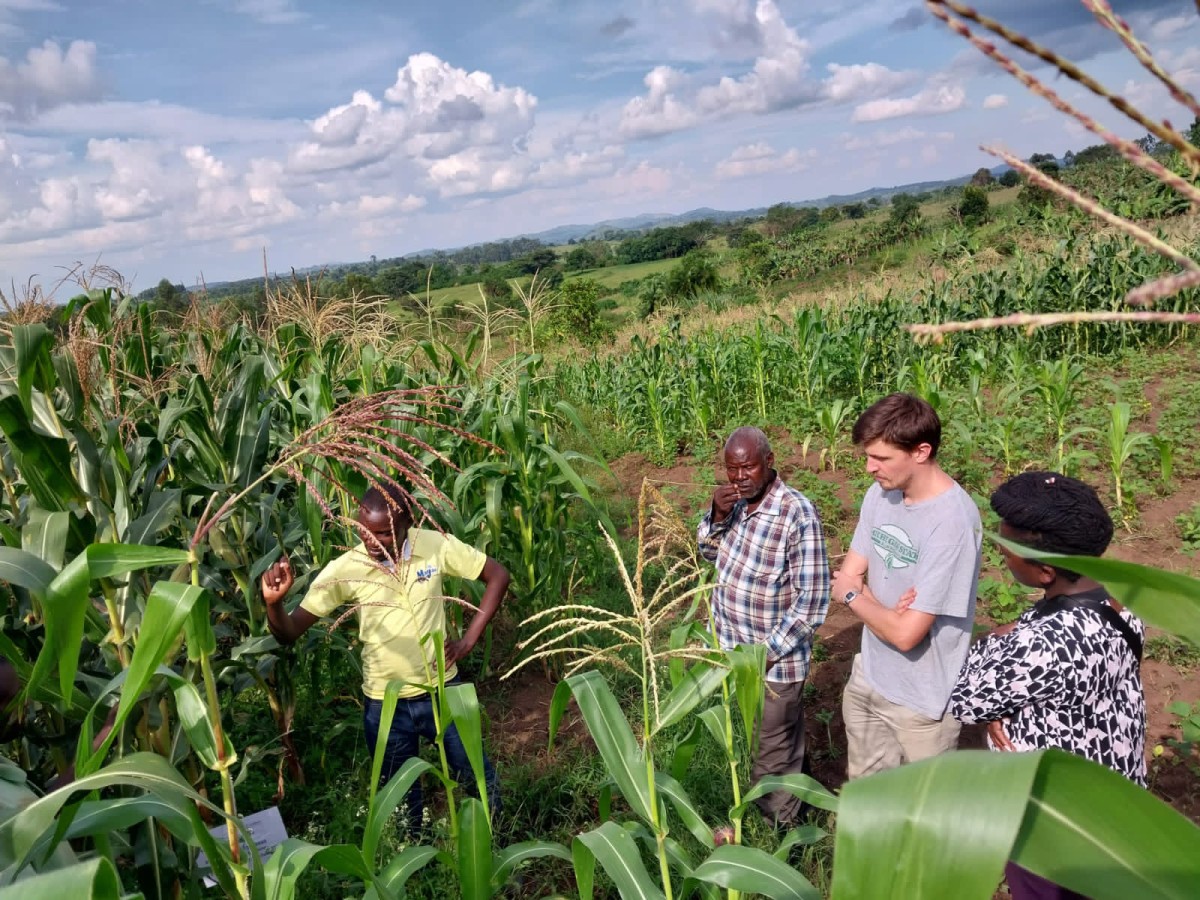
As a Junior Expert, Bram focused on agroecological farming. His role consisted of supporting Ugandan partner organisations that work with small-scale farmers, bringing together their knowledge and experimenting with new strategies together.
“I found myself in an environment where farming families often had to get by with very limited resources. And where people are farmers generation after generation. So it’s not as if we ‘have to explain’ how agriculture works. People have a great deal of practical, on-the-ground knowledge.”
The concept of “agroecology,” which is now receiving more attention in Belgium, is not new in Uganda either: “Agroecology is not a luxury there, but rather a necessity: working with nature, not against it.”
Parallels with Belgium
For Bram, there are clear parallels between the lives of farmers in Belgium and in Uganda. In both countries, they struggle with systems that leave them little room to manoeuvre.
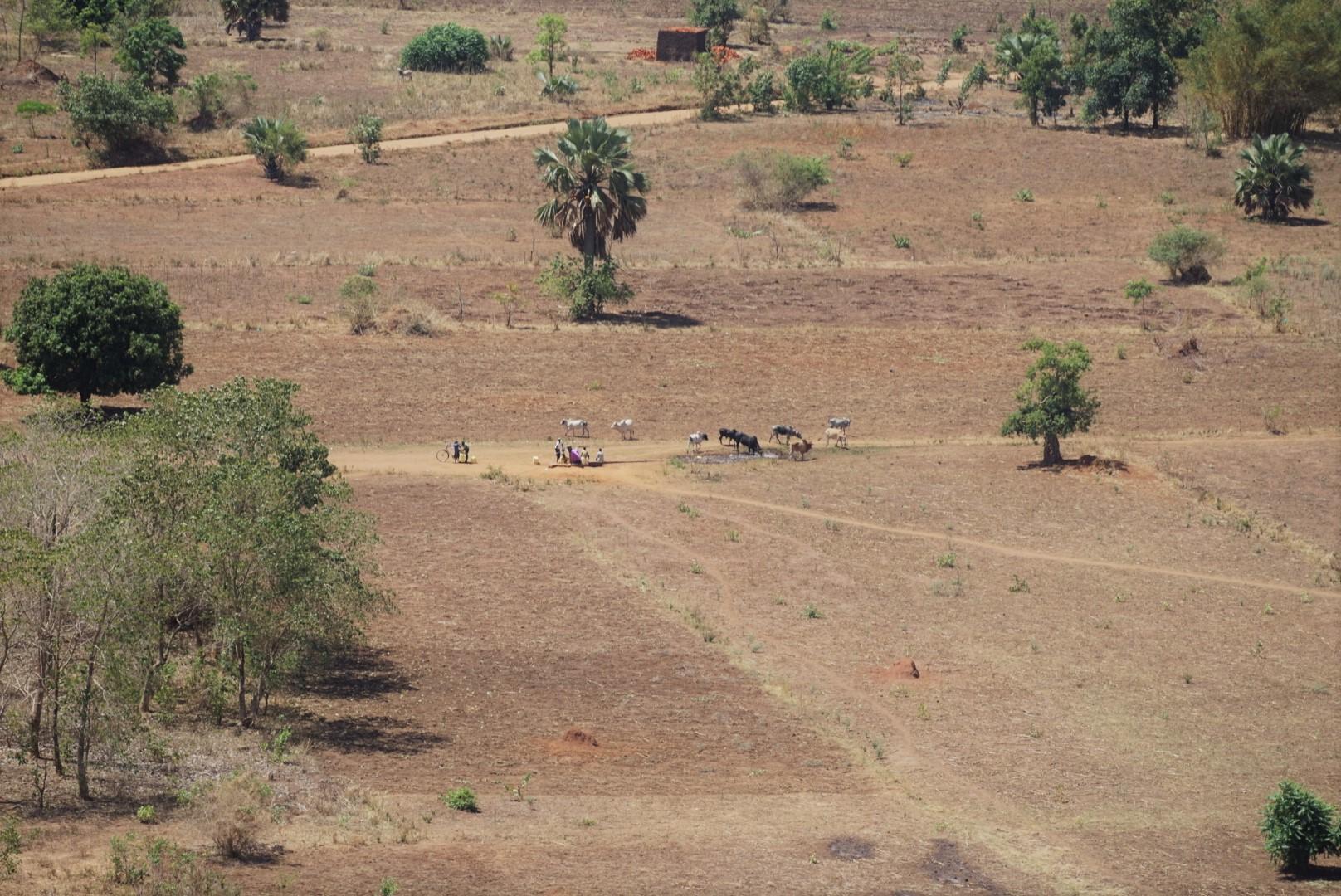
“In Belgium, farmers are trapped in an economic system in which they are too dependent on the agro-industry. A system that forces them to keep scaling up, to produce more and more, often at prices that are too low. In Uganda, you see a different kind of dependency: on rainfall, on limited access to markets, on poor infrastructure. But the core issue is the same: small-scale farmers struggle to make a dignified living from their work. They keep going, because there’s little alternative.”
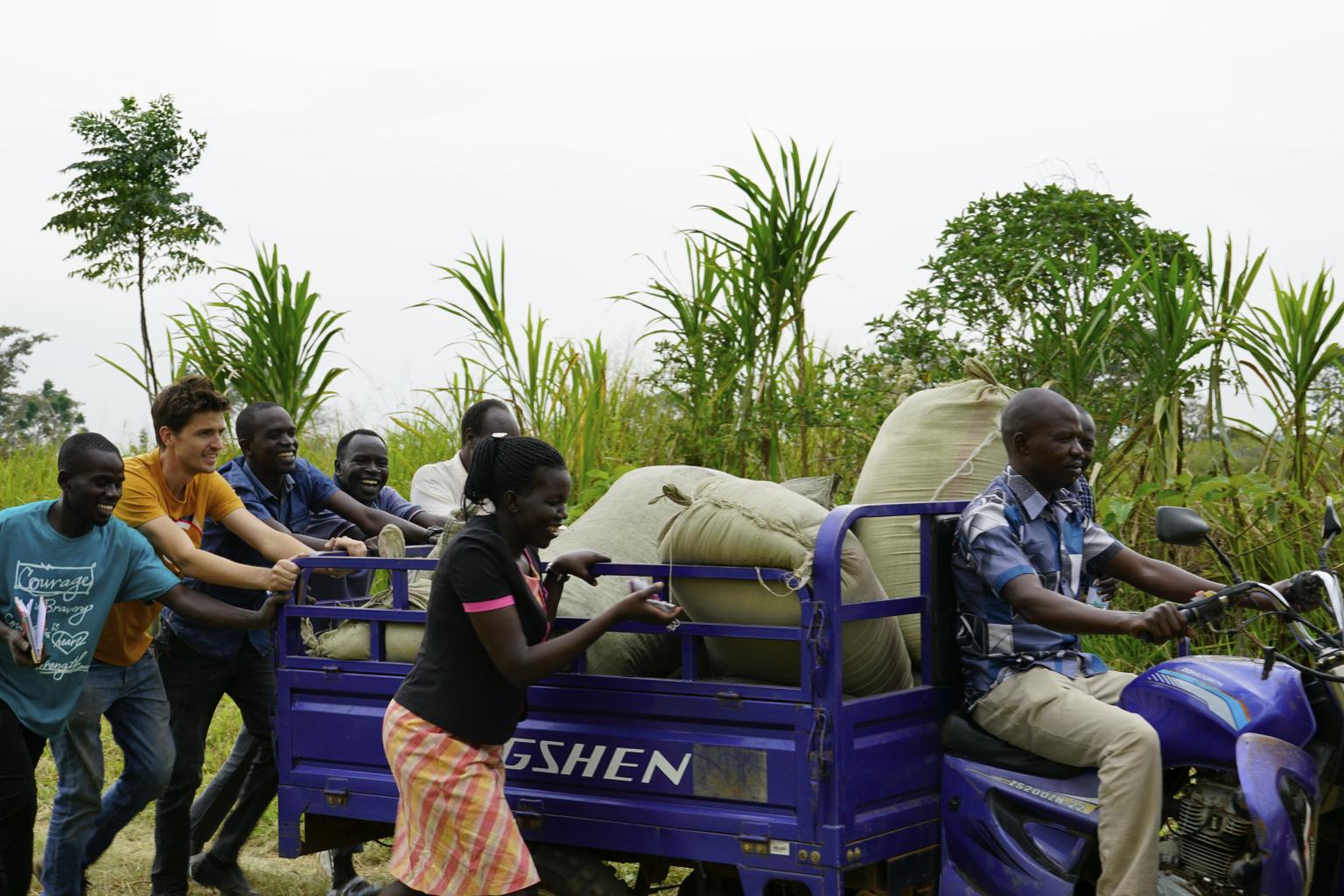
Not just a job, but also a family life
From the moment he arrived in Lira, Bram felt at ease there: “In terms of demographics, you could compare the city to Ghent. And in terms of social dynamics, it doesn’t feel very different from Vosselaar, where I grew up. People still know one another, there is a lot of social interaction, and you can’t really live anonymously.”
Soon after arriving in Lira, Bram already got a taste of this: “I was looking for the market and asked a passer-by for directions. He immediately said, ‘I’ll show you, just follow me.’” For 20 minutes, the man walked with Bram until they reached the market. “I found that incredibly kind—that someone would walk for 20 minutes with a complete stranger to a place they themselves didn’t need to go.”
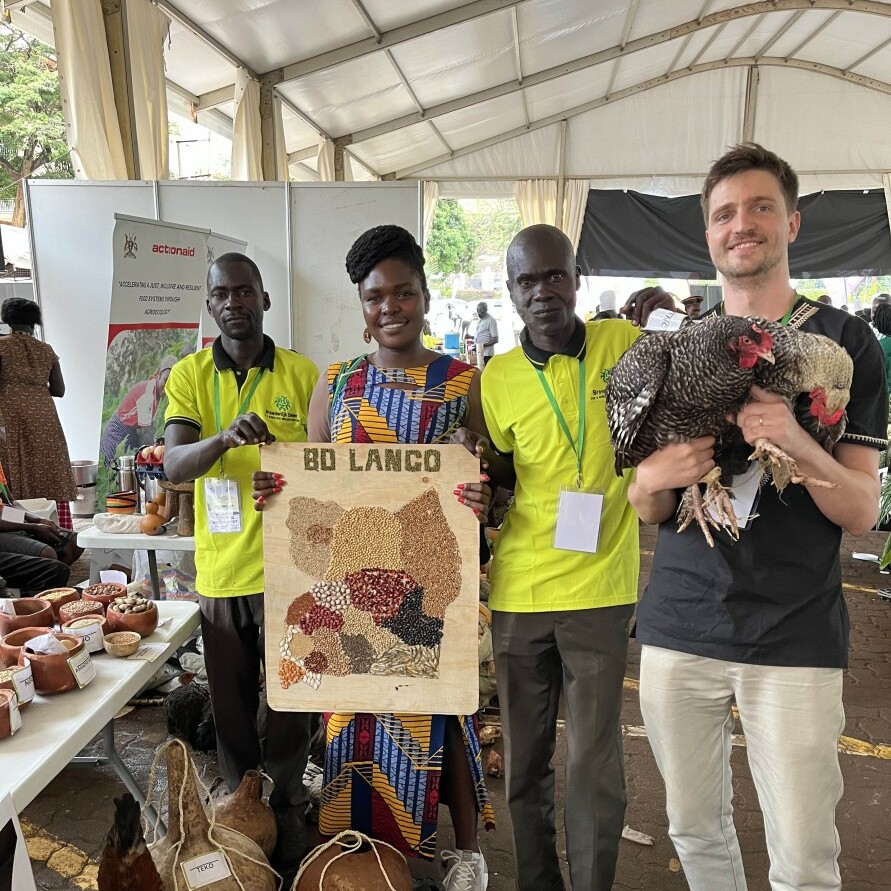
There was a small community of international staff in Lira, but because of the city’s small scale, Bram built close relationships with his Ugandan colleagues. “You get drawn into the social fabric: invitations to weddings, funerals, birthdays. That’s part of it, and it really makes you feel like a member of the community.”
That social rootedness grew even stronger when he met his future wife, Stella, during the Nyege Nyege festival in Jinja. They now have three children together. “That was, of course, a turning point in my life. I didn’t come to Uganda only as a professional; I also built a family here.”
Gender dynamics and unintended effects
Another important lesson Bram learned along the way concerns how well-intentioned programmes can sometimes have unforeseen negative consequences.
“For many years, NGOs have mainly focused on empowering women—including Broederlijk Delen, by the way. And rightly so: women often carry the heaviest burdens, both in the household and in the fields. Research also shows that women are more likely than men to reinvest the money they earn in their families. But the goal should never be to undermine families.”
He describes situations in which men felt excluded when only their wives received training and support. They felt left out. “This led to tensions, and sometimes even to increased violence within the household. That obviously doesn’t help women either.”
Broederlijk Delen now approaches this differently in Uganda, by working with the household as a whole. “We work with couples who jointly develop a plan for their household and their farm. This way, men and women see each other as partners rather than rivals. It works much better.”
From Junior Expert to Country Representative
When Bram’s contract as a Junior Expert came to an end, he continued working for a few more months as an Agroecology Adviser. Just as that contract was ending, the COVID-19 pandemic broke out. “I had to think carefully about what the next step could be, because we really wanted to stay in Uganda as a family.” After a brief detour as an entrepreneur and researcher, Bram applied for the position of Country Representative at Broederlijk Delen.
He got the job, which immediately brought a major shift in responsibilities: no longer following up on one theme or region, but coordinating the entire programme in Uganda. “Suddenly, you’re no longer just dealing with agriculture or communicating with Ugandan farming organisations, but with everything: from budgets to human resources, from government relations to contacts with the embassy.”
He describes the role as that of a bridge-builder: “What does an indicator or a logframe mean to someone who is simply trying to produce enough food? And conversely, how do you tell a farmer’s story in such a way that a policymaker is willing to listen?”
Building a future in Uganda
After eight years in Uganda, Bram feels deeply connected to the Ugandan reality. “I’m no longer an outsider who just comes to take a look. At the same time, I remain aware that I will always also be Belgian, with my own frame of reference. That dual position can be challenging, but it is also a great asset.”
His children are growing up with a dual frame of reference as well—Ugandan and Belgian. “It’s a richness that my children are growing up in two cultures. They speak several languages, they feel at home here, and from a young age they learn that the world is diverse.”
He concludes with a sober yet hopeful perspective: “International cooperation doesn’t change the world overnight. But by working patiently, by building relationships, by strengthening families, you really can make a difference. That’s what I learned in Lira, and it continues to drive me every day.”