News
17 April 2026
Innovation and creativity, far more than an original idea

In international cooperation, creativity is often associated with technological innovation or so‑called “disruptive” solutions. At Enabel, it takes a different form: a deliberately collective approach, firmly rooted in demand-driven support and local context.
Creating sustainable impact means moving beyond established frameworks, testing new approaches and embracing uncertainty. Creativity reveals itself in the ability to ask the right questions, bring together diverse profiles and challenge the status quo.
This understanding shapes the way the Enabel Innovation Hub supports its 23 social innovators through financed from 1 Belgium programme and 3 EU-funded programmes. Digify Africa illustrates this well. At first glance, their idea is simple: using WhatsApp to deliver microlearning modules to teachers so they can earn the training credits required each year.

Yet Digify’s creativity lies less in the tool than in questioning conventional professional development models, often time‑consuming, in‑person and poorly adapted to teachers’ daily realities. Crucially, the team went one step further by asking whether convenience alone leads to real learning and behavioural change. By testing this assumption, they challenged practices that are rarely questioned in traditional training systems.
Creativity also works at a collective and systemic level. When KU Leuven and ABALOBI looked at scaling the ABALOBI Monitor to Tanzania, the focus quickly shifted from copying a tool to rethinking how it could work in a new context.
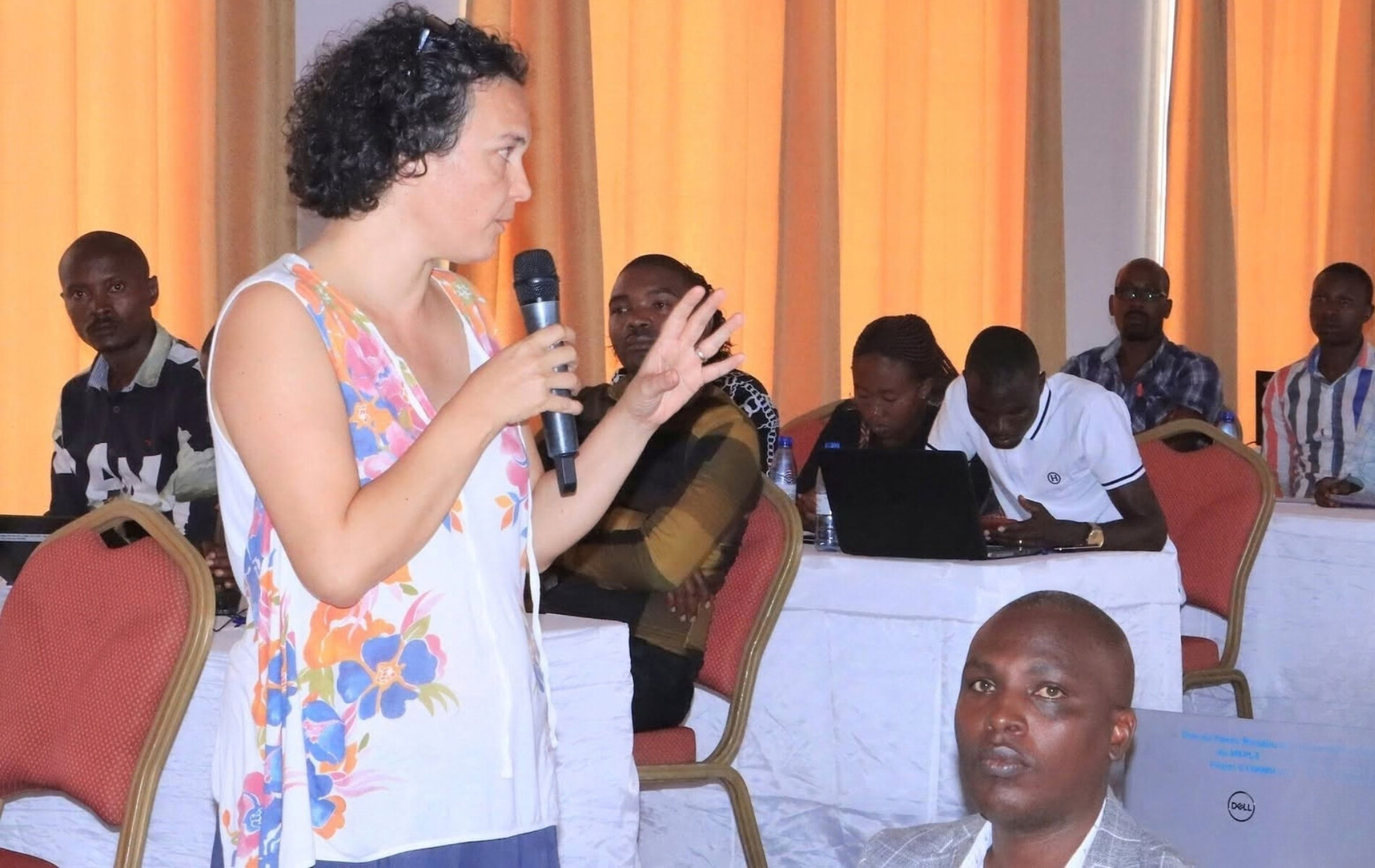
ABALOBI Monitor is a mobile- and web-based platform that allows small-scale fishers and their partners to collect, own, visualise and use fisheries landing data. To adapt it meaningfully, the Innovation Hub brought together a diverse group of actors, from the Ministry of Livestock and Fisheries to civil society organisations.
By creating space for honest discussions around ambitions, constraints and tensions, the group moved from debate to action. A shared plan emerged, built on mutual adjustments. Here, creativity was not about technology, but about the process itself: aligning realities to turn a promising tool into a viable pathway for impact.
Creativity emerges from collaboration
Partnerships form another key pillar of the Innovation Hub’s approach. By working with internal experts, consultants and external organisations, the Innovation Hub creates spaces where ideas are challenged, enriched and transformed. These collaborations are not about applying standardised solutions but about co‑creating responses adapted to local contexts through dialogue between expertise, disciplines and field realities.
The partnership between Handicap International and Peak Nine on the OpenTeleRehab project illustrates this dynamic. OpenTeleRehab is an open-source platform expanding access to rehabilitation services. It connects healthcare providers, rehabilitation professionals, healthcare workers and service users to strengthen continuity of care across the rehabilitation pathway and support universal health coverage.
By combining Handicap International’s field experience in physical rehabilitation with Peak Nine’s expertise in impact innovation, the partners moved beyond a “pilot‑phase” mindset. Together, they co‑created a 12‑month strategic roadmap and a five‑year financial model grounded in field research and scenario planning. This process narrowed hundreds of initial ideas down to a few viable, evidence‑based business models, ensuring OpenTeleRehab can remain affordable and operational even as donor funding declines. Creativity here served a clear purpose: securing long‑term access to quality care beyond funding cycles.
Scaling ideas into sustainable solutions
Turning local initiatives into structural change requires organisational, strategic and partnership‑driven creativity, where the Innovation Hub plays a catalytic role by connecting ideas, actors and opportunities.
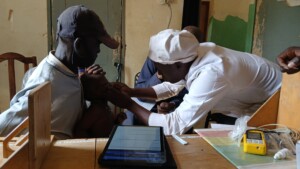
The AleDia project, supported by the Innovation Hub, illustrates this ambition. AleDia is a mobile application and digital health solution developed by Terre des Hommes in Mali to improve paediatric diagnosis. It helps healthcare staff to follow strict protocols for the management of malnutrition and childhood illnesses, reducing medical errors and strengthening women’s autonomy. Integrated into the national five-year plan, AleDia is recognised by the Ministry of Health as a key digital health solution. By delivering tangible results at district level, the project demonstrates a clear pathway towards its integration into public sector programmes.
In conclusion, the creativity embraced by the Innovation Hub is reflected in different ways of working: more collaborative, more firmly grounded in field realities, and focused on measurable and sustainable impact. By linking social innovation, robust business models and strategic partnerships, Enabel does more than nurture promising ideas : it supports their transformation into resilient solutions able to grow, adapt and make a tangible difference over time. This is how creativity becomes a driver of change, rooted in the long term and serving impact.