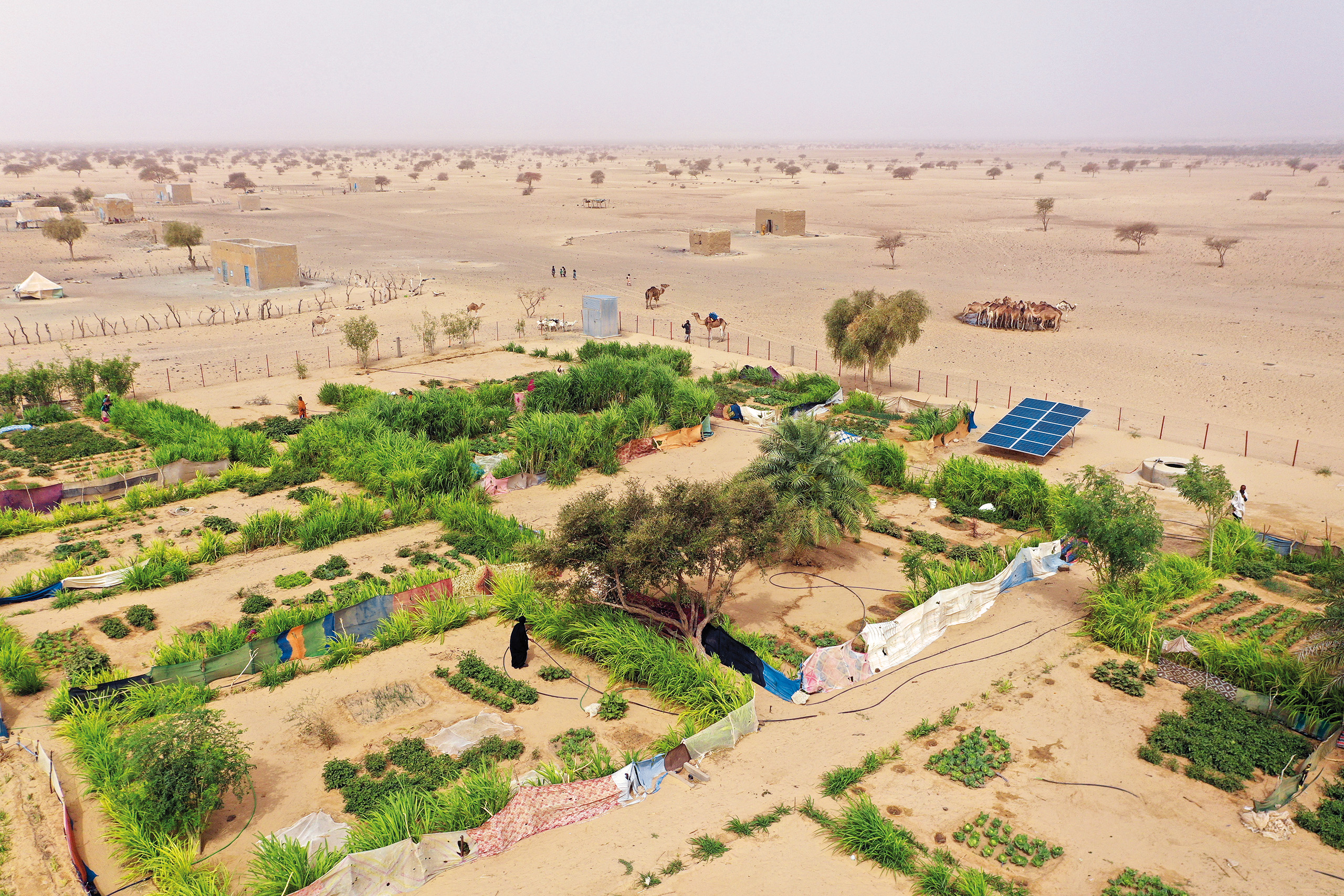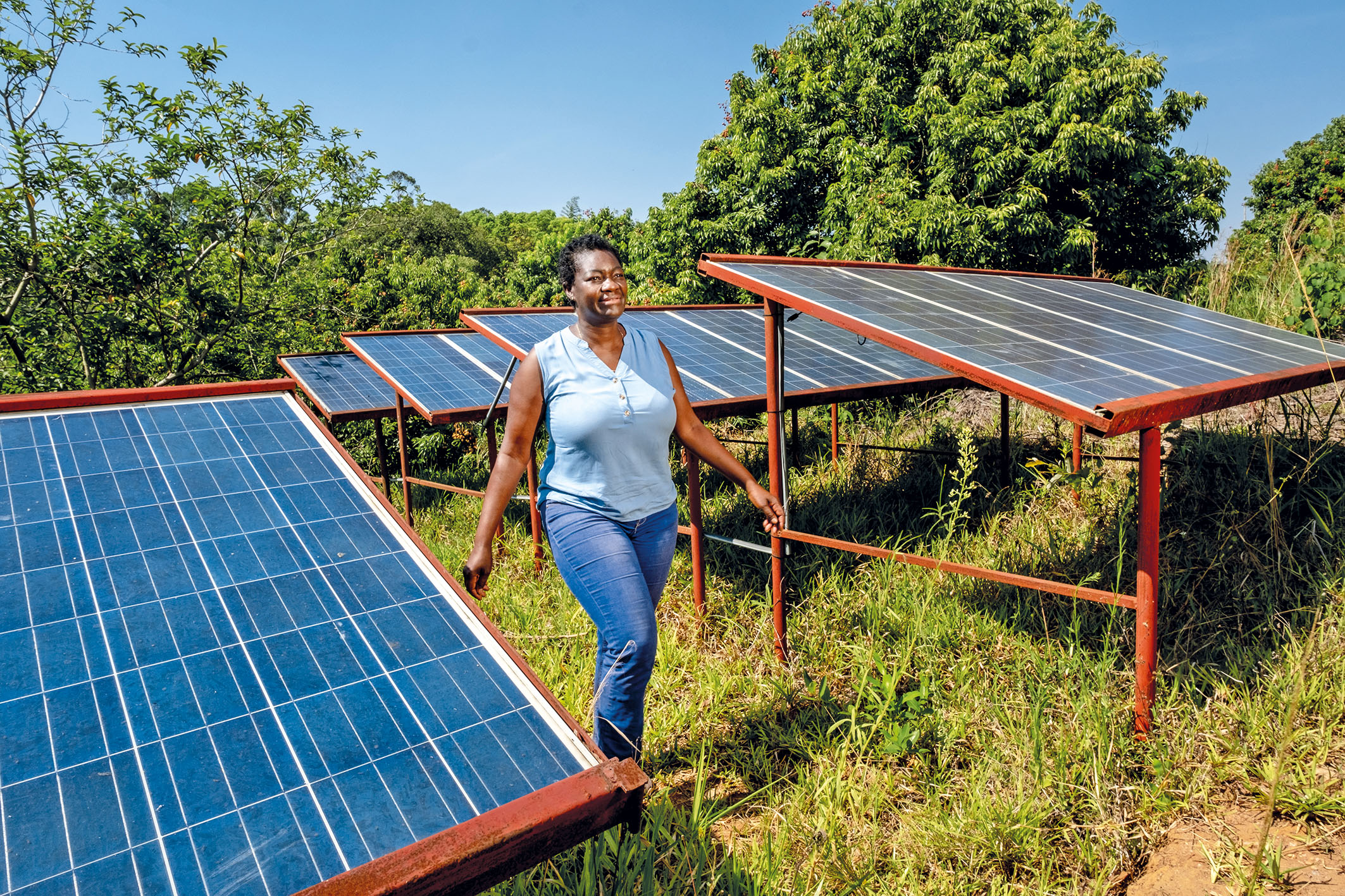
In many countries, access to energy remains a major challenge, with direct consequences for health services, education and economic development. In Africa, this challenge takes on an additional critical social dimension: 600 million people have no access to electricity, and nearly a billion still use polluting fuels (firewood, charcoal) for cooking.
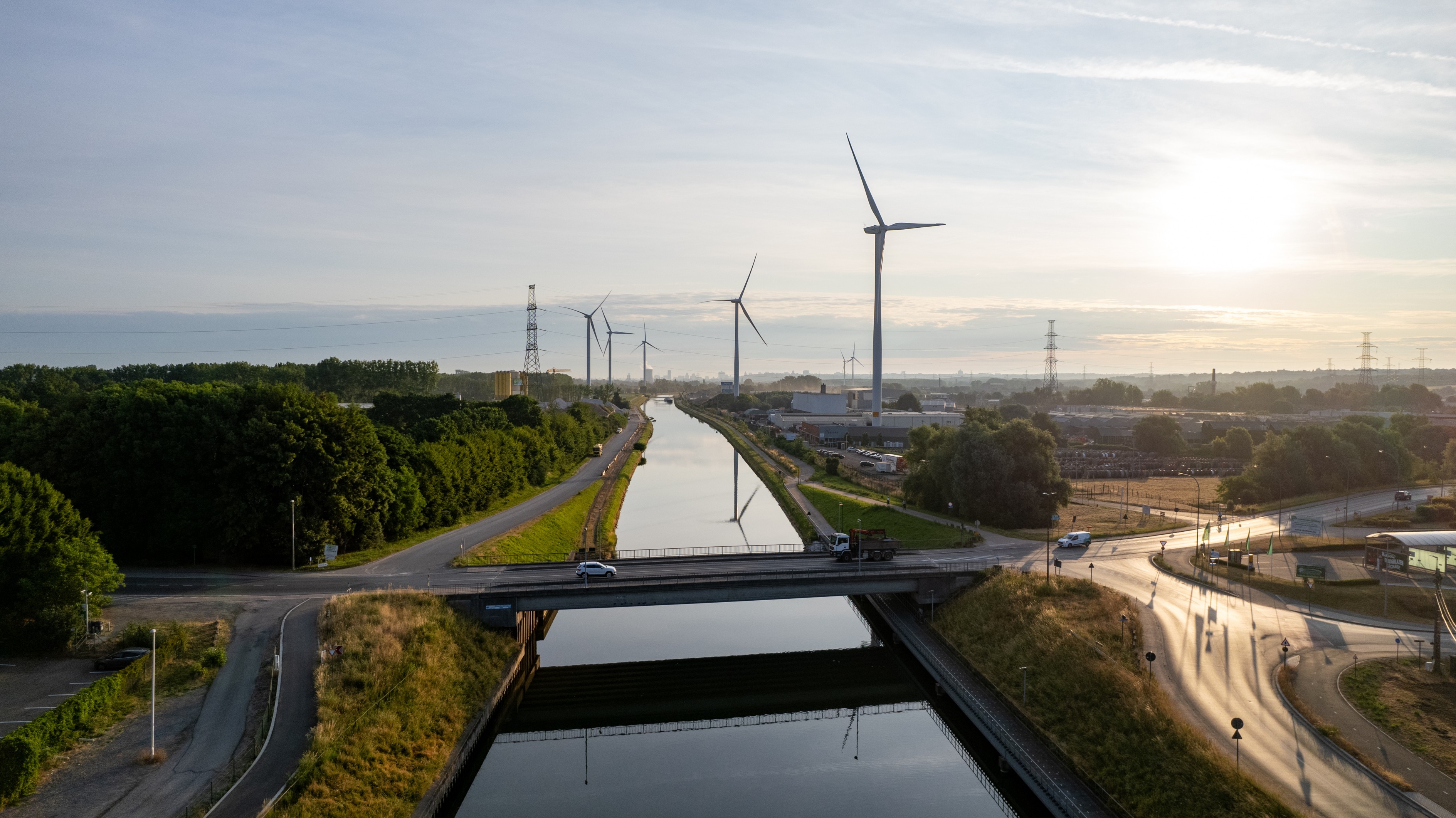
As energy demand is on the rise and inequity persists, a just energy transition is key to addressing climate, social and economic challenges simultaneously. It aims to reconcile decarbonisation, universal access to energy and inclusive economic development, whilst ensuring that no country or population is left behind.
It also represents a major opportunity for economic diversification and low-carbon industrialisation, contributing to climate resilience and the creation of green jobs.