News
22 December 2025
AleDia in Mali: When digital innovation becomes a lever for women’s autonomy and children’s health
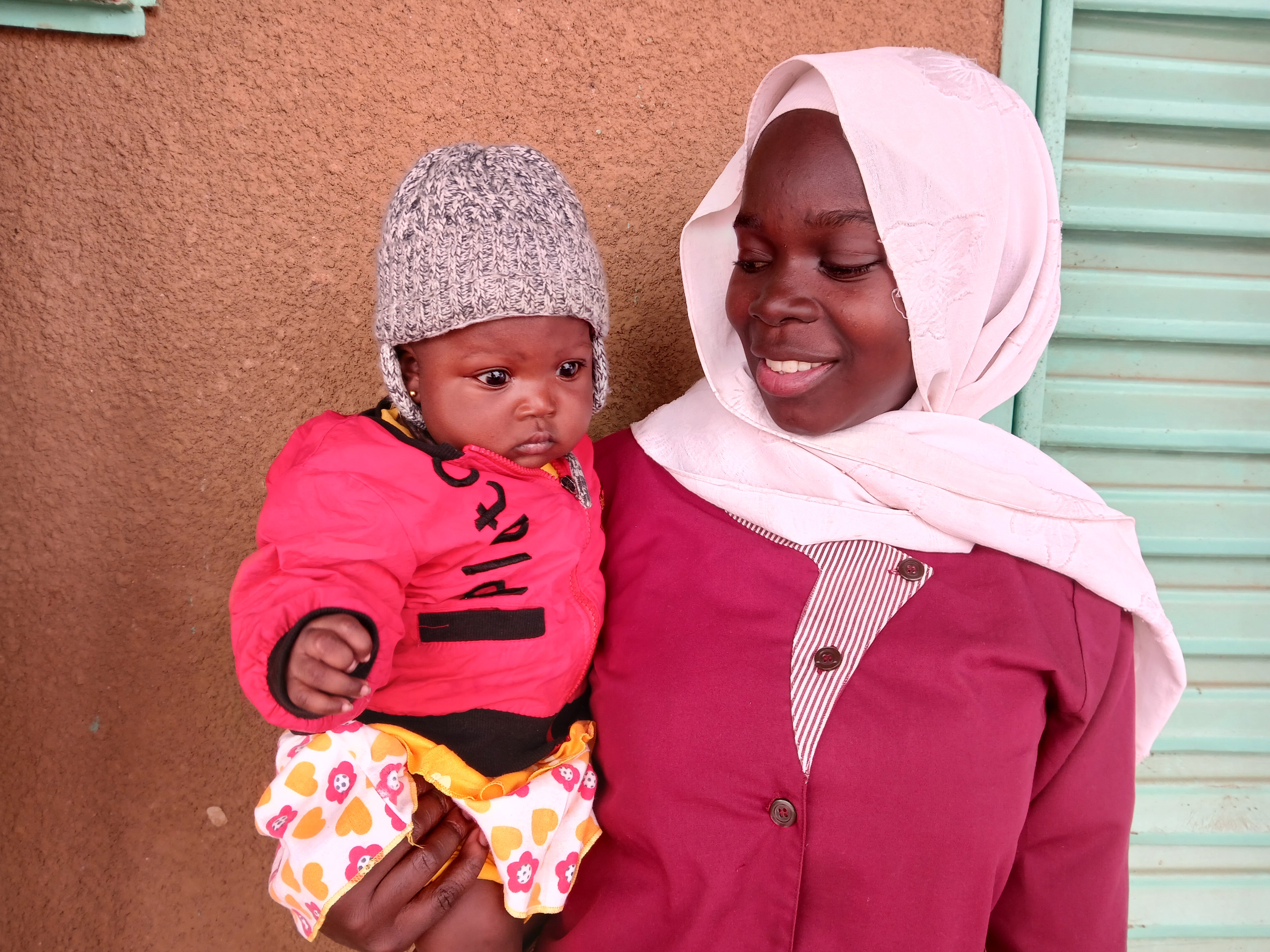
Imagine a health centre in Mali. A child arrives at the Kokry centre showing signs of pneumonia. Unfortunately, an inadequately trained volunteer diagnoses simple malaria and administers an inappropriate treatment. The child’s condition does not improve. During a re-evaluation, an algorithm identifies severe pneumonia, enabling the health worker to correct the initial error. Thanks to this correction, the child finally receives the right treatment and recovers, as confirmed by the parents.
Behind this reality lies AleDia, a digital social innovation that improves care and follow-up in certain health centres. This solution helps to make accurate diagnoses and ensure appropriate treatment, thereby reducing the risks linked to medical errors. Faced with the persistent challenges of malnutrition and child mortality, Terre des Hommes has developed AleDia: a Clinical Decision Support Algorithm (CDSA) installed on tablets. With support from Belgium through the Wehubit 2.0 programme, Terre des Hommes aims to replicate this solution in other districts, notably in Markala, Mali.
Gender as a strategic pillar
Because children’s health also depends on women’s autonomy, AleDia integrates gender as a strategic pillar. In Malian communities, women are primarily responsible for children’s health, yet they face obstacles: lack of information, limited decision-making power, and social constraints. In response, the AleDia project decided to act on three fronts:
- Empowering mothers so they better understand care and actively participate in their child’s medical follow-up.
- Strengthening female health workers through tailored training translated into local languages. They also receive support to overcome barriers linked to their status or level of education.
- Engaging men through awareness sessions on positive parenting to promote shared responsibilities within families.
Kadidiatou: A story of renewed autonomy
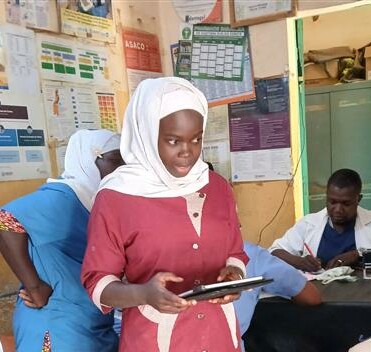
Before AleDia, it was difficult to follow up on a child during consultations. Without archiving, accessing records was impossible if the Technical Director wasn’t there. Today, thanks to the tablet, I can consult alone, follow the protocol, prescribe without hesitation. I feel autonomous and efficient. When I see children return healthy, I feel valued.
AleDia has also transformed relationships with families: “At first, mothers thought we were playing with the tablet. Now, they ask us to use it. This has strengthened trust and increased attendance at the centre.”
Towards real equality
Kadidiatou insists: “Women must be counted and recognised as important. They need access to training and real responsibilities. Everything men can do, women should be able to do too. We have the capabilities, provided we are trusted.”
Her testimony highlights a major issue: in the Markala district, only two women manage a centre out of twenty. Among the eight structures covered by AleDia, just one woman holds this role.
Innovation for lasting change
For Dramane, AleDia Project Manager : “Innovation only makes sense if it benefits everyone. By integrating gender, AleDia doesn’t just save lives; it reduces inequalities and strengthens women’s autonomy.”
AleDia proves that by combining technology and equality, we can build a future where every child has access to quality care and every woman has a recognised role.
© Pictures copyright: Terre des Hommes