News
19 February 2026
“Choosing the Junior Programme means choosing the unknown”
Interview with Apolline Majerus – Junior Expert in Guinea with Trias
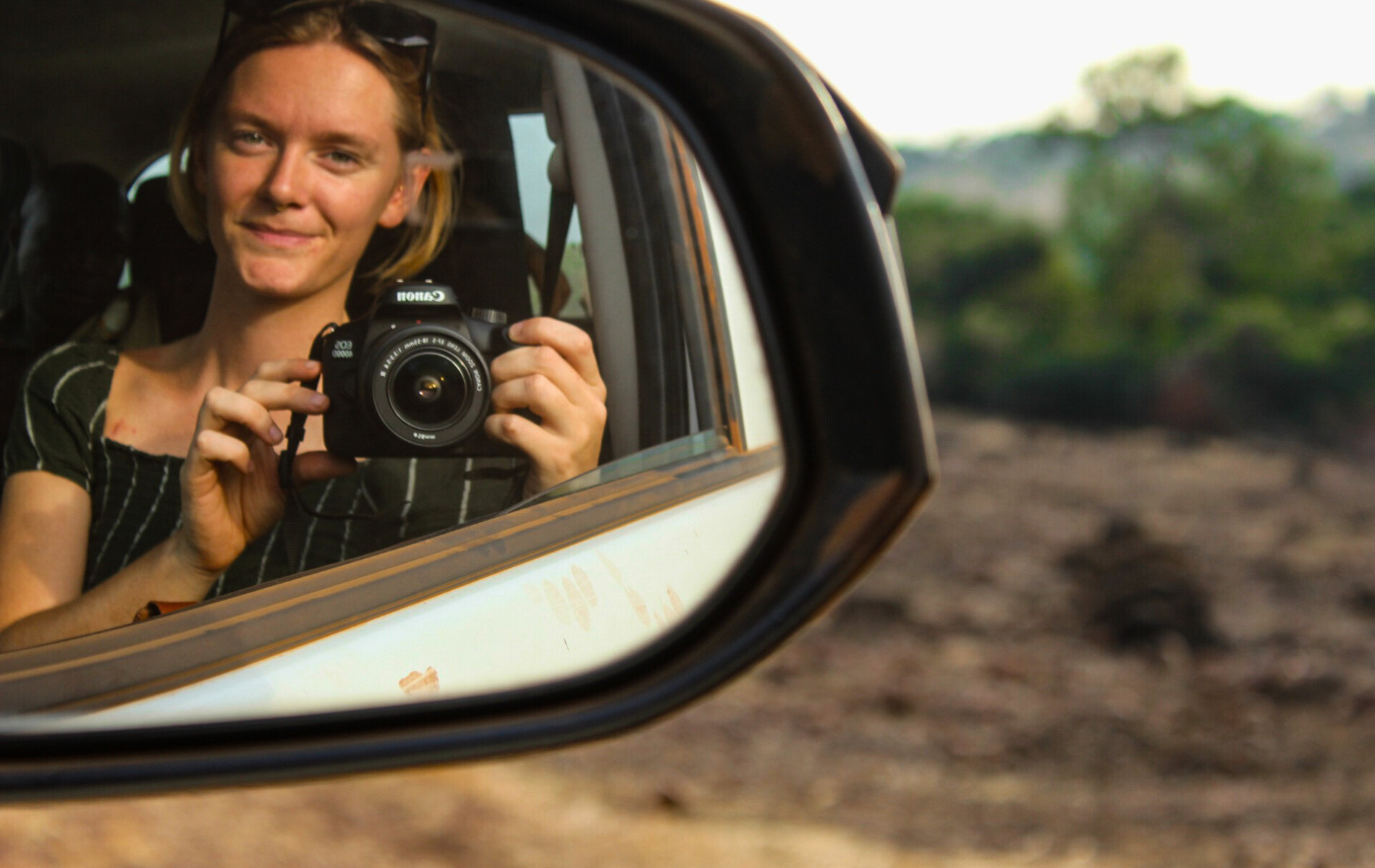
Apolline has been working as a Communication Officer for Trias in Guinea since October 2024. She studied journalism and political science with a focus on international relations, and after several internships, the job through the Junior Programme became her first real work experience. “I had never had a contract before, but I had done internships in various places. The Junior Programme was a golden opportunity that I wanted to seize with both hands.”
For Apolline, employment through the Junior Programme was exactly what she was looking for: “I wanted to gain work experience abroad in the field of communication, preferably in West Africa, but I knew little about Guinea itself. When I found out that I would be living and working in Kindia, a secondary city with around 150,000 inhabitants, but with far fewer activities than I am used to in Belgium and where few expats live, I found it quite exciting to leave. Because I wanted to commit for two years, it was really a leap into the unknown.”
Upon arrival in Guinea, Apolline lands in the busy and chaotic capital Conakry in the evening. After a few intense days of getting started with a whole series of appointments and meetings with Enabel and the Belgian embassy, she travelled on to Kindia. ‘That was a relief, the town is surrounded by green hills, a completely different atmosphere from Conakry.’
And although the green surroundings had a calming effect on Apolline, it still took some getting used to her new environment. “The city’s infrastructure is not ideal, you have to completely adapt your shopping list to what is available locally, and I soon realised that I would be spending quite a lot of time on my own. But luckily, I have my Trias colleagues who helped me get started”, she laughs.
“They showed me the market, explained how things work here and let me get familiarised with my new living environment. They also invited me to their parties, weddings and outings. That’s how I met other people. So I quickly learned to make my own plans and be self-reliant in my new environment.”
A new social network
Initially, it was quite a challenge to break out of her isolation and be one of the few white people in the city, but Apolline now recognizes it as an added value: “I was forced to step out of my comfort zone and had no choice but to approach my neighbours. This led me to discover that interactions are very spontaneous here; everyone greets each other on the street and you strike up conversations with your neighbours much more easily, which is quite different from Brussels, for example, where I studied.”
However, as a young white woman, you don’t go unnoticed. That can be challenging at times, but I came to understand the greetings are well-intentioned, and you get used to it,” she smiles. Apolline gives the example of the market women who offer her free pieces of fruit “for the white person who lives here”. For her, this is a sign that she has been accepted into the community.
Step by step, she also meets other young people through work or in the neighbourhood, and friendships develop. “The social codes are different, so it certainly hasn’t been easy. But the friendliness is heart-warming and my evenings are filled with fun moments of togetherness, dancing and chatting.”
The people behind the projects
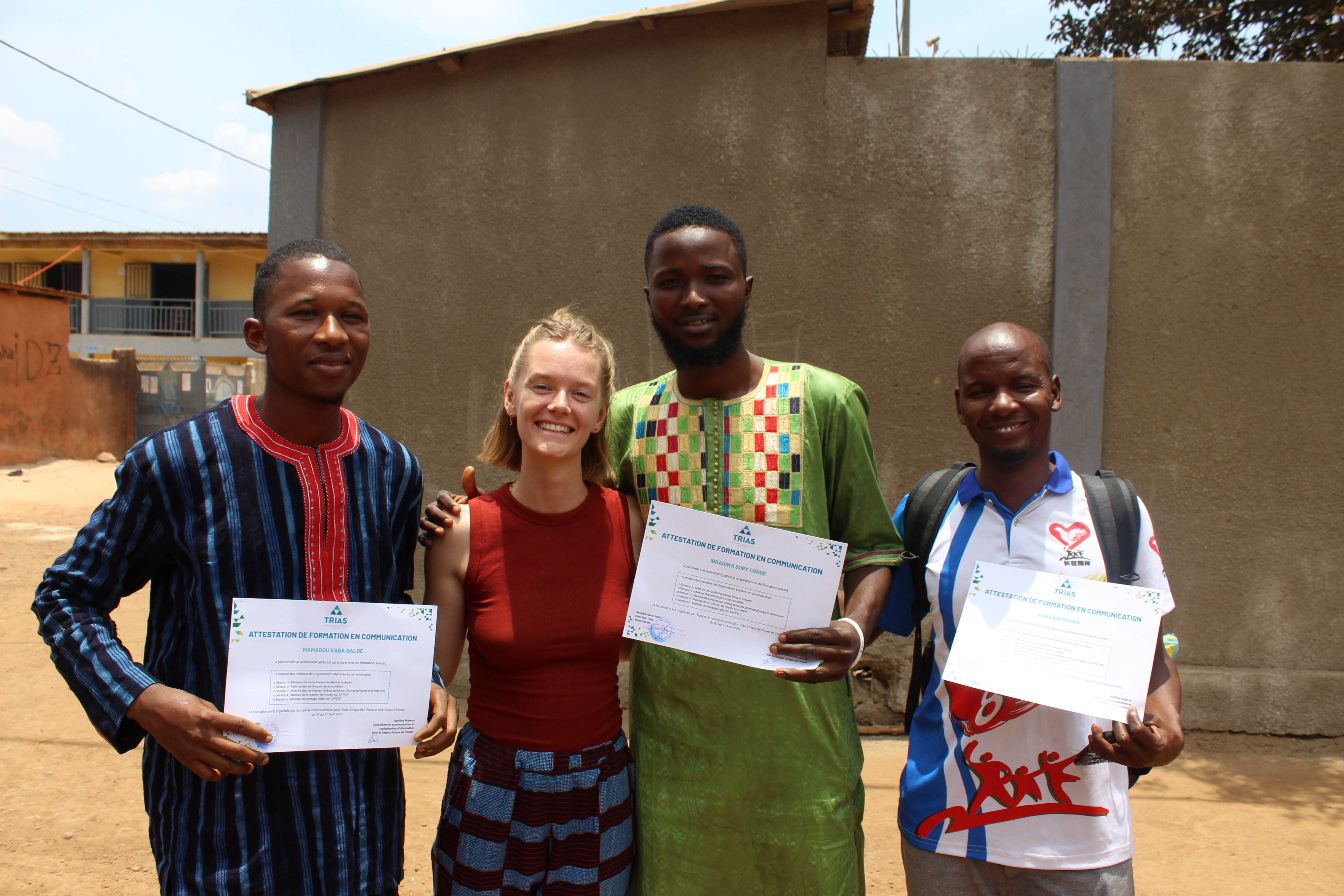
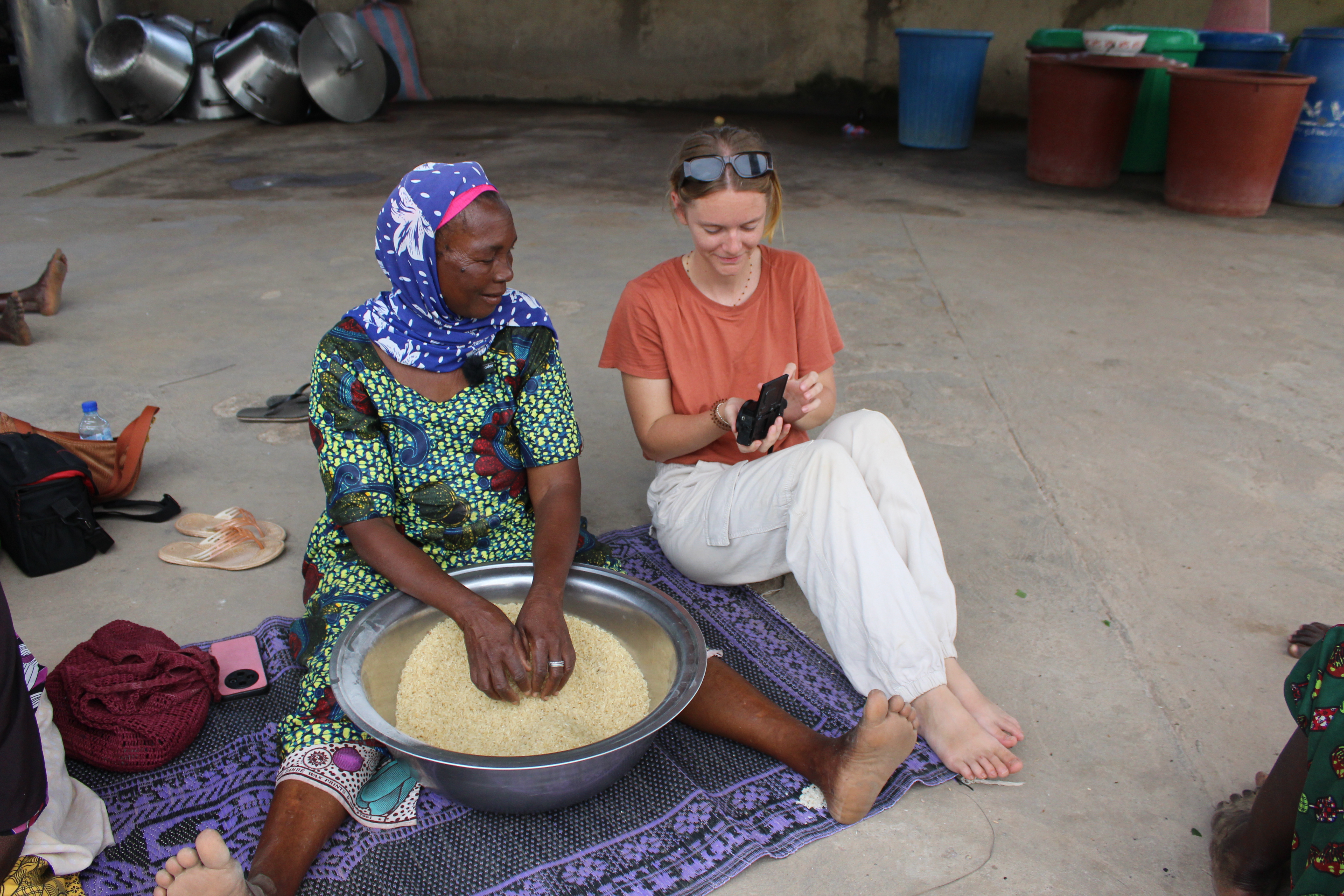
As communication officer at Trias, Apolline is responsible for developing a communications strategy for the NGO, with the aim of raising more awareness on the work of the ngo and its partners. “Because there weren’t so many tools in place yet, I got a lot of freedom to design the path to follow, make suggestions and try things. My goal is to shed light on the projects and results, develop visual material, conduct interviews and describe experiences.
This has allowed Apolline to travel extensively to various projects over the past year and meet women’s groups and agricultural cooperatives. “Going to visit our partners is what I enjoy most. I like those days when I talk to women’s groups that process agricultural products, or to young entrepreneurs who are setting up their own businesses. Behind all these projects are people with incredible life stories. My role is to amplify their voices.”
For Apolline, these trips and encounters are also a lesson in humility: “You arrive with your grand ideas, but when you see the reality, you quickly realise that you don’t have all the answers. You have to listen first before you make suggestions.”
The language challenge
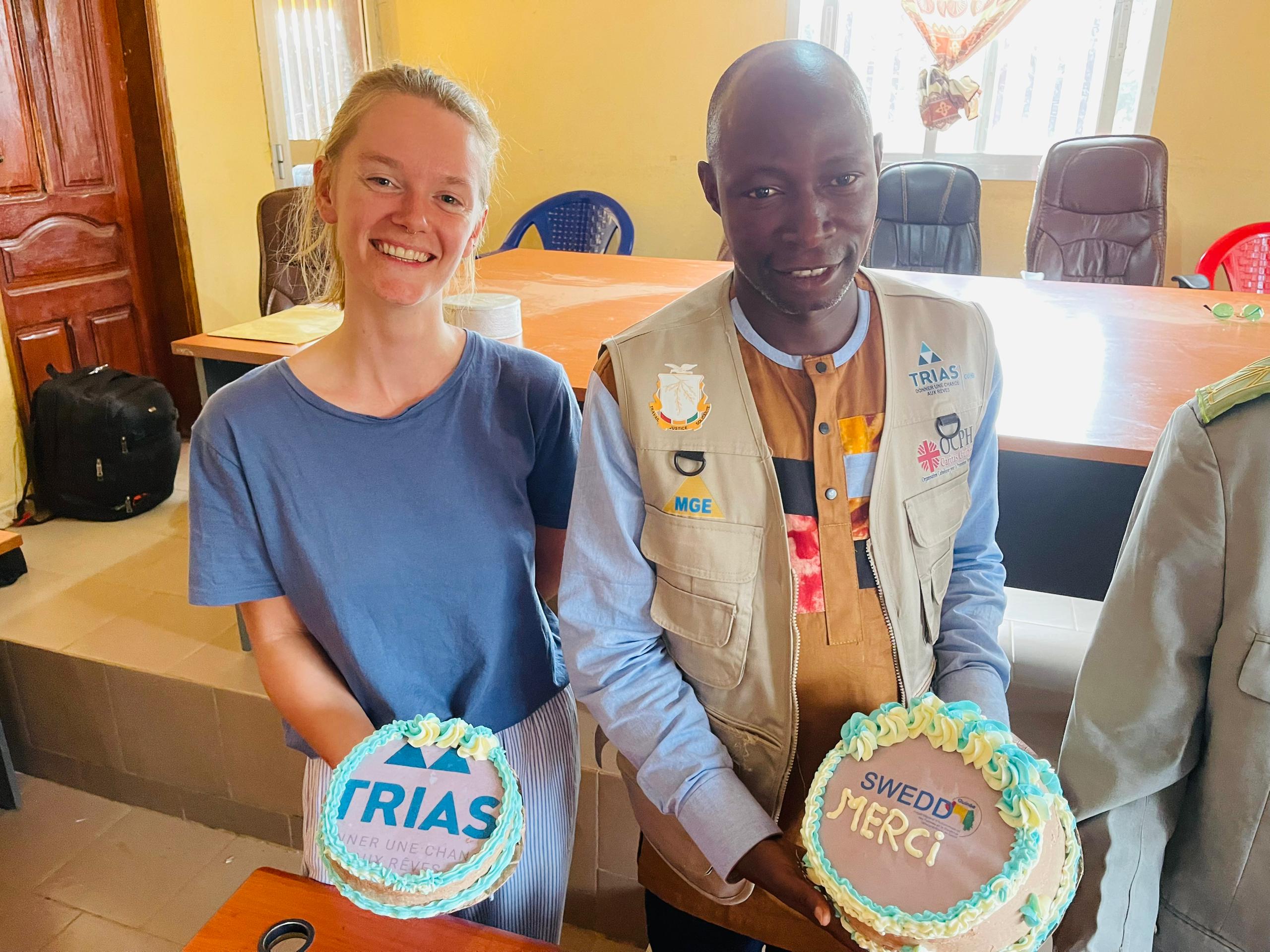
A major challenge for Apolline, is the country’s linguistic diversity. Although French is the official working language, it is not always the language that is best mastered in practice. “Many producers speak mainly Soussou, Pular or Malinké. I do not speak these languages, so I am very dependent on my colleagues to translate. I would ask a question in French, my colleague would translate, the person would give a long answer in Susu… and I would get a very concise translation back. I was always afraid I would miss important details.”
Over time, Apolline adapted, learned a few basic words and, above all, developed a listening attitude: “I understood that I had to take my time, let people speak in their own language, because it shows respect. You should also explain clearly to the translators what you want to do, so that they understand how to translate, and afterwards you must check that the translations are correct. It all ensures better and clearer information.”
Seeing things in a different light
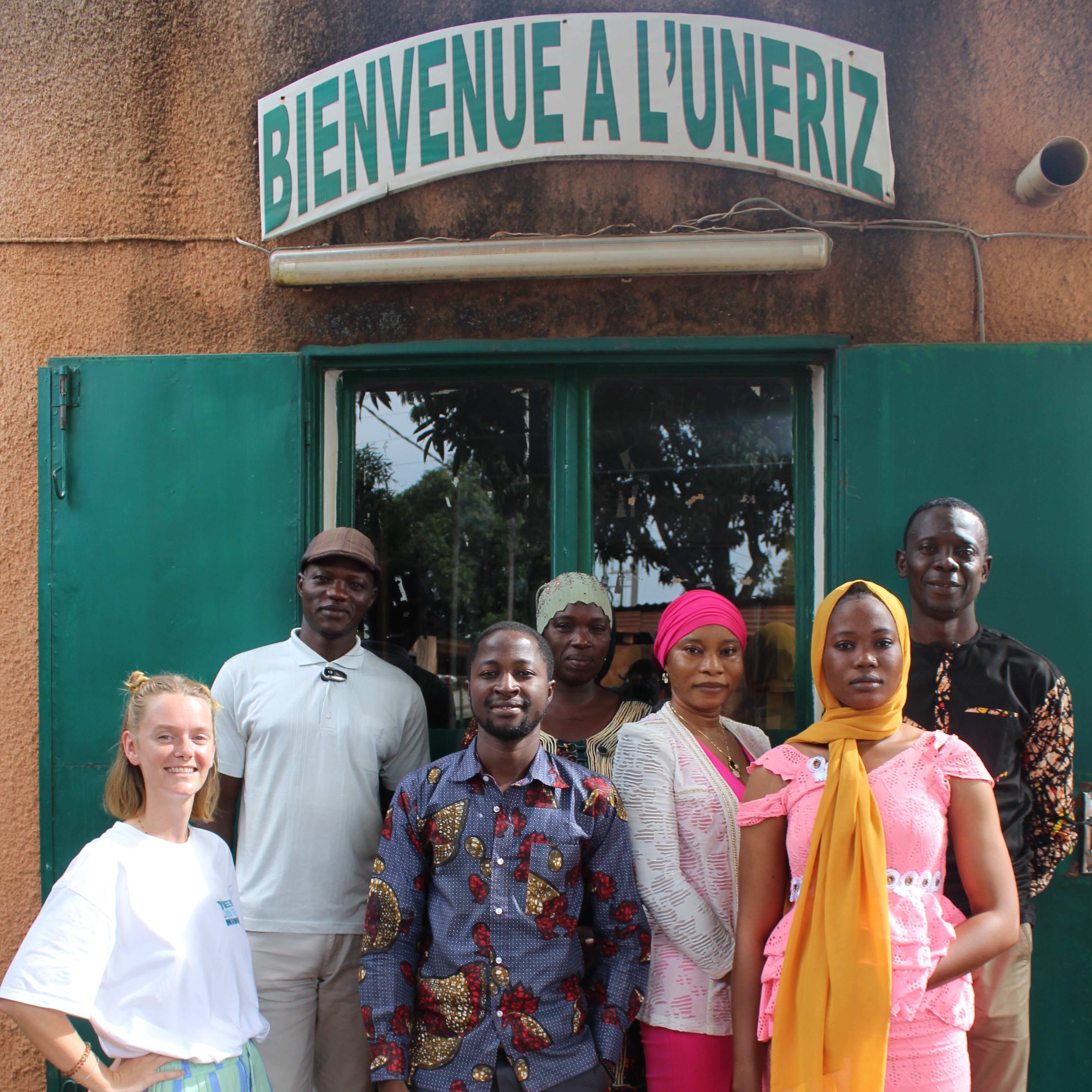
Apolline looks back on her time in Kindia very positively. “The rhythm of the day is determined by the electricity, which sometimes fails, or the water, which you have to go and fill up in bottles at the neighbours. These are things that can be difficult to deal with at first, but you get used to them. It teaches you to put things into perspective and to relativise.”
“What seemed like a major adjustment to me in the first few weeks, became normal after a few months. You no longer see things in the same way. The daily problems in Europe now sometimes seem futile to me. And you also feel more involved in what is happening elsewhere in the world.”
After just one year, Apolline feels changed, not only as a professional but also as a person. “I feel more open and tolerant, more patient and more aware of my privileges. Above all, I have come to understand that in international cooperation, it is not your CV or your ideas that matter most, but your ability to listen, to inspire trust and to work with others.”