Fishing in Mali: co-management to resolve conflicts
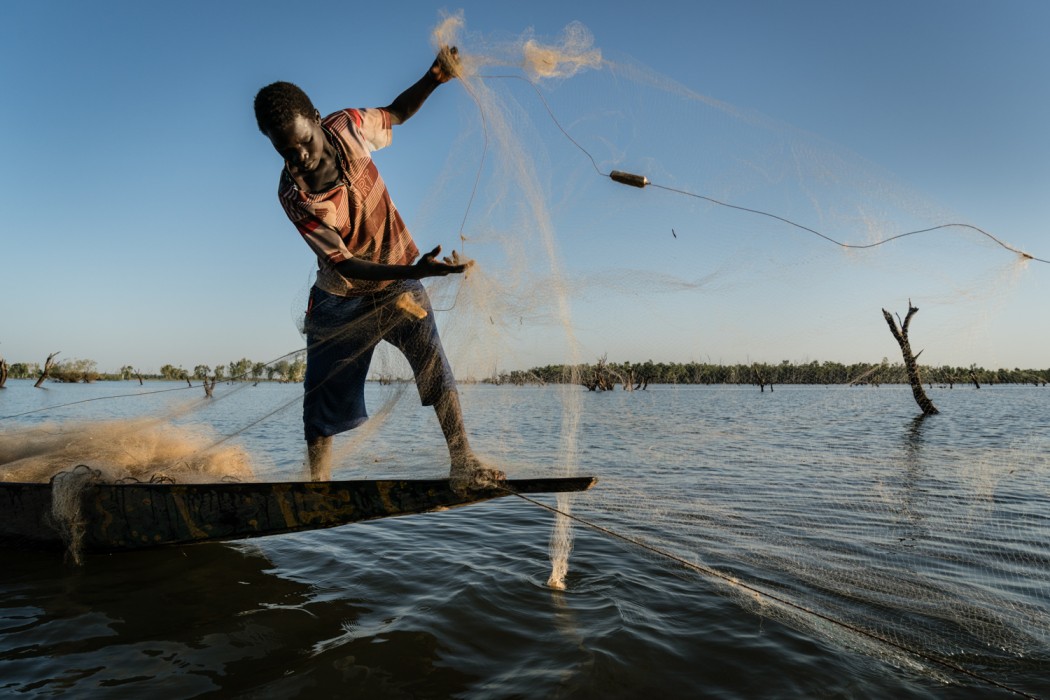
In Mali, fishing waters are often a cause of conflict. Who has the right to fish, when and how? Before, the State decreed the rules without necessarily taking local customs into account. Today, local stakeholders are involved in a co-management process and feel that their voice is better heard.
Here’s how co-management helps to put in place sustainable fishing practices, while resolving conflicts between people who fish and other water resource users.
The importance of the fishing sector in Mali
Even though Mali is a landlocked country, fishing is important for the country. Fishing is essentially a small-scale activity, carried out on all bodies of water: rivers, lakes and ponds. Fishing employs approximately 7% of the working population and is good for about 2.4 % of GDP.
Fish also plays a crucial role in food security, accounting for almost half of the animal protein consumed nationally.
A source of ongoing conflict
Unfortunately, fishing waters are often a cause of conflict. On the one hand, between several local families who claim customary ownership rights and therefore historical ownership of a fishing water, also known as a fishery; on the other hand, between (seasonal) migrants who fish and locals who fish. Long-time inhabitants who fish criticise other people who fish for their lack of respect of traditional fishing good practices, which prevent overfishing; they also criticise other users of the water, such as farmers, stockbreeders, etc.
Fisheries co-management as a solution
Enabel is supporting the government in implementing co-management of fisheries, through the Support project to the fish value chain in Mali. It aims to ensure the inclusive, peaceful and sustainable use of fish resources in Mali.
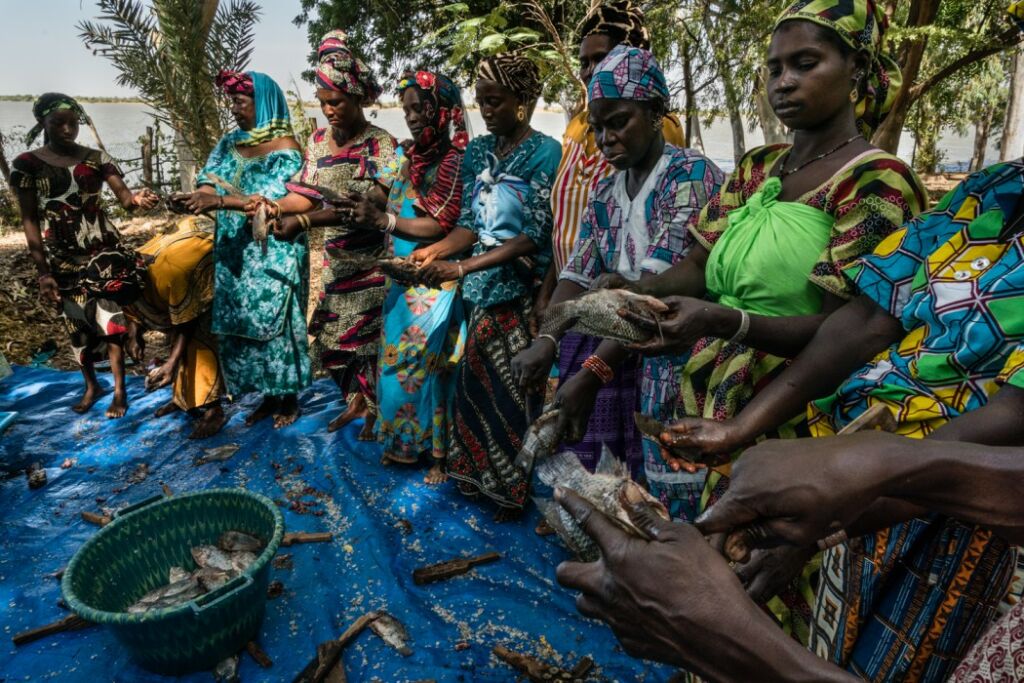
How? By recognising the role of local stakeholders in fisheries management. In the past, fishing was primarily centrally managed by the State. Today, local communities are invited to participate in decision-making. This is done through the Fisheries and Aquaculture Council, an advisory body.
Participatory management allows for responsibility to be shared between local players and the State. The aim is to take into account both the traditional knowledge and practices recognised by local residents and the modern management measures of the State to protect and restore biodiversity.
From now on, everyone – including migrants – must abide by the same rules when it comes to fishing:
- Respecting the ‘no-take’: a ban on fishing during a given period to allow fish to reproduce. It is based on a consensus within the village and is accompanied by surveillance of fisheries to prevent any fishing activity.
- Ban on fishing for protected species
- Use – or exclusion – of certain fishing methods or gear.
The introduction of clear rules, on which a consensus has been reached, avoids legal uncertainty and therefore strengthens compliance with these rules.
Macina: a lingering conflict finally resolved
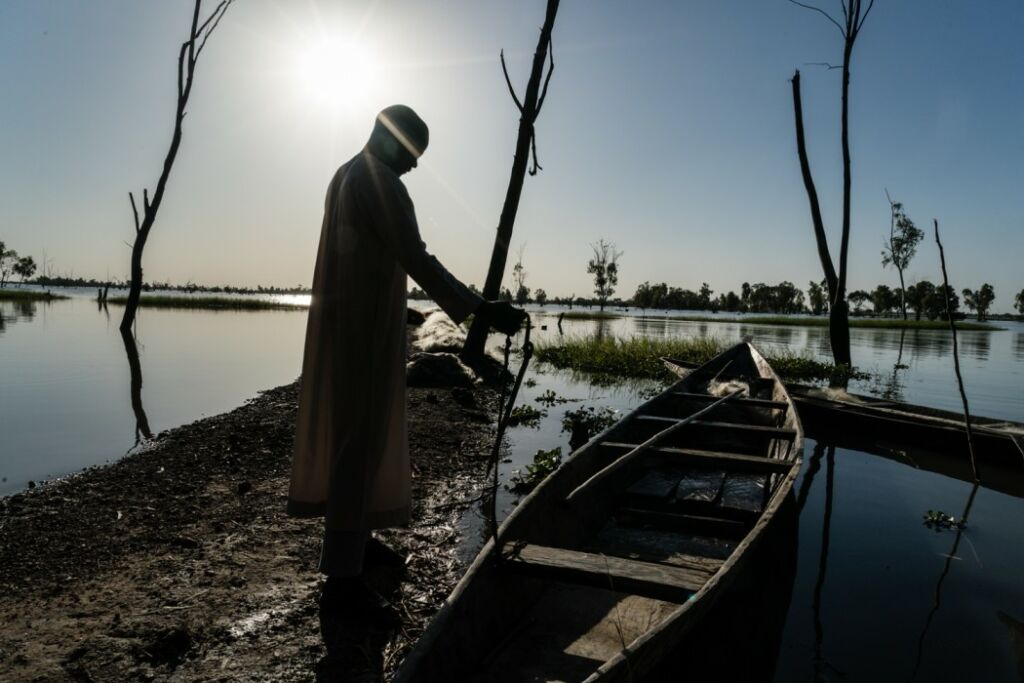
Co-management also helps resolve old community conflicts. Like this property dispute in the rural commune of Macina, located in the inland delta of the Niger River. Since colonial times, the villages of Touara, Miérou and Konkongourou have claimed ownership of the Faradialani fishery.
After several attempts to resolve the problem through the courts, the administrative authorities tried another approach: In Macina, they encouraged the parties in the dispute to resort to traditional and customary solutions, based on the sacred ties of kinship between the Dogon and the Bozo. Indeed, according to ancient tradition in Mali, these two ethnic groups are obliged to maintain good relations. The PAFHa project supported the organisation of the reconciliation ceremony. As a result, the two parties have signed an act of reconciliation marking the end of the conflict and they are now co-managing the fishery.
“This act of signature could serve as an example to be replicated in all the fisheries in conflict in all the villages of the commune, and even elsewhere. Because it demonstrates the strength of our traditions and cultural values in fisheries management.” Mourzouk YATTARA, mayor of the rural commune of Macina
By bringing together all the players involved in fishing, co-management has raised awareness. Communities have understood its potential for conflict prevention and management. Ultimately, co-management has strengthened social cohesion around fisheries.