News
22 January 2026
From Junior Expert to Country Representative: Samy’s journey with the Red Cross in Burundi
Interview with Samy Laarbaui (28) former Junior Expert in Burundi
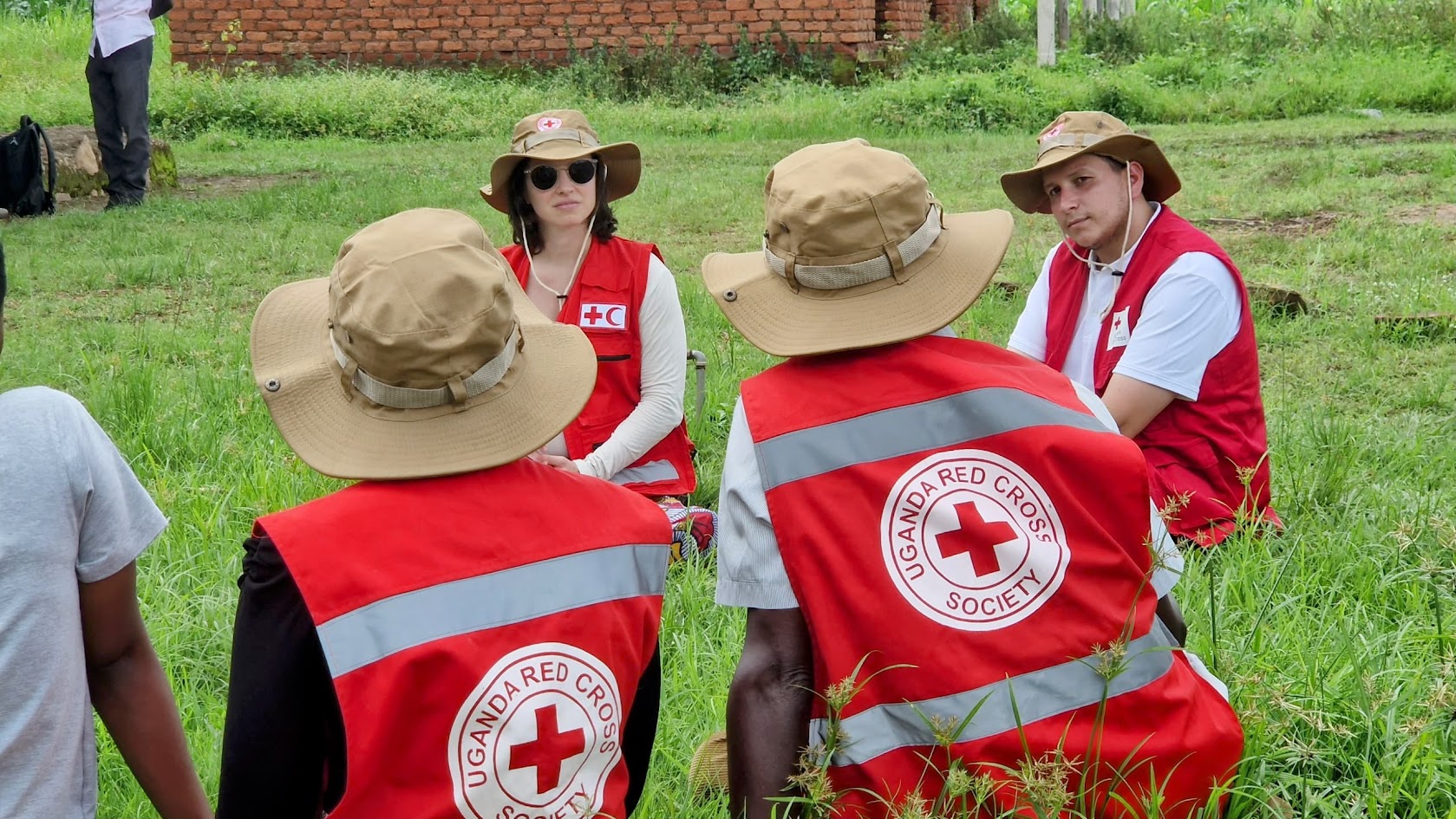
From strengthening disaster preparedness systems to rethinking how humanitarian organisations work with local partners, Samy’s work with Red Cross Flanders in Burundi is rooted in practical impact and learning on the ground. As a Disaster Preparedness Expert, he supports the Burundi Red Cross in building more effective crisis preparedness mechanisms.
That hands-on experience, gained through the Junior Programme, allowed him to grow rapidly in his role, both in terms of responsibility and confidence. What began as a post as a Junior Expert soon became a turning point in his career, enabling him to take on a country-level role at the age of just 28. Samy highlights, this wasn’t a goal as such, but more a natural continuation of the work he was already doing.
“I didn’t plan this kind of position at this young age,” Samy admits. “But the Junior Programme gave me the space to prove myself, to learn fast, and to take on real responsibility.”
Samy’s academic background reflects a long-standing interest in international relations and crisis management. He obtained a bachelor’s degree in law, followed by a master’s in international relations, before undertaking two specialised master’s degrees: one in European studies and another in crisis management. That last programme, in particular, left a lasting impression. “We weren’t just learning about concepts,” he recalls. “We were thrown into realistic crisis scenarios and asked to make decisions under pressure.”
Before leaving Belgium, Samy built a solid professional background in public service and crisis management. He worked on preparations for the Belgian Presidency of the Council of the European Union at the Federal Public Service for Social Security, contributing to policy files on mental health at work and the European Labour Authority. He later joined the Belgian National Crisis Centre, where he worked on international disaster risk reduction frameworks, including the UN Sendai Framework, a global agreement aimed at reducing disaster risk and losses.
While these roles gave him strong analytical and policy experience, Samy increasingly felt drawn to more hands-on, field-based work and to learning from crisis contexts beyond Europe. That motivation, along with the conviction that he would be able to learn so many new things about disaster preparedness, ultimately made him apply for the Junior Programme.
Choosing the job, getting to know Burundi
Although he had known about the Junior Programme for several years, he had never applied. “Every year, I found a reason not to,” he admits. When he came across a vacancy for Junior Disaster Preparedness Expert with Rode Kruis-Vlaanderen, everything aligned. “I told myself: if you don’t apply now, you never will.”
He applied for the role, not the destination. “I didn’t choose Burundi, I chose the function,” he explains. Yet once in Bujumbura, he quickly realised how well the country suited him. “It’s calm, green, and deeply human,” he says.
Compared to experiences in busier capitals, the rhythm of life in Burundi felt grounding. “When visiting Kampala, I felt overwhelmed,” he recalls. “Coming back to Bujumbura was like breathing again.”
Strengthening disaster preparedness: from assessment to action
As a Junior Disaster Preparedness Expert, Samy’s core mission was to support the Burundi Red Cross in strengthening its ability to respond to crises. His main project involved organising a large-scale self-assessment workshop based on 58 criteria covering logistics, governance, finance, coordination and operational readiness.
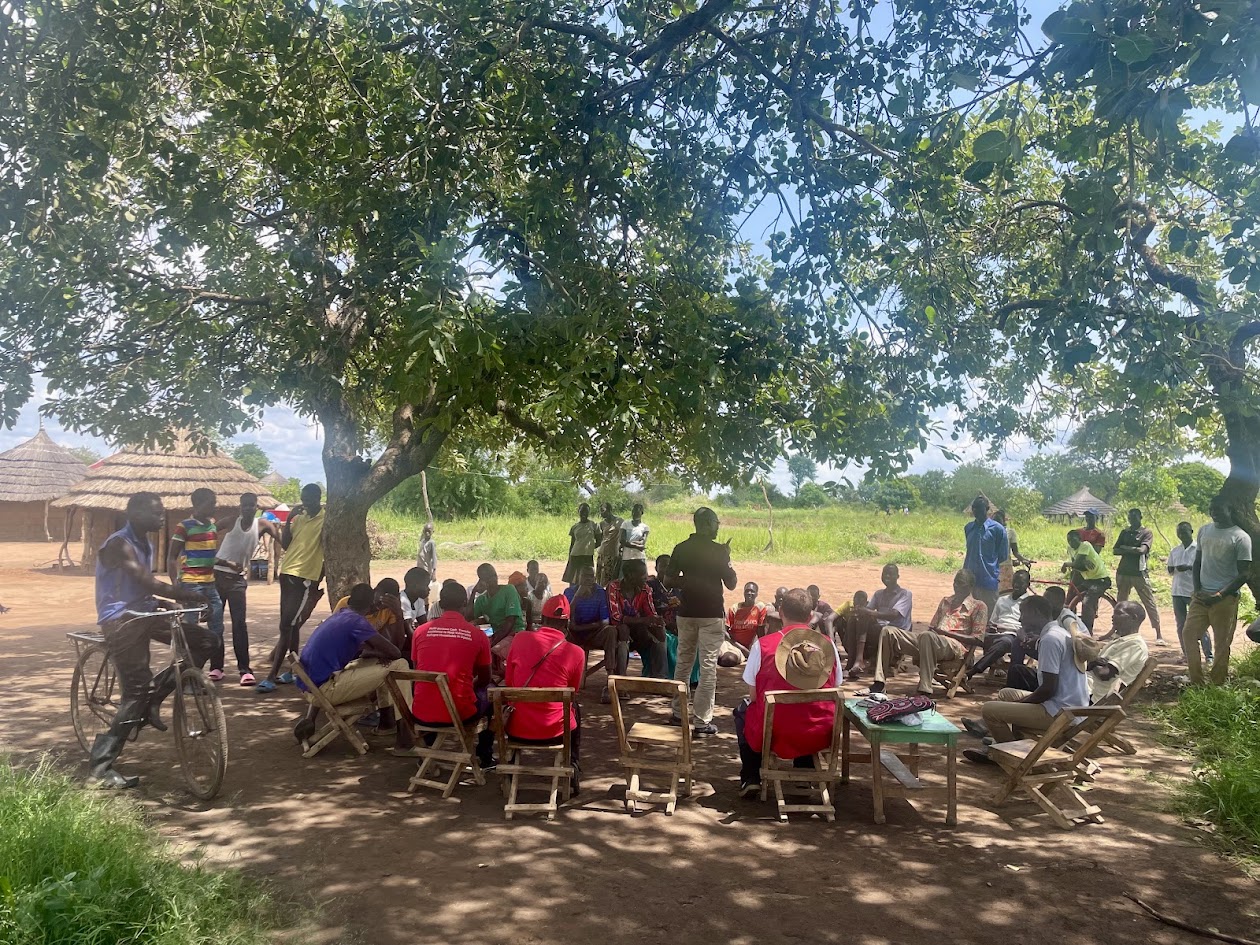
“The key point was that they assessed themselves,” Samy explains. “I was there to structure the process and facilitate discussions.” Over five days, the management team of the Burundian Red Cross openly debated their strengths and gaps, sometimes challenging long-standing practices.
The assessment led to a two-year action plan focusing on a limited number of priorities. One of the most concrete was the pre-positioning of emergency stocks across the country. Instead of centralising all resources in the capital, the plan aimed to store essential items in strategic regions.
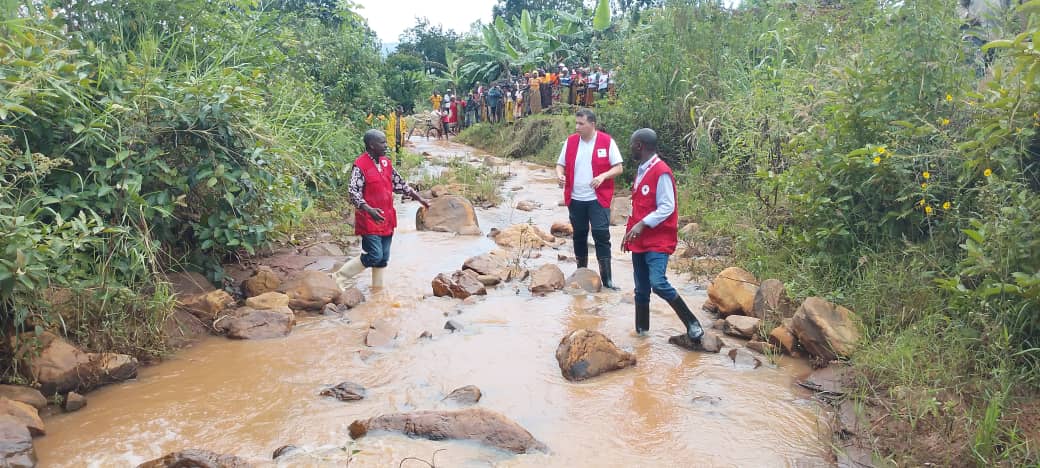
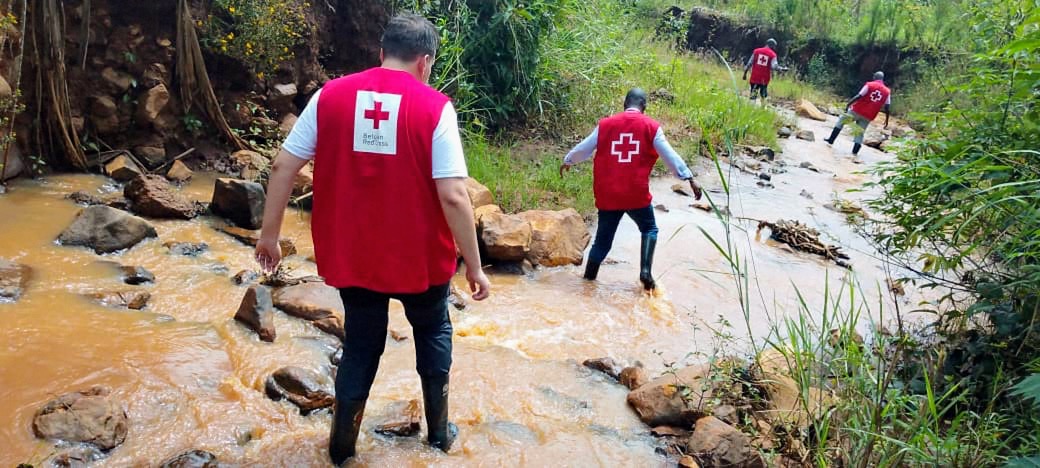
“This means having food supplies, tents, life jackets, loudspeakers or basic relief equipment already in the provinces,” Samy explains. “When floods or landslides happen, you don’t want to lose precious time transporting everything from Bujumbura.”
Another priority was the development of standard operating procedures (SOPs) for different crisis scenarios, such as floods or security incidents. “In an emergency, improvisation is risky,” he says. “You need to know in advance who does what, in which order, and with which partners.”
Learning to work differently: unlearning reflexes
One of Samy’s biggest learning curves had little to do with technical expertise and everything to do with working methods. Early on, he realised that his Belgian habits didn’t always translate well. “I used to send meeting invitations via Outlook and Teams,” he says. “On the day of the meeting, only few people would show up.”
At first, the situation was frustrating. “I felt like things weren’t moving forward,” he admits. Over time, he learned that communication in Burundi relies far more on WhatsApp, phone calls and face-to-face reminders. “Once I adapted, everything changed,” he says, “I also realised that I had one specific project to follow-up on, but our partners are handling many things at the same time, so it’s only logical that my priorities were not always theirs.”
Gradually, he has built a good working relation with colleagues of the Burundian Red Cross. “They were doing this work before I arrived,” he says. “And they’ll continue long after I leave.”
A concrete success: rethinking first aid outreach
One of the projects that stood out for Samy was supporting the rollout of an existing first aid mobile application. While the tool itself was already available, its initial uptake remained limited, prompting the team to rethink how it was promoted. “We realised that simply launching an app isn’t enough, especially in a context where not everyone has a smartphone,” Samy explains.
“The Burundi Red Cross has an exceptionally strong volunteer base, with 680,000 volunteers for a population of 14 million,” says Samy. Building on that strength, the team chose to work through youth clubs, which form a large and active part of the volunteer network. “On top of that, we also connected with universities, scouts and student associations,” explains Samy.
Together with these youth volunteers, they introduced tutorial videos and organised a national competition between youth clubs to promote first aid knowledge and use of the app. The initiative culminated in a vibrant final event in Bujumbura, with demonstrations, a jury and strong youth engagement. “Once we adapted the strategy, the response was incredible,” Samy says. The approach has since been scaled up nationwide.
An unexpected step up: embracing responsibility
After around nine months as a Junior Expert, Samy was faced with an unexpected opportunity: the Country Representative of Rode Kruis-Vlaanderen in Burundi announced her departure. Encouraged by colleagues, he decided to apply. “Even if I wasn’t selected, I wanted to show that I was motivated to continue,” he says.
After several interviews in English, French and Dutch, Samy was selected: “It’s a huge vote of confidence.” In his new role, Samy now oversees programmes, coordinates teams and represents the organisation at national level. He sees the Junior Programme as a true stepping stone. “People often ask for international experience, but if no one gives you that first chance, it’s impossible,” he says. And that is exactly what the Junior programme does.
Looking ahead, Samy remains focused on learning and humility. “Always listen before speaking,” he says. “That’s an important lesson Burundi has taught me.”