How can we finance our future?

While climate crises follow one another, the need to limit global warming to +1.5 degrees appears to be more pressing than ever. The recent conclusions of COP28 affirm the need to move away from fossil fuels and promote a sustainable energy transition.
The transition to renewable energy sources is not only a prerequisite for mitigating the effects of climate change. It would also make it possible to tackle other related global challenges, such as poverty and social inequality. A just climate transition is now a sine qua non condition for ensuring that our planet remains habitable. However, more than political goodwill, this requires a solid financial framework and innovative financing mechanisms of an unprecedented scale.
Debt swaps: a new lease of life for the climate
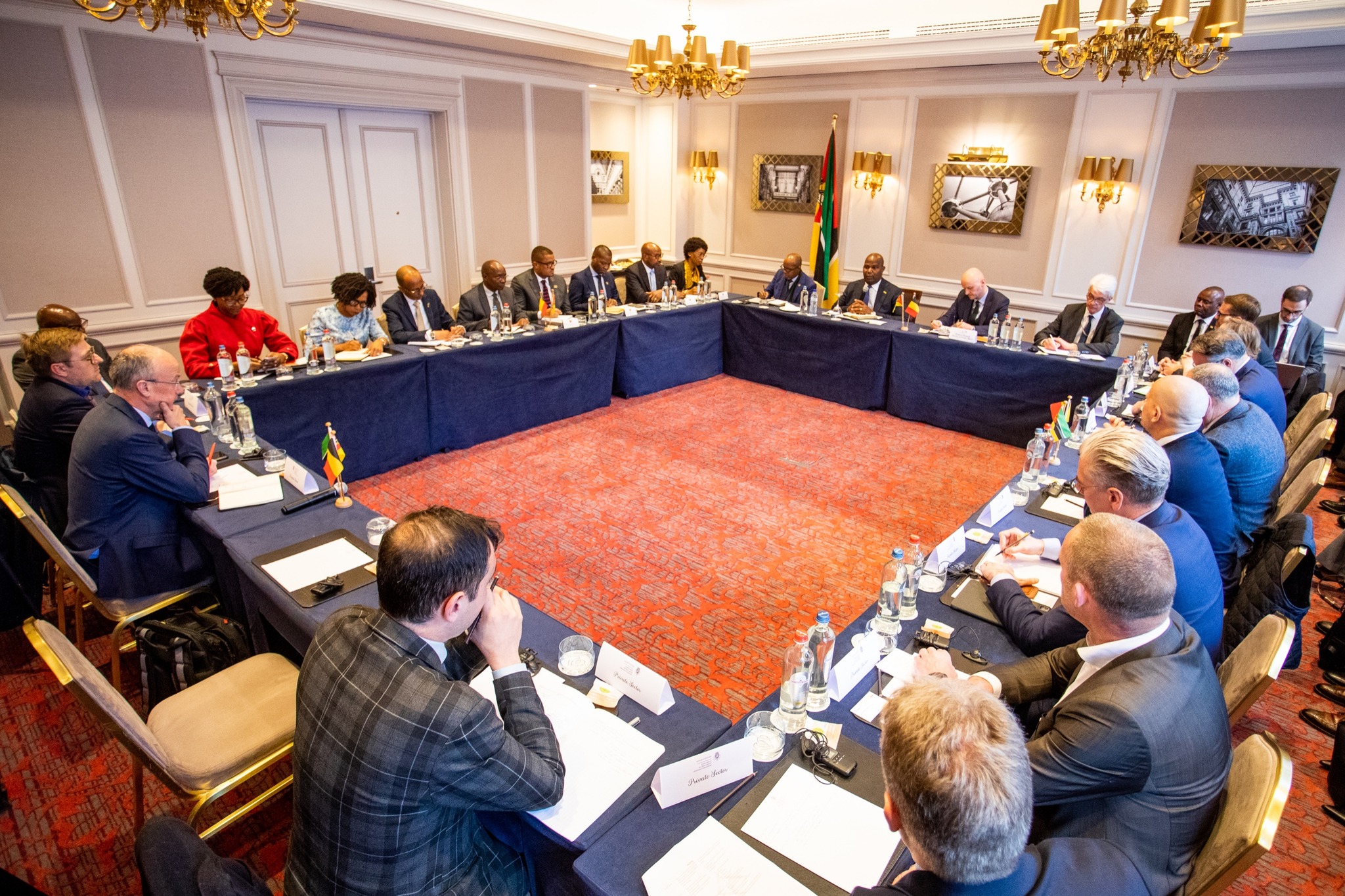
Among the new instruments are debt-for-climate swaps or the conversion of debt into climate change actions. This is one of the approaches chosen by Belgium to support Mozambique in its fight against climate change: Enabel facilitated negotiations between the two countries, leading to the cancellation of part of Mozambique’s sovereign debt to the Belgian state. This approximately EUR 2.4 million swap allows Mozambique to invest in projects that will enable local populations to better protect themselves from the adverse effects of climate change and to limit future damage.
For example, Enabel is working with the Mozambican authorities to set up early warning systems for cyclones in districts that have no such systems. Such systems are inexpensive and easy to set up and can considerably reduce the impact of a disaster by warning people of imminent danger. In addition, integrated land planning is another area for action: This makes it possible to understand the risks and potential associated with certain areas prone to natural disasters, to map them, and to optimise the location of certain infrastructures.
In short, the debt-for-climate swap is an innovative solution that kills two birds with one stone: on the one hand, it reduces debt, and on the other, it mobilises additional resources to combat the climate crisis.
The private sector at the heart of the climate transition
But while public funding is essential to strengthen climate resilience, the colossal scale of the investment required exceeds the capacity of state budgets alone: Official Development Assistance represents 0.49% of combined gross national income (GNI) of the Member States of the European Union, whereas the overall investment required for climate mitigation is estimated at 15% of GNI.
Private sector involvement is therefore imperative if we are to have the financial resources to meet the climate challenge.
In Palestine, Enabel is working closely with the private sector to promote a green and circular economy. Through the Green Palestine initiative in the West Bank, our teams are working with the Palestinian Stone and Marble Industry Union and the Palestinian Food & Agriculture Industries Union. In these industries, the ambition is to improve waste management and recycling, boost energy efficiency and promote renewable energies, and improve capacity and awareness.
The aim is to create a new ecosystem of businesses offering sustainable solutions in the green and circular economy, generating local jobs – particularly for women – and encouraging other sustainable investments.
In Rwanda, we are working with the government and Rwandan companies to promote sustainable architecture, using local building materials. This approach not only reduces the cost of importing urban materials – most often concrete – whose production is also very energy-intensive; it also encourages the use of sustainable Made in Rwanda materials such as stone, bamboo or perforated brick, thereby contributing to the economy by enabling local producers to grow.
Climate finance goes far beyond simple investments to mitigate the effects of climate change: it requires a complete and clear overhaul of the current financial system. From decisions on energy systems to common construction materials, transport and emissions from the agricultural sector, all financial flows must gradually converge towards the 1.5 degree objective. By supporting the private sector’s green initiatives, we help to reduce their financial risk, encourage further private investment and promote the emergence of a green and sustainable economy. To be continued.