News
26 November 2025
Safeguarding biodiversity in Burundi: scientific collaboration in the service of nature
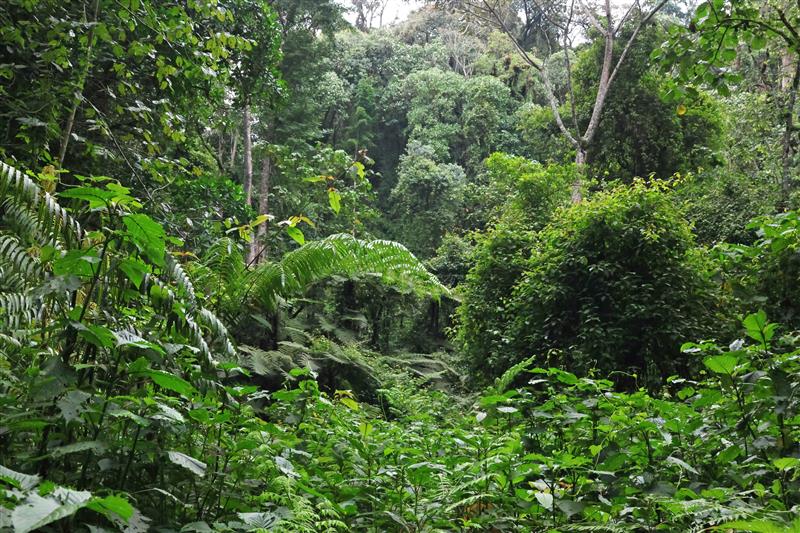
The Kibira and Rusizi National Parks are the green lungs of Burundi. They are home to remarkable biodiversity, but they are also at the heart of Burundi’s environmental challenges.
To better preserve the national parks, the Burundian Office for the Protection of the Environment (OBPE) and Enabel are implementing a project supported by the Belgian government, the European Union and the United Nations Development Programme (UNDP). Objectives: to improve park management, restore natural habitats and encourage sustainable eco-tourism.
Major advances supported by Belgian scientific expertise
The Royal Belgian Institute of Natural Sciences, through CEBioS (Capacities for Biodiversity and Sustainable Development) programme, plays a key role in ecological monitoring and research activities. CEBioS, in collaboration with the Burundian Office for the Protection of the Environment, has realised a detailed mapping of the types of vegetation present in the two parks with a view to gaining a better understanding of how the ecosystems function.
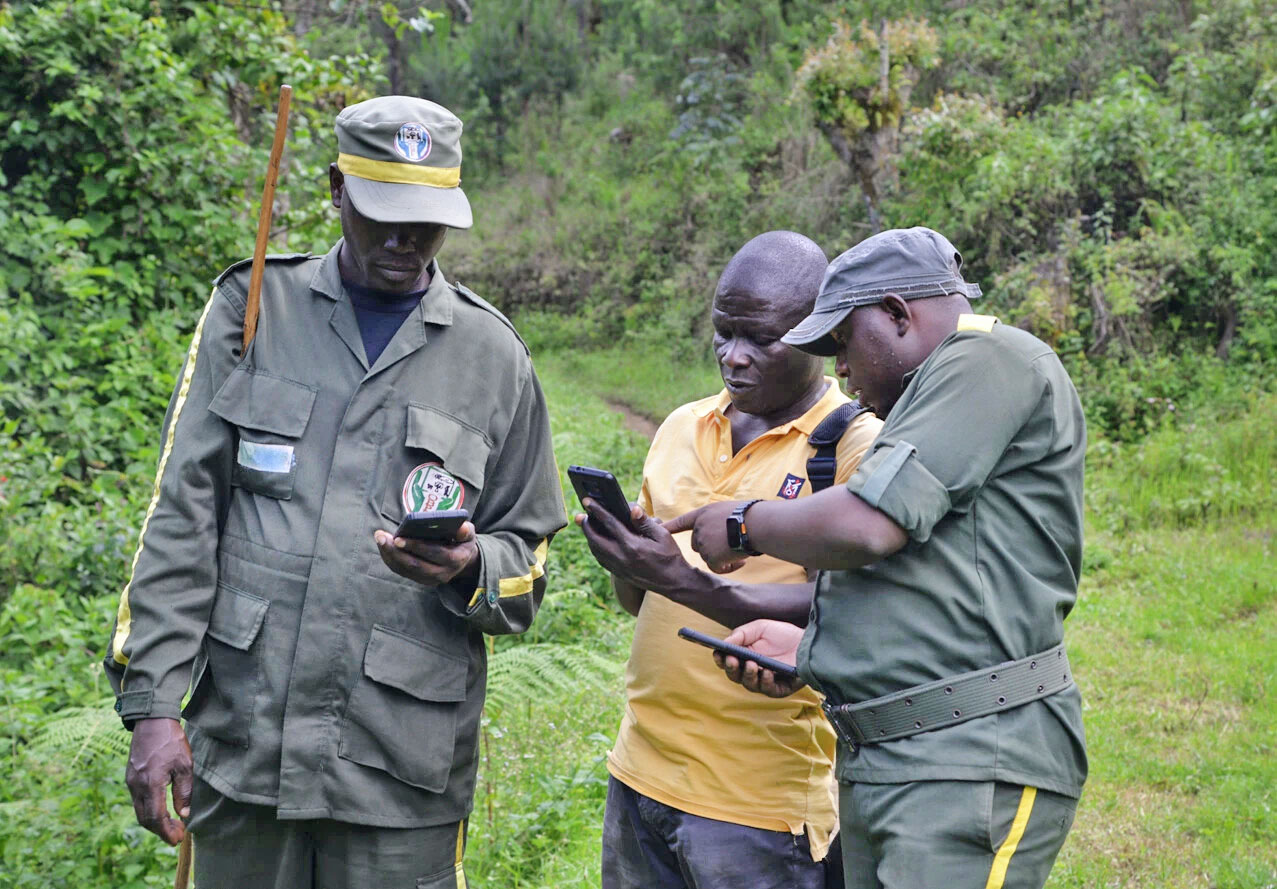
The project also monitors the home ranges of key species, in order to better analyse the species’ movements, identify their critical habitats and assess the threats to their conservation.
Located just a few kilometres from Burundi’s capital, Bujumbura, Rusizi Park offers a unique showcase for Africa’s wildlife: In 2025, CEBioS will be realising exhaustive inventories to better monitor the populations of emblematic species, in particular hippopotamuses and certain birds.
“Ecological mapping, monitoring of key species and staff training only have an impact if they are integrated into a coherent action strategy. This is precisely what CEBioS implements, together with Enabel: turning science into informed decisions and concrete change.” Dr. Luc Janssens de Bisthoven, CEBioS coordinator.
These activities provide a solid scientific basis to guide conservation decisions. By knowing more about the species and their habitats, park managers can adapt their strategies and direct investment where it is most needed. With the support of UNDP and OBPE, CEBioS has also helped to define the priority species to be protected and to select the equipment needed to monitor the parks effectively.
“Beside setting up monitoring infrastructure and ecological restoration initiatives, the project has also organised community groups around sustainable activities such as beekeeping and fishing. These concrete achievements reinforce the protection of biodiversity while involving local populations in the management of natural resources.” Jules Mayaux, Project Manager in Natural Resource Management and Biodiversity at Enabel
Towards a new chapter with NaturAfrica
Given the success of this collaboration, the partnership with CEBioS is continuing as part of NaturAfrica, an initiative funded by the European Union. It aims to combat biodiversity loss by protecting and restoring ecosystems, while encouraging sustainable resource management and the creation of decent jobs for local communities. CEBioS will continue to support biological inventories and local scientific committees and will develop harmonised management tools to strengthen inclusive governance of natural resources in the Nyungwe-Kibira cross-border landscape (Rwanda, Burundi).
CEBioS has been active in Burundi since 2006. It has in-depth knowledge of the country’s ecosystems. For almost 20 years, it has supported applied research, local capacity-building and the integration of science into conservation policies.
This renewed partnership illustrates the importance of international scientific cooperation in preserving Burundi’s natural wealth, while supporting sustainable and equitable development for the communities living around the parks.
About the project
The PACECOR project, running from 2023 to 2027, aims to strengthen biodiversity conservation in the Kibira and Rusizi National Parks. Under the coordination of the UNDP, it deploys a wide range of activities: ecological monitoring, restoration of degraded sites, ecotourism, environmental education, support for community groups and improved governance of natural resources.
The Burundian Office for the Protection of the Environment is the main implementing body, deploying activities in the parks, supervising local teams and ensuring operational monitoring. It plays a central role in the day-to-day management and mobilisation of local communities.
Belgian cooperation, via Enabel, is funding the project and playing a key role in technical implementation, particularly for field activities and material investments. CEBioS programme of the Royal Belgian Institute of Natural Sciences provides targeted scientific support: ecological mapping, monitoring of key species, contribution to management plans and training of park staff.