Natural resources management and biodiversity

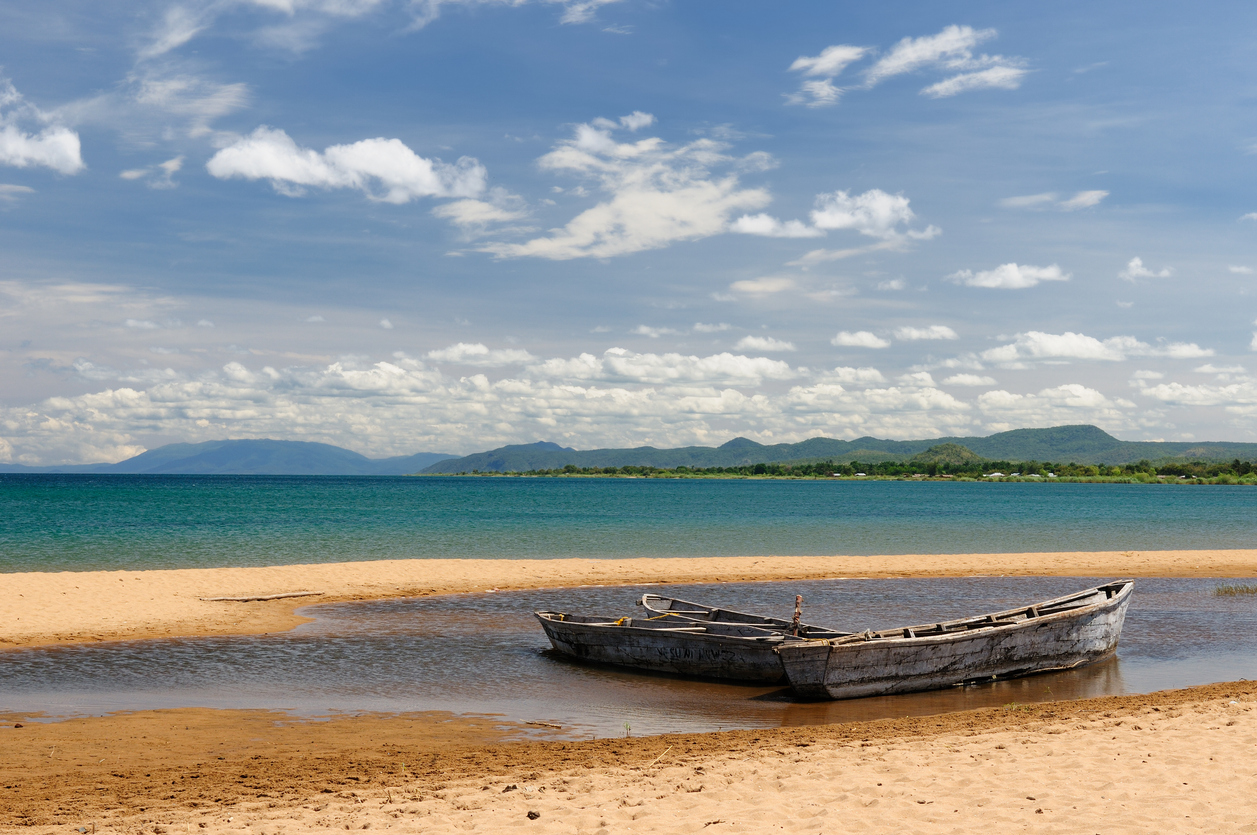
view of tanganyika lake with boat

The degradation of ecosystems, the accelerated loss of biodiversity and the over-exploitation of natural resources are threatening food security, livelihoods and regional stability. These pressures are amplified by climate change, population growth and unsustainable mining practices. They undermine essential ecosystem services such as climate regulation, water purification and pollination.

In 2024, the loss of primary tropical forests reached 6.7 million hectares – an increase of around 80% compared to 2023 (Global Forest Watch 2025). Sustainable management of natural resources is therefore essential to increasing community resilience, preventing resource-related conflicts and promoting inclusive development.

1.66
billion hectares of land

Human activities have already degraded 1.66 billion hectares of land, over 60% of which is agricultural, farm or grazing land (FAO 2025).


Priorities


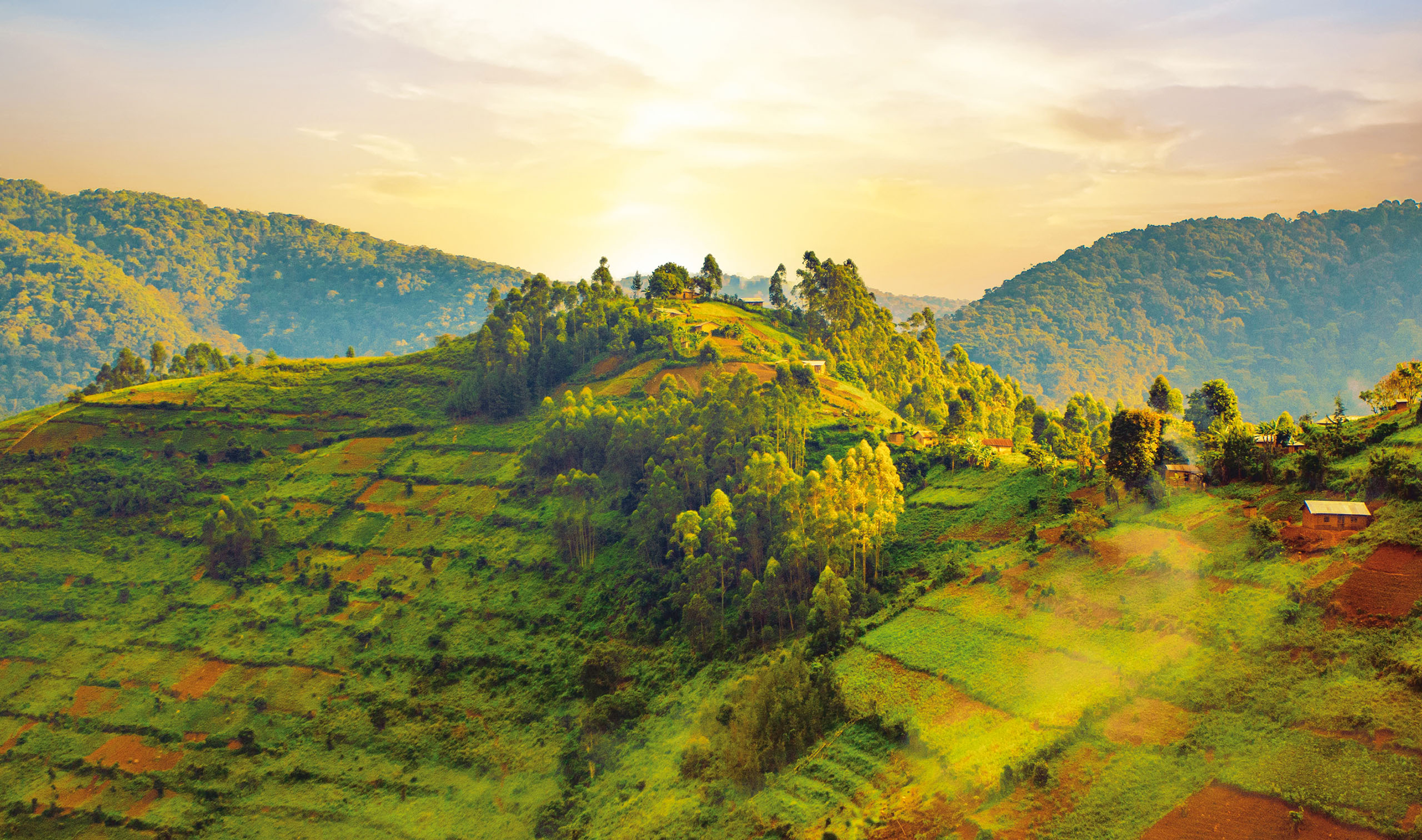
To reconcile environmental conservation, economic development and the needs of local populations, we prioritise a “landscape” approach: by taking into account the ecological, social and economic realities of an area, such approach encourages cooperation across human activities (agriculture, fishing, conservation or tourism), reduces conflicts and ensures sustainable management of natural resources. Enabel’s action is built up around three axes:

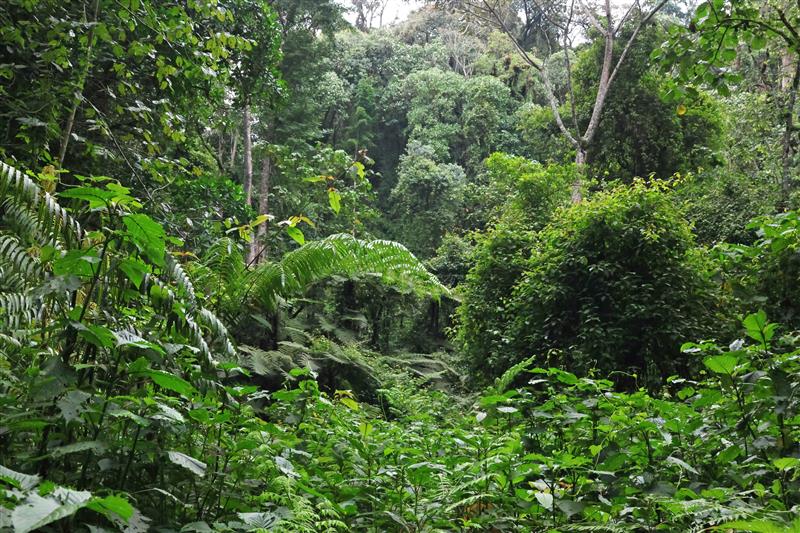
  • Biodiversity conservation: Landscapes are home to a mosaic of ecosystems – forests, peat bogs, mangroves, wetlands – that play a key role in regulating the climate. Their restoration, through reforestation, natural regeneration, wetland rehabilitation or agro-ecological practices, increases carbon stocks, restores biodiversity and strengthens resilience. Enabel supports the protection of protected areas, the restoration of degraded landscapes and community management, while combating the illegal exploitation of resources through ecological monitoring tools and applied research.
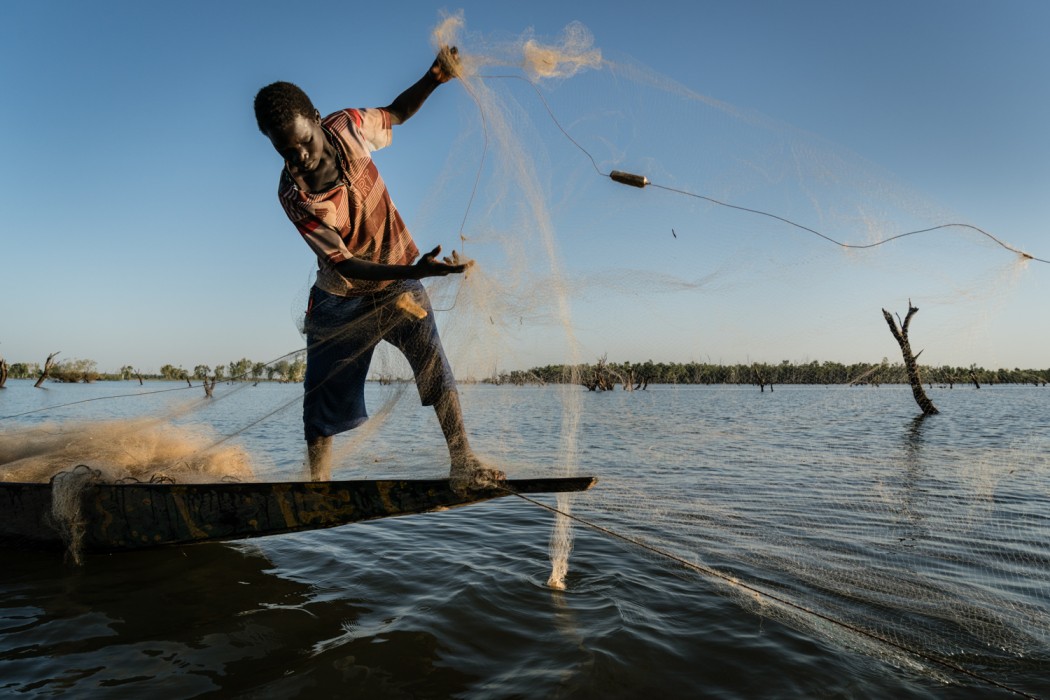
  • Green economy and sustainable development: Natural resources have a major economic potential: fuelwood, non-timber forest products, small-scale fishing, ecotourism, etc. To reduce the pressure on ecosystems, Enabel encourages sustainable alternatives: improved stoves, renewable energy, agroforestry, income diversification (honey, crafts, medicinal plants). These initiatives promote job creation, rural entrepreneurship and the inclusion of women and young people.
  • Governance and institutional strengthening: To improve the management of land resources, it is essential to promote comprehensive land planning. Enabel supports participatory and transparent governance, based on the involvement of local communities, the recognition of customary land rights and the establishment of consultation platforms. Strengthening institutional capacities, combined with comprehensive land planning, will ensure that activities are more coherent and maximise their impact.

The landscape approach encourages cooperation across human activities (agriculture, fishing, conservation or tourism), reduces conflicts and ensures sustainable management of natural resources.

Claude Croizer
Claude Croizer
Senior environment expert


Services


  • Ecosystem restoration and conservation: Reforestation and natural regeneration of degraded land; protection and rehabilitation of wetlands, mangroves and peat bogs; creation and management of ecological corridors to connect protected areas; ecological surveillance and monitoring of biodiversity indicators.
  • Sustainable land and water management: Protection and restoration of watersheds and wetlands; techniques to combat deforestation, erosion and soil degradation; implementation of agroecological and agroforestry practices to improve soil fertility and sustainable production.
  • Support for the creation and management of sustainable economic value chains: Support for the creation of sustainable local industries: non-timber forest products, honey, medicinal plants, handicrafts; promotion of agroforestry, ecotourism and sustainable artisanal fishing.
  • Support for governance and public policy: Institutional capacity-building for policy development; technical and organisational capacity-building for administrations, NGOs and local players; setting up consultation facilities and natural resource user committees; capacity-building for communities to manage resources effectively.

Experience

Conserving the ecosystems of the Rusizi river basin

In the provinces of Cibitoke, Bubanza and rural Bujumbura (Burundi), Enabel supports the Ministry of the Environment, Agriculture and Livestock in conserving the ecosystems of the Rusizi river basin, particularly in the Kibira and Rusizi National Parks. The aim is to strengthen the governance of protected areas, promote land restoration and manage water resources properly, by improving the supply of drinking water in rural areas, with particular attention to vulnerable groups.

In partnership with the United Nations Development Programme (UNDP), Enabel is responsible for activities relating to environmental governance and restoration, while playing a central role in coordination and institutional support.

Learn more

Combatting the loss of biodiversity with NaturAfrica Nyungwe-Kibira 

The NaturAfrica project, funded by the European Union and implemented by Enabel in Burundi and Rwanda, aims to combat the loss of biodiversity in the Nyungwe (Rwanda) and Kibira (Burundi) National Parks. Enabel supports the restoration of a network of protected areas and valuable ecosystem – totalling an area of 140,000 hectares of forest – while promoting the sustainable management of the surrounding landscapes.

The project supports the creation of decent jobs in green sectors for local communities. It strengthens environmental governance at several levels: cross-border coordination, institutional capacity and the commitment of national stakeholders to coherent and sustainable management of these natural areas.

Find out more

Climate Sahel Thematic Portfolio (PTCS)

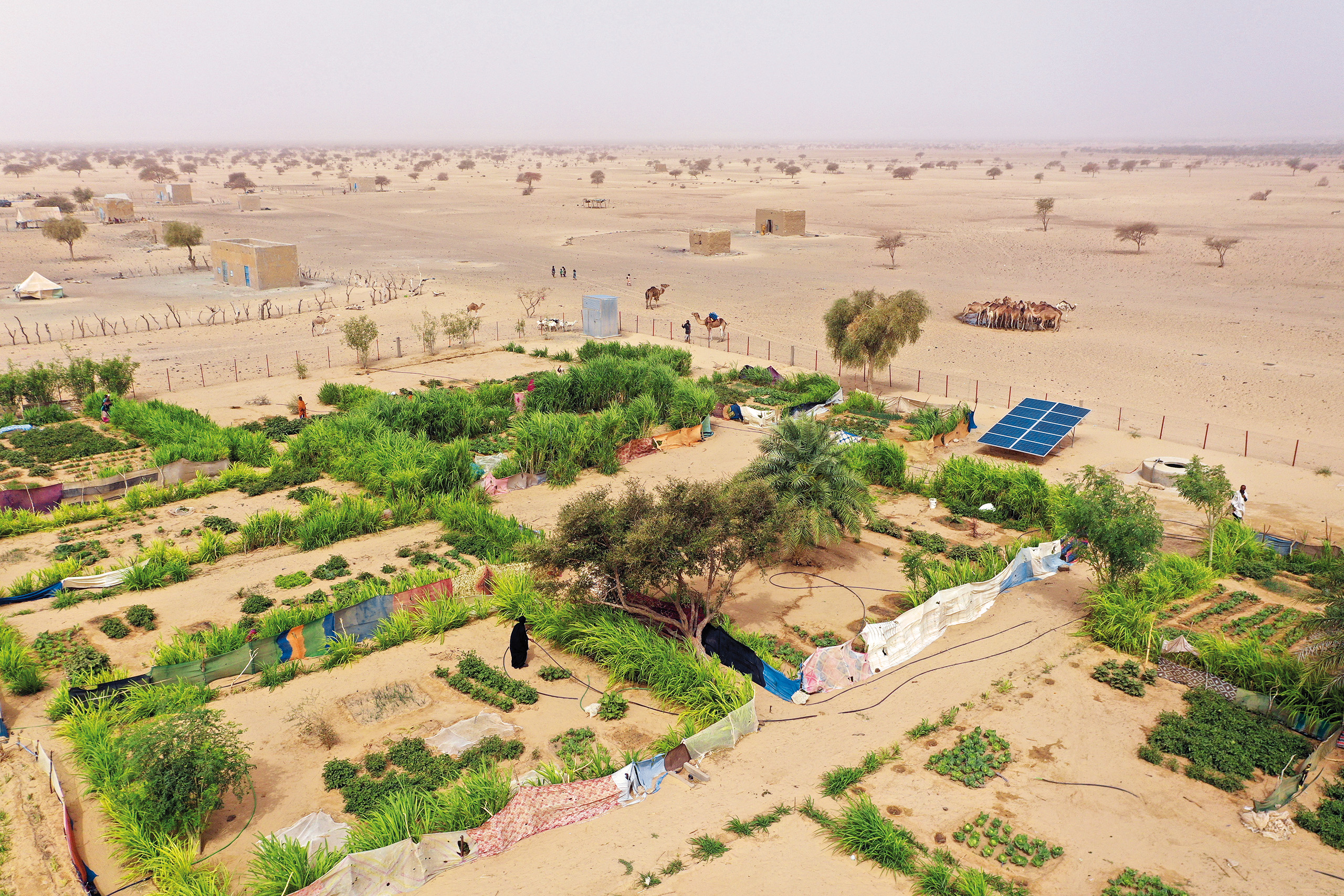
The PTCS is a regional initiative financed by the Belgian Cooperation and implemented by Enabel in Burkina Faso, Mali, Niger and Senegal since 2022. It aims to strengthen the climate resilience of populations in the Sahel region through comprehensive adaptation and mitigation actions: restoration of degraded land, sustainable management of natural resources, agro-ecology, access to water, and involvement of local communities (particularly women and vulnerable groups).

The portfolio is part of the Great Green Wall initiative and supports national adaptation policies. It promotes regional cooperation, local capacity building and access to climate financing, in line with international commitments.

Find out more

Related content

Stay informed

Keep up-to-date with our latest activities and international development trends from a Belgian perspective.

Newsletter

"*" indicates required fields

This field is for validation purposes and should be left unchanged.