News
19 November 2025
Young voices in Burundi improve Enabel’s work
Interview with Naomi Omowumi Gideon, Junior Expert Youth Engagement in Burundi
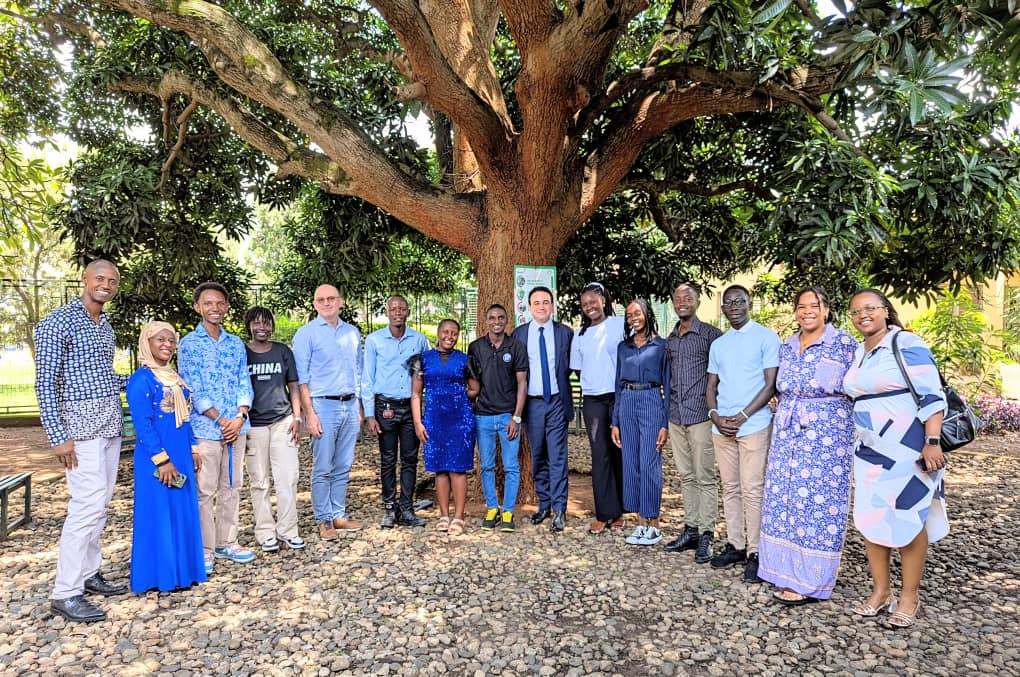
How can international cooperation truly reflect the voices of young people? In Burundi, where over 65% of the population is under 35, Enabel launched a pilot project to find out. Naomi Omowumi Gideon, Junior Expert on Youth Engagement, is leading the way by setting up the organisation’s first Youth Advisory Committee.
When Naomi Omowumi Gideon applied for a post as a Junior Expert with Enabel, she saw it as possibly her last chance to start working abroad in a professional capacity within the development cooperation sector. “I was about to turn 30, the cut-off age for the programme, and the job opening matched my background. So I thought, why not try?”
Though she had studied international cooperation, her early experiences left her with mixed feelings. “During an internship in Bolivia, I saw a disconnect between what financial partners need and realities on the ground. In my opinion, Bolivian NGOs had to spend too much time meeting their administrative demands, time that couldn’t be spent on something else.”
Naomi then worked in Belgium, overseeing diversity and inclusion projects for scouting organization ‘Les Scouts’, a job she loved. But four years later, she was ready to give international cooperation another go. “The Junior Programme allows you to stay for two years, which gives you time to grow into your job and understand the sector better.” Now based in Bujumbura, the capital of Burundi, Naomi works as a Junior Expert on Youth Engagement, a role she’s truly made her own.
A new way of doing things
Her main task? Creating and guiding Enabel’s first Youth Advisory Committee in Burundi. “It’s a pilot project,” she explains. “I had to build it from scratch, from recruitment to methodology.”
The initiative gives young Burundians a voice in shaping Enabel’s development work. With 65% of the population under 35, the rationale is clear. “There’s a lot of talk about youth participation in the sector, but we want to avoid it being performative,” Naomi says. “We don’t want to do ‘youth-washing’. My focus is making sure their voices are genuinely heard. The end goal is for projects to have a bigger impact because of the exchanges between the Youth Committee and project staff.”
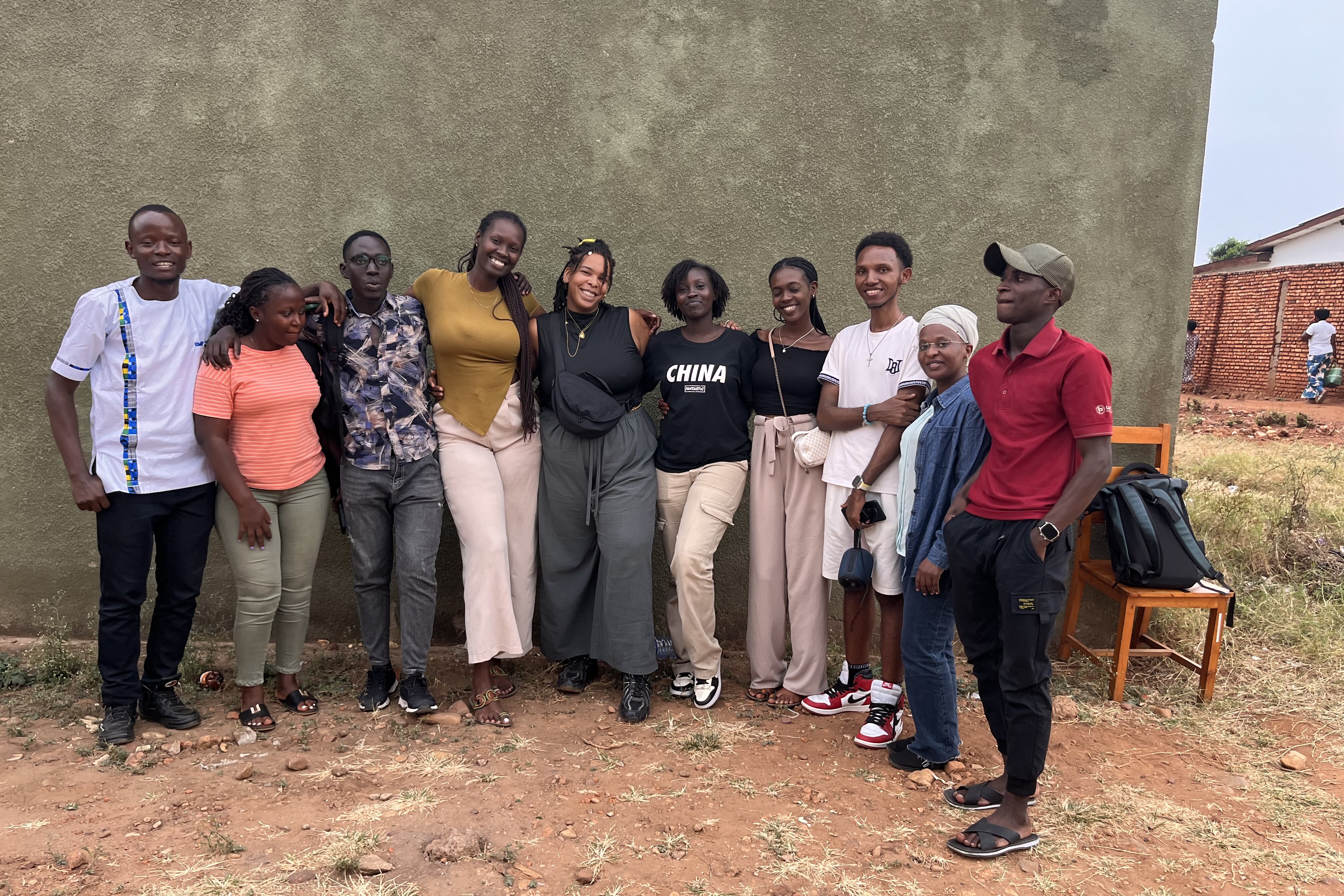
From over 2,300 applications – far more than expected – Naomi led a selection process involving screening, interviews and assessment centres, eventually narrowing it down to 10 members aged 19 to 30, diverse in geography, gender, socio-economic and educational background. “We have people from rural and urban areas, parents, people of different religions. It’s not perfect inclusion, but it’s meaningful.”
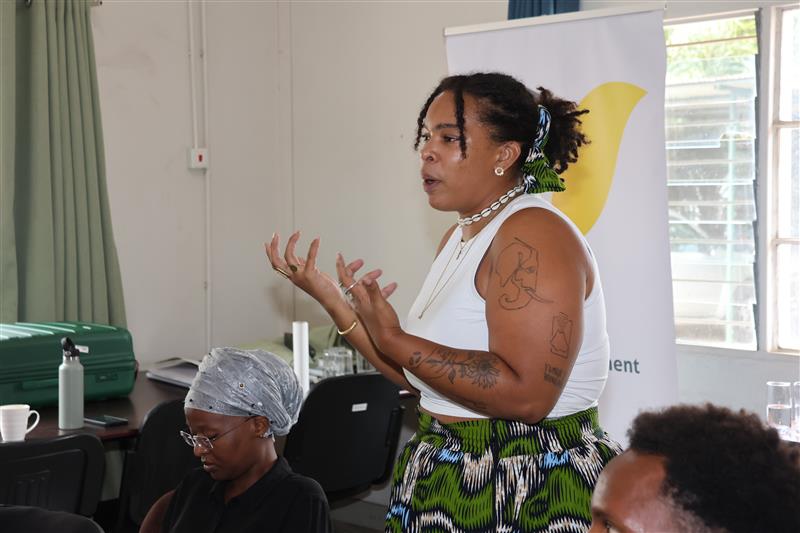
More than symbolic participation
For Naomi, it was vital that project managers took the pilot seriously. Before launching, she set up a survey to know from them: “What questions do you want to ask young people?” Their input helped shape the committee’s agenda.
The group tackles real challenges. One came from Enabel’s Governance and Civic Participation project, which noted a lack of youth engagement in civil society. The committee is now working on a plan to better involve their peers, including organising a two-day workshop with youth from across Bujumbura, Cibitoke and Kirondo, the region where Enabel is active.
Importantly, the committee also chooses its own themes. “It’s not just reactive,” Naomi says. “They identify issues, raise critical reflections, and we feed those into meaningful conversations with project teams.”
Still, making space for young voices isn’t always easy. “When teams face tight deadlines, the Youth Committee sometimes gets deprioritised. It’s understandable, but if we don’t schedule time for dialogue, we won’t see change.”
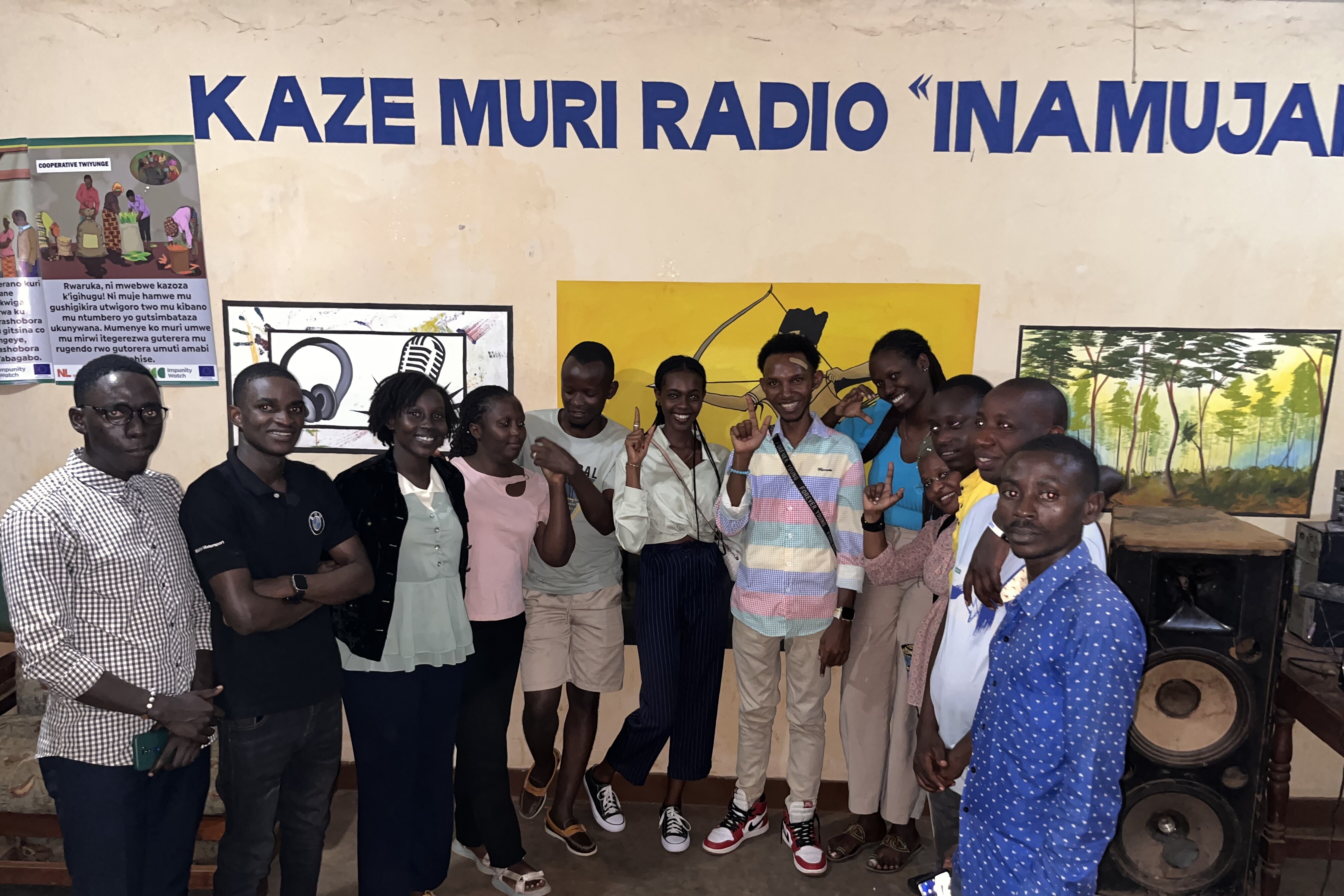
Living the paradox
After 8 months on the ground it’s safe to say that Naomi loves her job and believes it’s vital to make room for young voices. But she thinks we could achieve even more if we take the importance of representation seriously. “In Burundi, Enabel’s team still lacks a bit of diversity. A lot of programme managers are white, European, and male. Ideally, our team should be more of a reflection of the society we work in.”
Her experience in Burundi has been both beautiful and complex. “I’ve been warmly welcomed. I found community through sport, colleagues and friends. I feel lucky.”
Yet she remains aware of her own privilege. “I’m here on a European salary, with freedom of movement and access to resources. My life here is great, but it contrasts starkly with some of the realities around me. That tension is always there.”
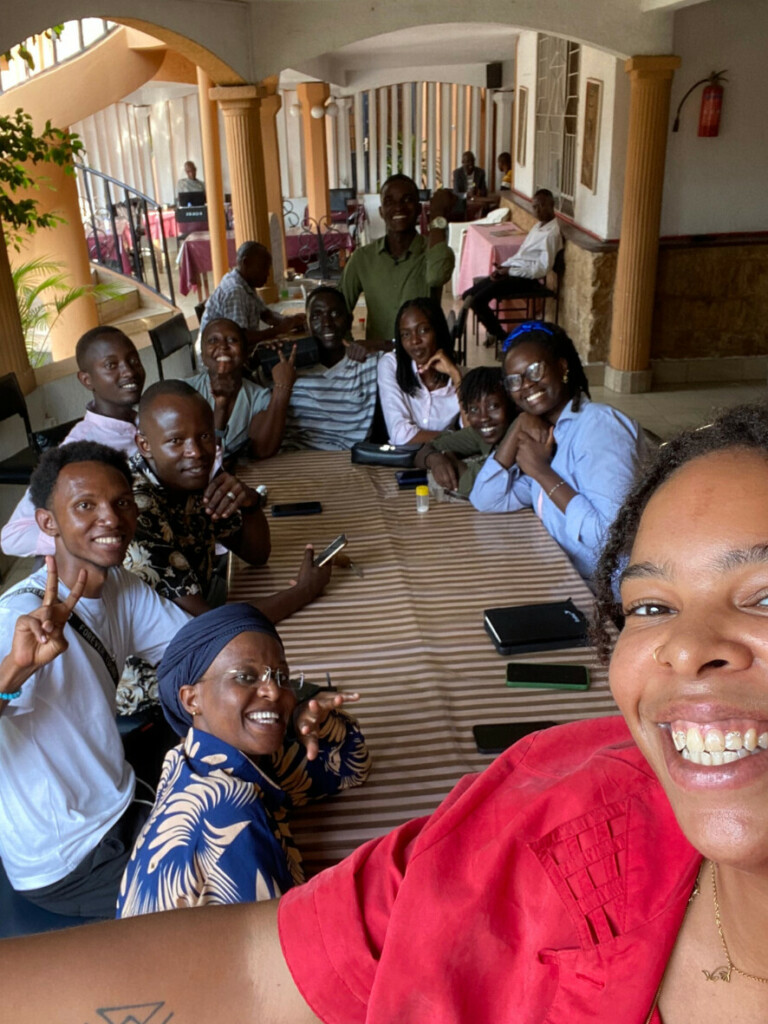
Daring to take up space
Asked what would make her proud after two years, Naomi is clear: “If our committee’s ideas lead to real, implemented change, rooted in the Burundian context, that would make me so happy.”
She also hopes to take the group to another African country for an exchange visit. “Listening to other bright young minds, seeing beyond your own context, I believe it could be so inspiring for the youth committee.”
But there’s one thing she really wants to emphasise: “I want them to know it’s OK to be critical, to take up space, and to believe their voice matters. If we achieve that, we’re one step closer to the ultimate goal of international cooperation: making ourselves obsolete.”