News
1 May 2025
“Working on inclusion is also about considering the context”
Interview with Eline Hochepied – Junior Expert in Uganda
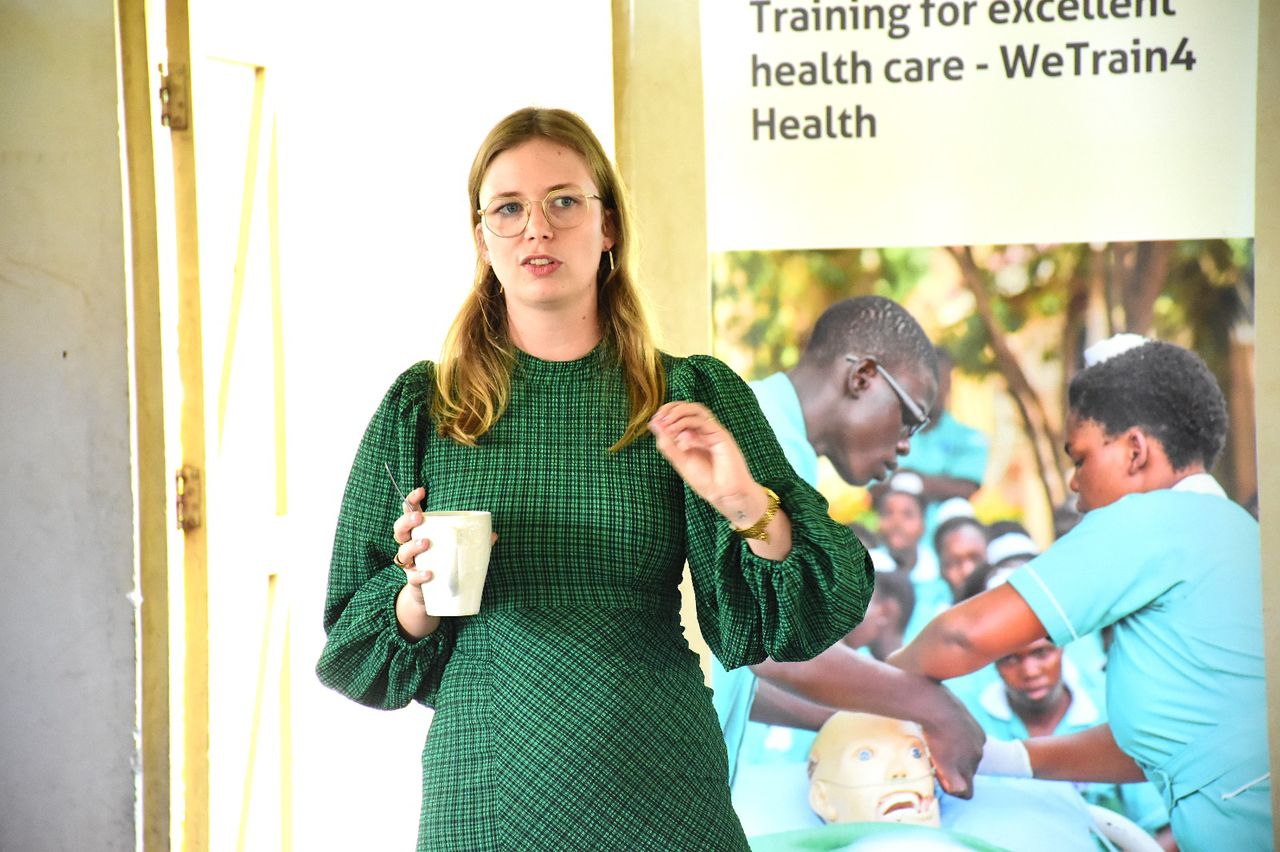
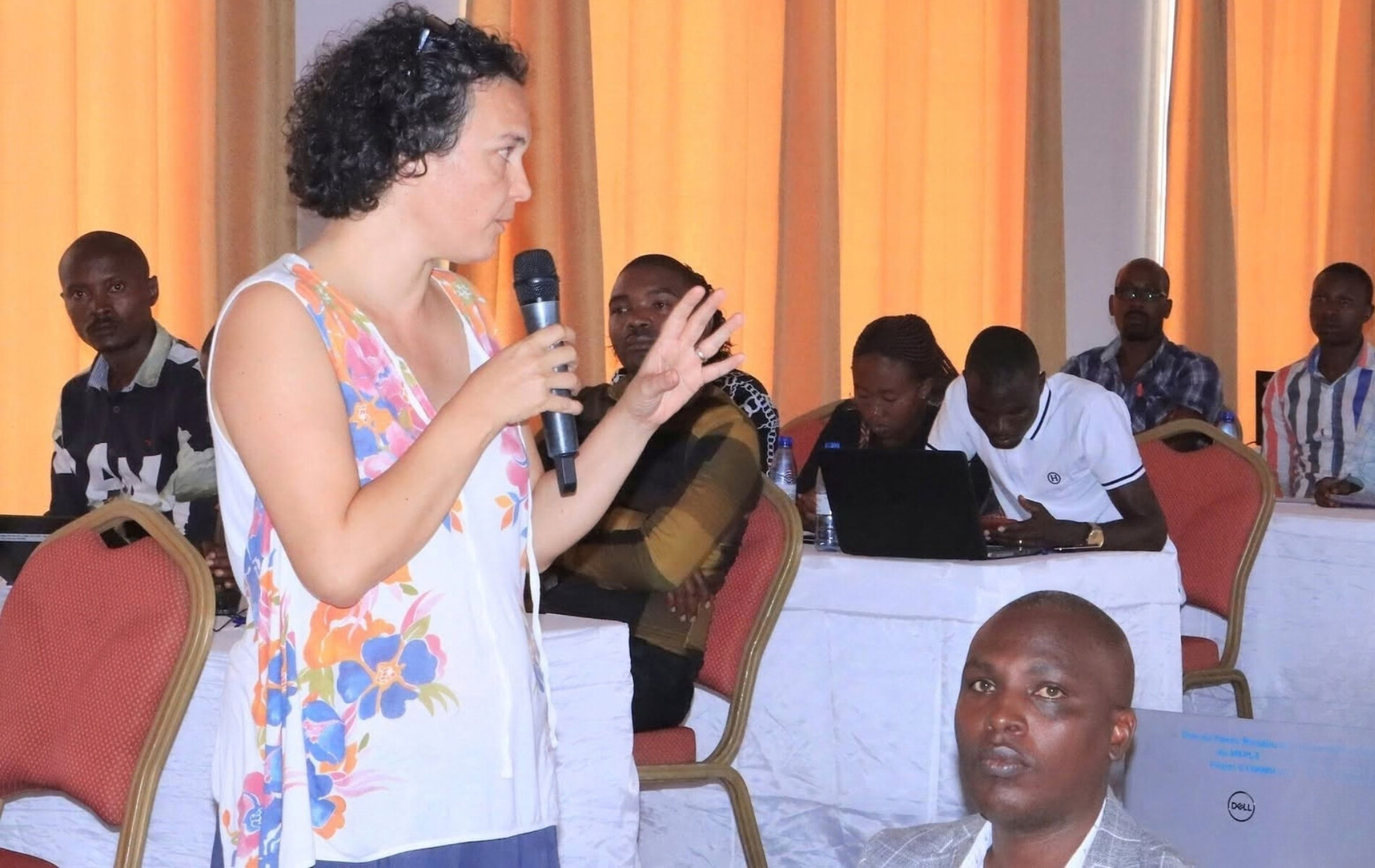
Eline Hochepied (28) has been working in Kampala, the capital of Uganda, for over a year as a Junior Expert Gender and Inclusion at Enabel. She is part of a team of four who ensure that all projects take gender and inclusion into account as an integral part of each project’s DNA, rather than as a separate element. ‘At first, we had to proactively approach colleagues, but now they find their way to us.’
Eline was already familiar with diversity thanks to her background in law, conflict, and development studies, and her previous work experience at Fedasil. Nevertheless, moving to Uganda was a leap into the unknown. “I was stressed by the idea of building a life in a country where I didn’t know anyone. This was my first work experience abroad. It was originally planned for the period during which I was writing my thesis, but due to the Covid epidemic, it fell through.”
“But I have been very warmly welcomed. My colleagues and the people in Kampala are incredibly friendly.” The way of working sometimes required some adjustment: “I like to plan everything down to the last detail on paper. My teammates start from a different place. They dive into a project faster and then adjust where necessary. I now see the added value of that flexibility, but it took me some time to let go of my planning.”
The priorities are also different in Uganda than in Eline’s previous work on inclusion. While gender work in Belgium often revolves around breaking glass ceilings, Eline’s team in Uganda focuses on broader societal challenges. “This is also about valuing unpaid work, such as subsistence farming, for example. There simply aren’t enough jobs for everyone. Therefore, striving for one sufficient income per family, regardless of who earns it, is often more realistic than the idea that every woman must enter the labour market.”
‘Details’ make the difference
The team that Eline is part of helps colleagues in various projects think about the impact of their work on vulnerable groups, such as people with disabilities or people who had to flee from their home country. Sometimes this is by adjusting very practical things. “For example, when communities are allowed to give feedback on projects: then you have to take into account the time: not when women work their land. And you have to provide childcare, if you also want input from women.”
Sometimes Eline had to shift her expectations. “During a community workshop on teenage pregnancy, I thought that I should especially ensure that there is enough space for young women to talk. But the subject was seen as a typical women’s theme, so boys didn’t feel invited to say anything. I noticed that they were in doubt, can we say something about this? So I tried to make room for them too – that too is inclusion.”
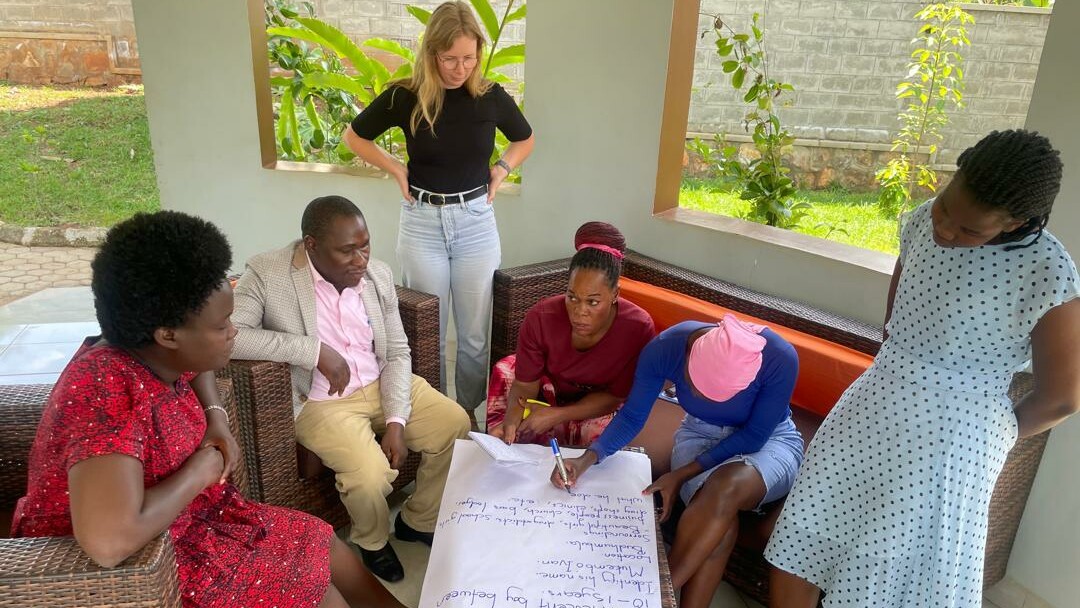
International cooperation: a critical look
Eline gets a lot of satisfaction from her work, but she sometimes struggles with the concept of international cooperation. “I question my own position as a white expatriate in a postcolonial context,” she says. “Why are we so often in positions of power? What is our real added value?”
This is why she is glad that most of her colleagues are Ugandan, including those in management. “My team consists of four people: my supervisor, Janepher, and my two colleagues are all Ugandan. This provides a wealth of local knowledge and insight into the context. They have taught me to see things differently.”
She praises her colleagues, who often offer her a different perspective. “Sometimes we want to launch projects that sound good in theory, such as “more women as motor-taxi drivers”, but in reality, these project ideas don’t help anyone. There are already too many unemployed motor-taxi drivers. My colleagues understand this much better.”
“Many Ugandans see the sector as an interesting career with better conditions than many other jobs. Perhaps that’s less ‘altruistic’ than how we like to look at it in Belgium, but maybe it’s healthier. I have learned here that it is wise to be modest about the role you play as an ‘outsider’.”
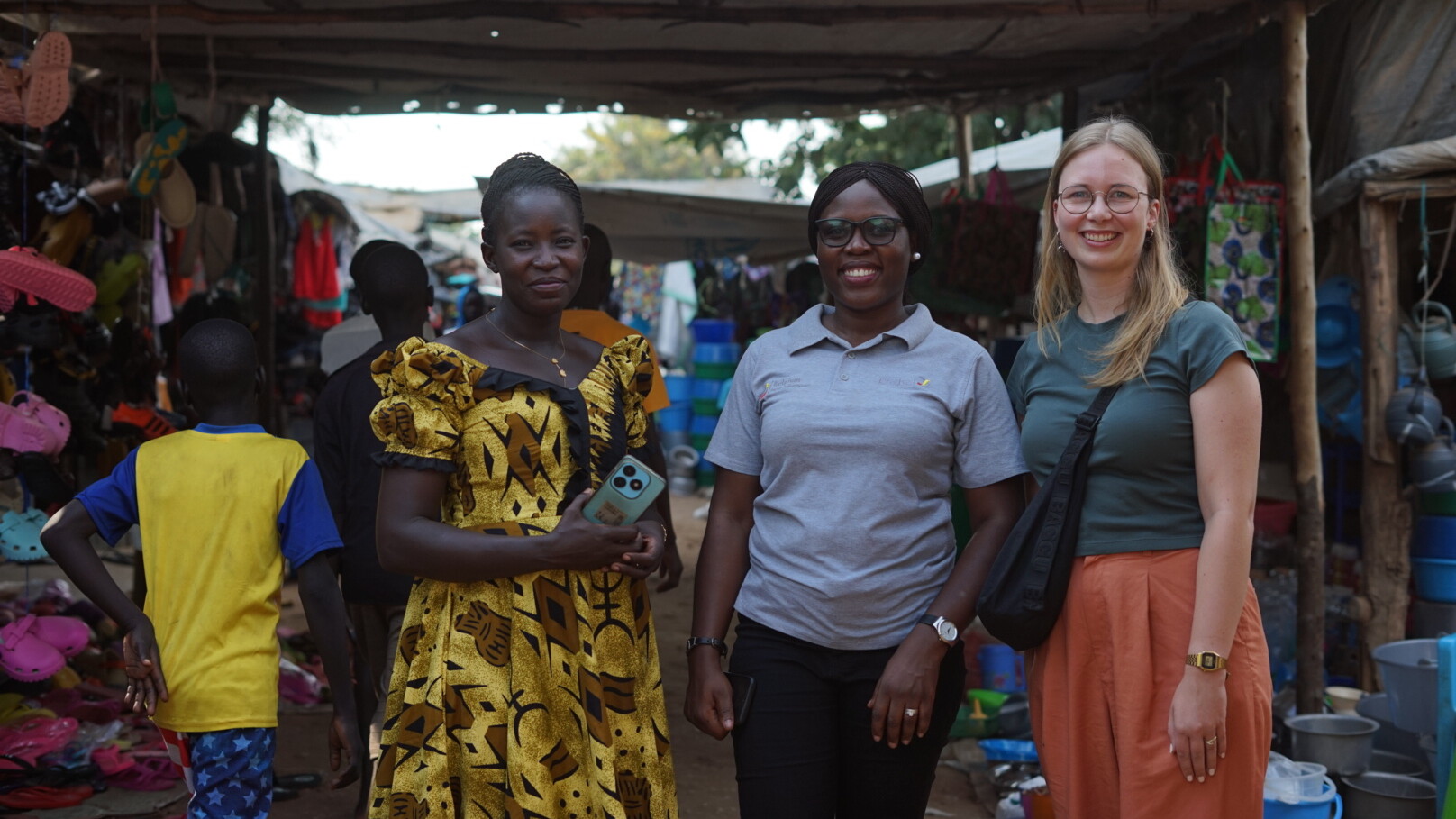
A home away from home
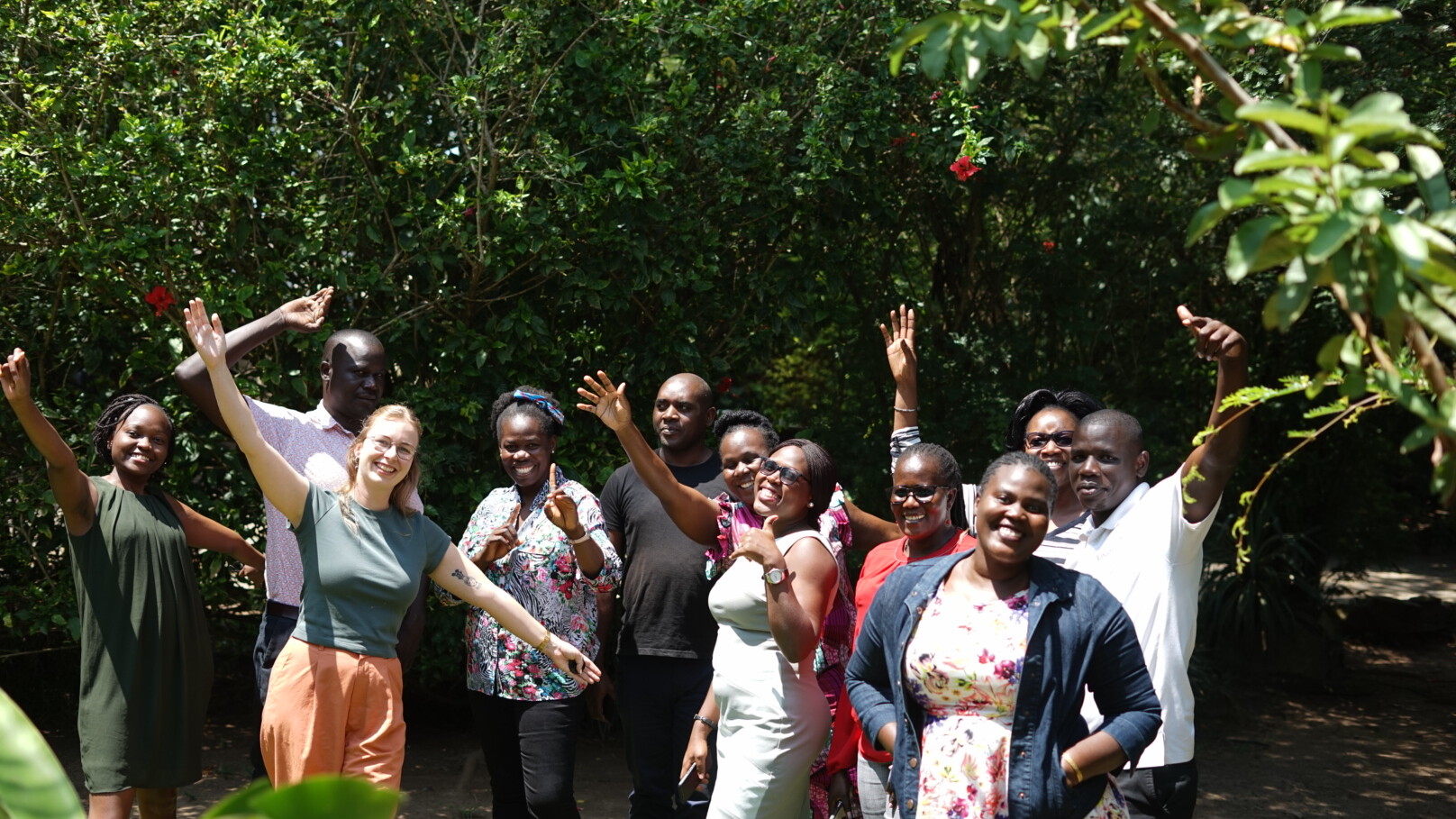
In addition to her work, Eline has also found her place in Kampala. ‘The city is lively, friendly and full of surprises. I’m in a book club and a walking group, and I have Ugandan friends as well as expat friends. I never thought I would feel at home here so quickly. Life here has made me more flexible and changed my views on work, culture, and collaboration. This experience has shaped me in many ways, both professionally and personally.”
And what about international cooperation? “I haven’t made up my mind yet. In any case, continuing to think critically seems essential to me.”