News
16 October 2025
From Power to Empowerment
Gender, culture and participation in renewable energy transition
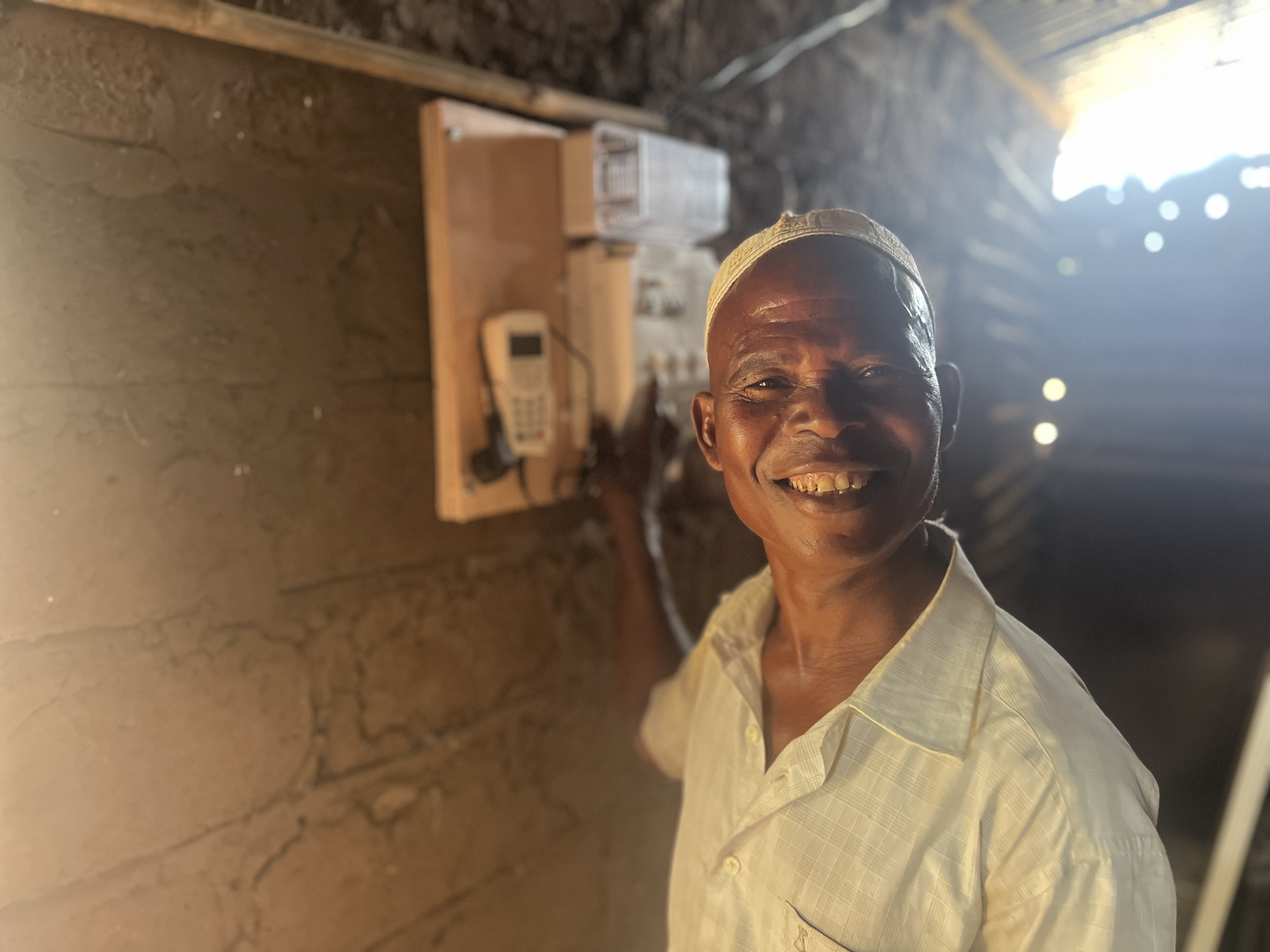
In Muite, evenings once ended under kerosene lamps and smoky kitchens. Today, solar mini-grids hum quietly in the background, powering lightbulbs, mixers, and welding machines. However, electricity alone does not change habits. For an energy transition to be just and lasting, it must be shaped by the voices, local traditions, and daily realities of the communities it serves.
Turning energy access into inclusive development
Through the Renewable Energy for Rural Development Project (RERD2+), Enabel and the Mozambican National Fund of Energy (FUNAE) have realized five solar mini-grids in Nampula and Zambezia provinces. The project’s ambition goes beyond lighting homes: it seeks to transform energy access into a catalyst for entrepreneurship and inclusive development.
In collaboration with a local consultancy, the project facilitated access to electrical working tools for local professional associations in metalworking, carpentry and cooking to develop their businesses. This was accompanied by technical demonstrations and follow-up visits organized with FUNAE in June 2025. These visits highlighted an essential truth. Infrastructure alone is not transformative. Adoption depends on how well new technologies fit into people’s daily routines, cultural norms, and community dynamics.
From biomass to clean cooking
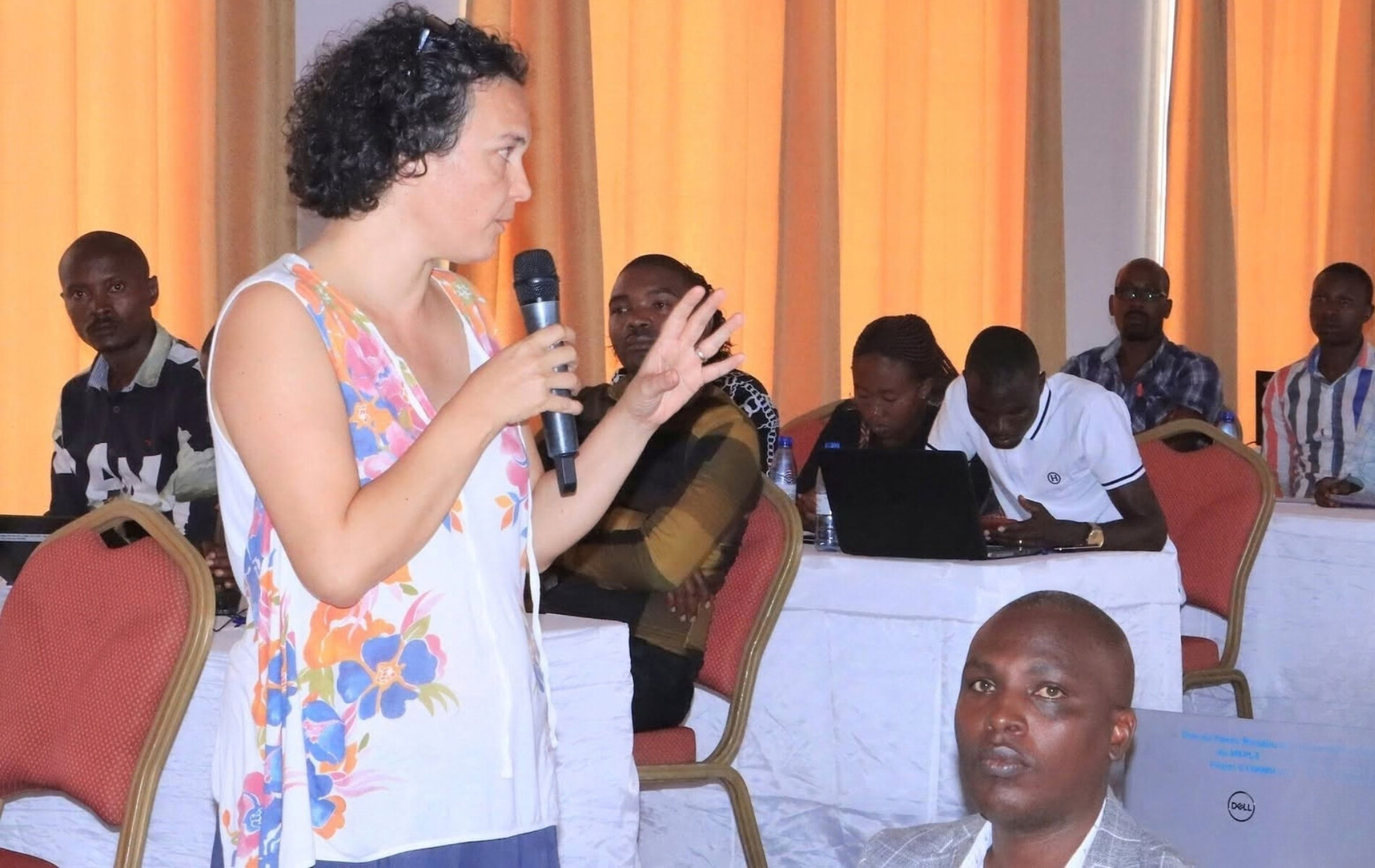
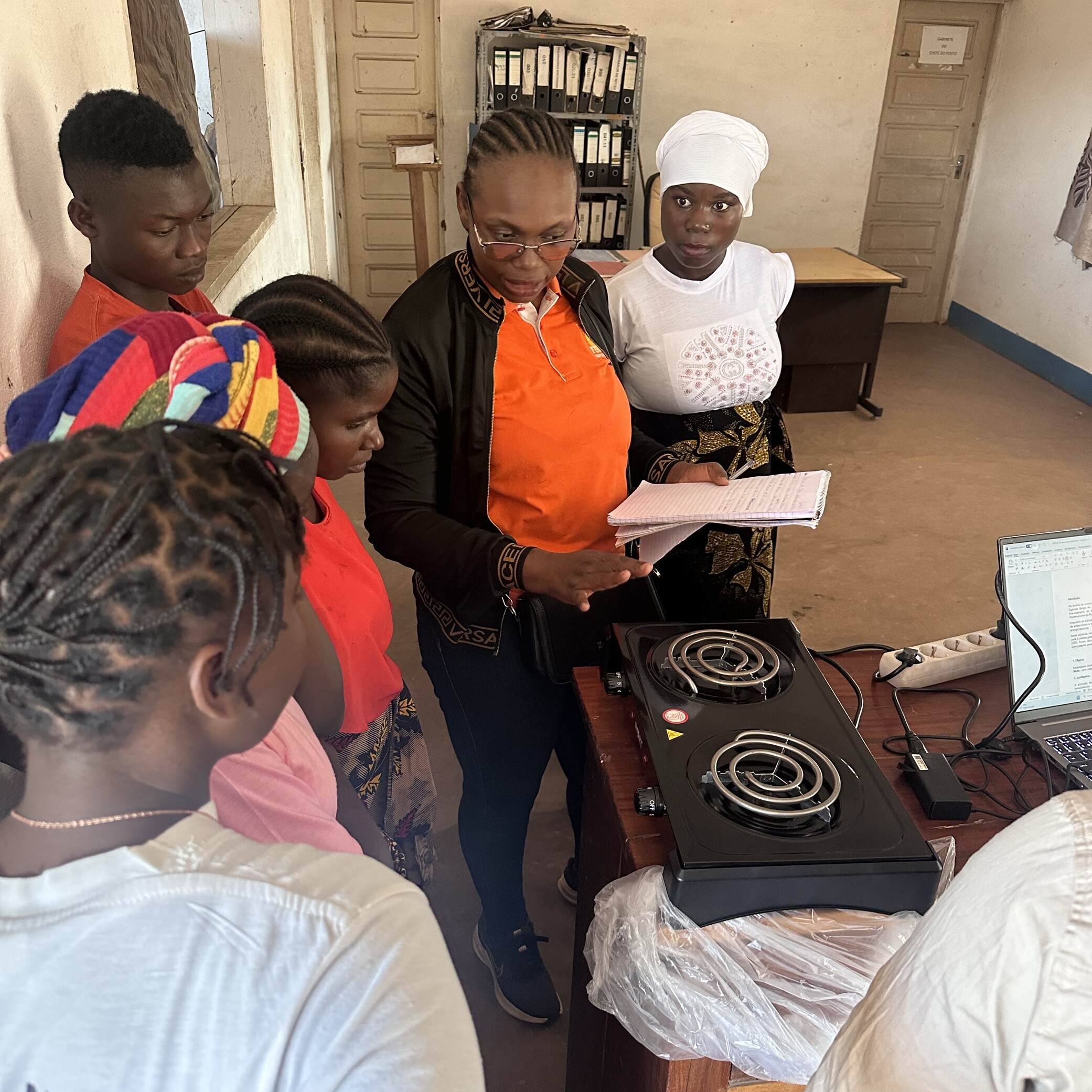
This is particularly visible in the shift from firewood and charcoal to clean cooking technologies. To support this shift in Muite and Milhana, the project provided cooking associations with electric stoves, grills and mixers as healthier and more sustainable alternatives. However, many of these appliances remained unused, in part caused by a lack of familiarity. Cooking demonstrations were organized in response, but these sessions also revealed deeper social challenges. For demonstrations to be effective, they must go beyond individual skill-building and consider how technologies are adopted within communities and households.
In Mozambique, as in many countries, cooking is a gendered activity. Traditions and techniques are passed down through generations, and the kitchen becomes a space where gender norms and intergenerational socialization converge. Clean cooking equipment enters this space with the potential to disrupt habits, particularly when it changes taste or texture.
Associations in both villages are composed almost entirely of women, yet in many dual headed households men control finances, influencing decisions about whether electricity bills are paid or appliances replaced. Generational differences also shape adoption. In Muite, older women were the ones attending the demonstrations, while younger women were assigned other tasks, limiting both intergenerational learning and the legitimacy of the new technologies. For clean cooking to take root, trainings must ensure participation across age groups and engage the wider community, men included.
Cooking for empowerment
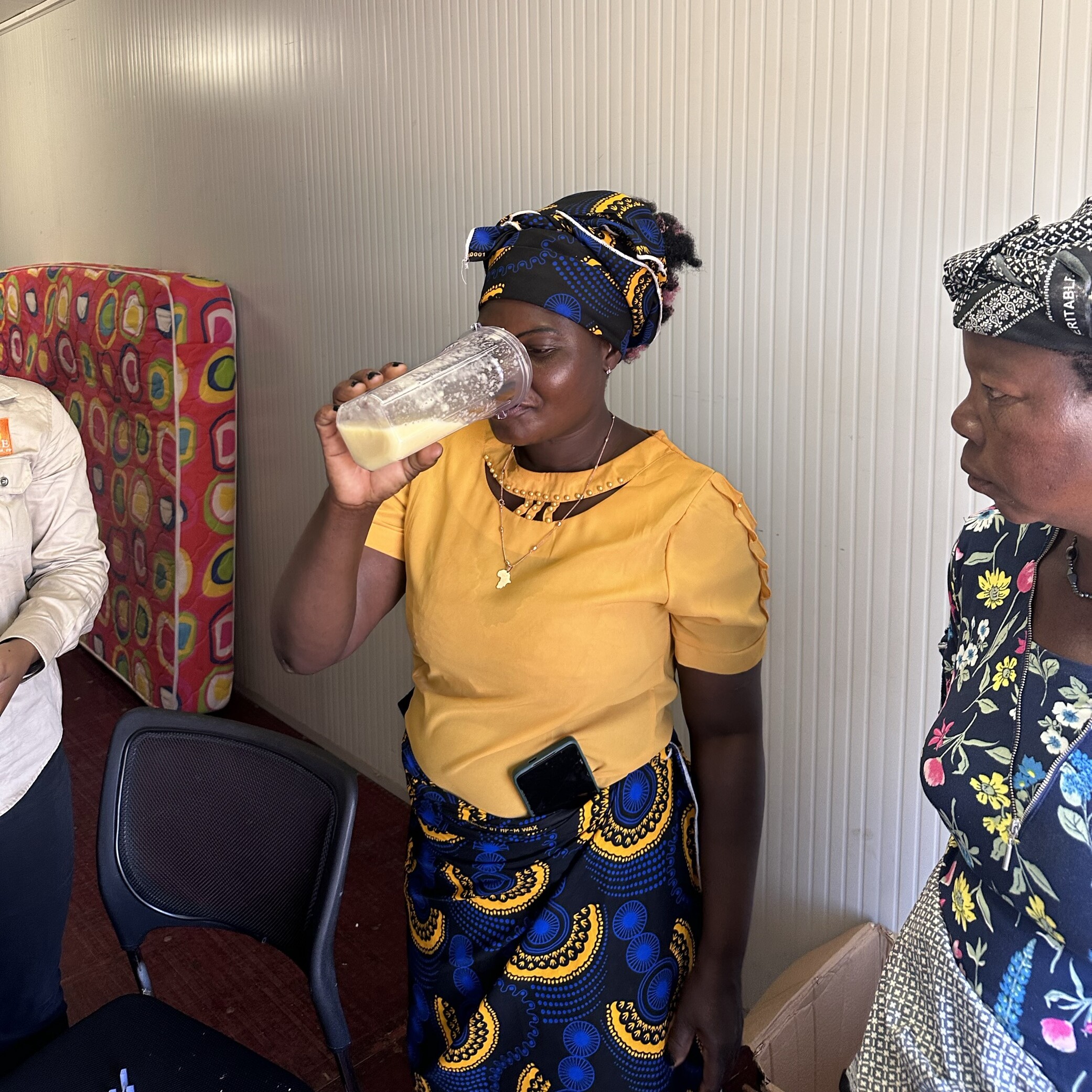
Cooking associations are not only guardians of food traditions, but they are also entrepreneurs. By catering to local festivities, they generate income and visibility. For this model to thrive, new technologies must be accepted by both association members and their communities. In Milhana, for example, an electric mixer was introduced by preparing juice from local produce and sharing it among men and women.
This simple act created enthusiasm and showed how demonstrations grounded in familiar tastes and ingredients can foster both community acceptance and consequently enterprise growth.
Culture and technology: a necessary integration
The experience of RERD2+ demonstrates that behavioral change in energy use is never purely technical. It requires a deep understanding of culture, identity, and relationships. Clean cooking illustrates this vividly: even when technologies promise health and environmental benefits, they risk rejection if they do not respect local practices and preferences.
Renewable energy solutions must therefore be designed with communities rather than for them to be impactful. Demonstrations that reflect local diets, workshops that include different generations, and spaces where both women and men can participate create legitimacy and ownership. When infrastructure is adapted to context and people are active partners in its use, electricity becomes more than power. It becomes empowerment.