Education and skills development

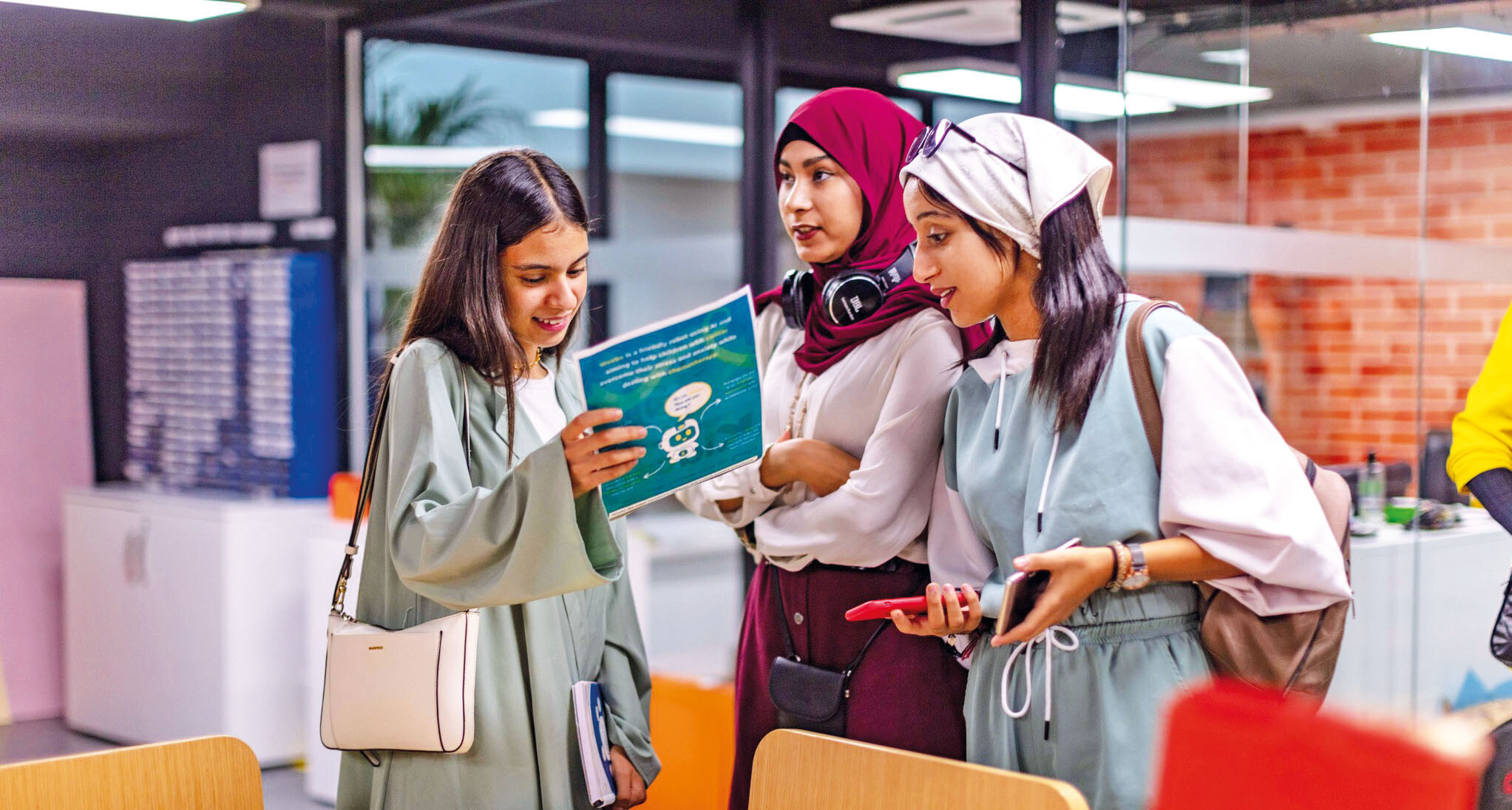
three young students chatting

Africa’s demographic boom – where over 60% of the population is under 25 – offers a major opportunity to stimulate innovation and inclusive growth. Yet youth unemployment remains high, often due to education and training systems that are poorly adapted to the needs of the labour market.

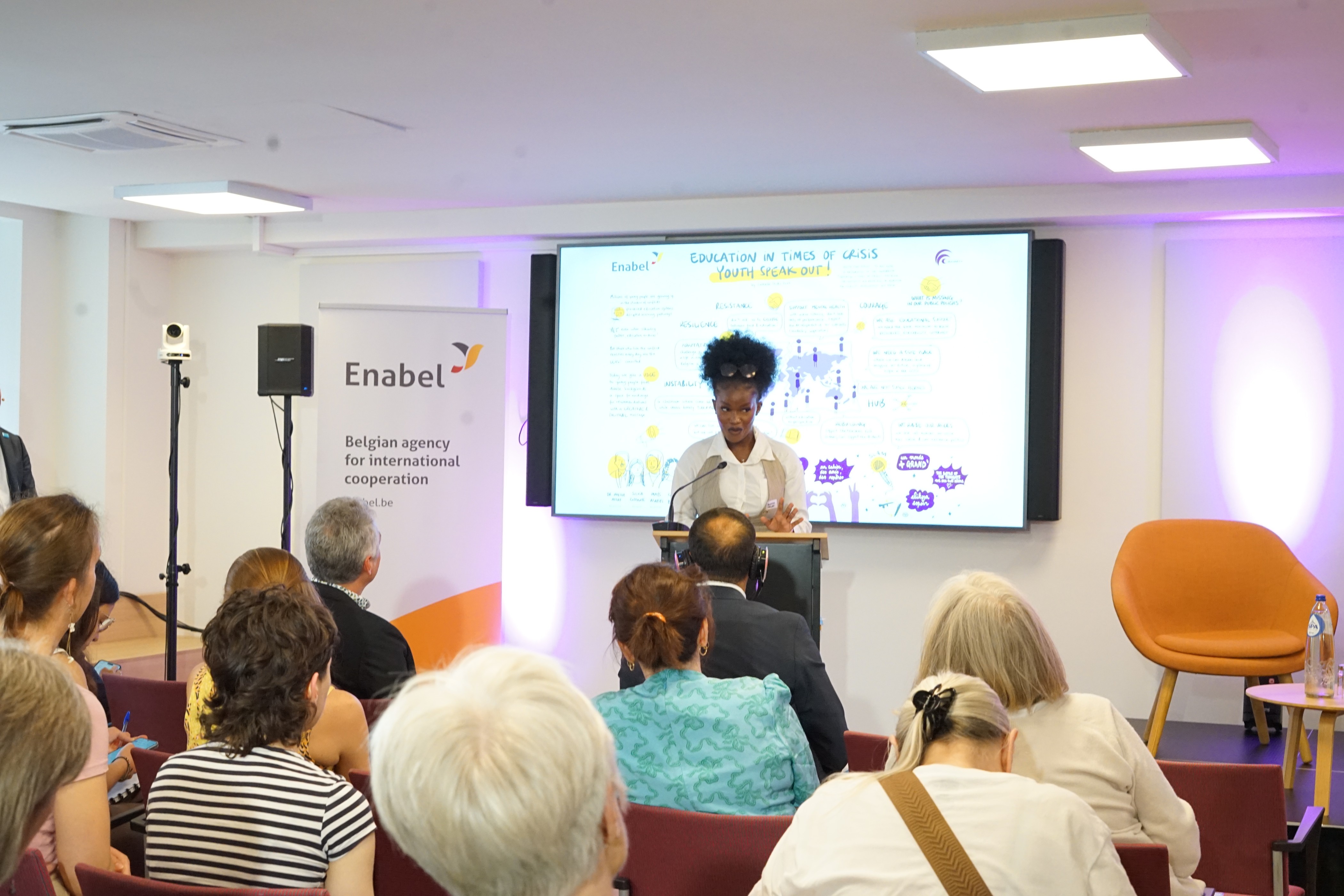
Worldwide, 272 million children and young people are out of school (UNESCO, 2024), deprived of the human capital essential for a secure future and access to decent employment. Interconnected global crises – climate change, conflict, economic crisis – are amplifying these challenges, widening inequalities and holding back sustainable development. Education and skills development, as fundamental human rights and global public goods, are at the heart of the solutions to meet these challenges and build a prosperous future.
50
projects

Enabel’s portfolio in Education, Skills, and Decent Employment encompasses more than 50 projects in 16 countries with a total budget of 500 million euro.


Priorities


Improving access, quality, management and governance of general education
: Together with our partners, we strengthen primary and secondary education through teacher professional development, curriculum reform and student-centred teaching methods. Teachers are supported in using digital technologies to foster active learning and empower students as digital citizens through toolkits and digital skills training. We are working to improve access to education, particularly for girls and vulnerable young people, by promoting a safe, inclusive and healthy learning environment. We also support the construction and refurbishment of eco-responsible schools and work with school management to ensure more transparent and inclusive governance.

Skills for decent jobs: We promote skills development as a lever against youth unemployment. The aim is to align training with the needs of the labour market. Digital and green skills are integrated to prepare young people for the ecological and digital transitions. This approach builds a skilled workforce capable of securing decent jobs or pursuing entrepreneurship, while involving the private sector. We develop tools and methods to include vulnerable groups with limited access to the labour market. We also promote decent work by supporting the private sector to ensure safe, quality working environments.

Strengthening the education and training system: Our actions are aimed at structurally improving education and training systems: we support educational institutions in designing better policies and in planning, managing and monitoring education systems. In collaboration with ministries and local players (municipalities, schools and training establishments, associations, civil society organisations), we support the development of decent work policies, the strengthening of monitoring and evaluation systems, results-based planning and improved financial management of the sector.

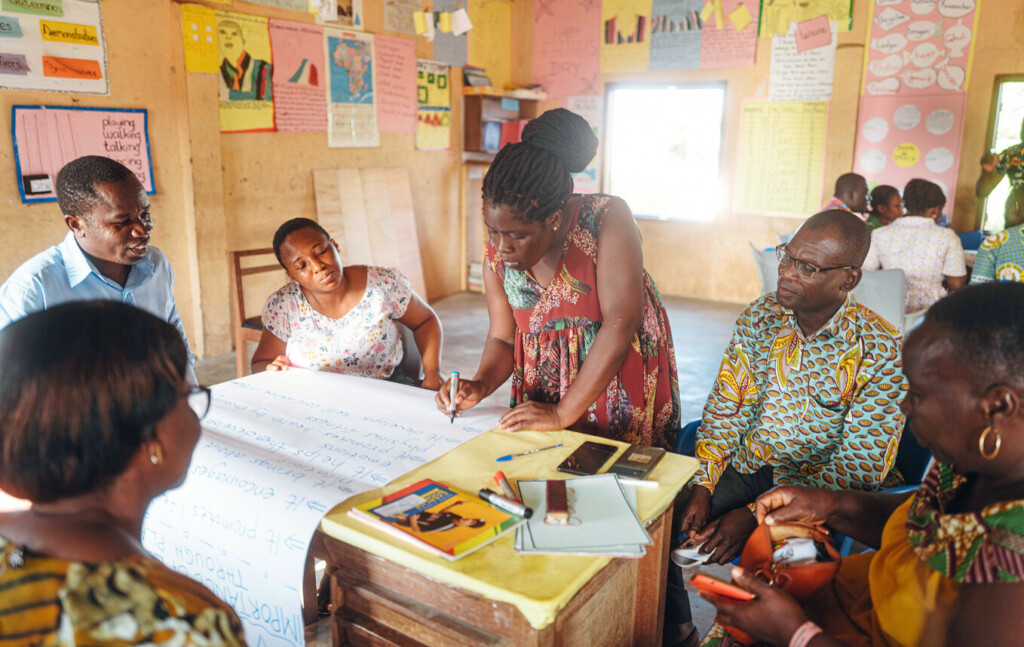
educators chatting in classroom


Services


Improving access to education and skills development

  • Expanding access to education and training opportunities, particularly for girls and vulnerable young people, by working on barriers to access and creating safe, inclusive and healthy learning environments.
  • Promoting gender-transformative approaches in education and skills development.
  • Supporting the rehabilitation and construction of eco-responsible schools and training centres to ensure sustainability and resilience.

Improving the quality and relevance of education and skills development

  • Identify skills needs in relation to current and future employment opportunities.
  • Reform school curricula and modernise training programmes to to align them with new technologies, emerging sectors, and private sector demands.
  • Introduce STEAM (Science, Technology, Engineering, Arts and Mathematics) as a learning model that fosters creativity, critical thinking and innovation.
  • Integrate the green transition by promoting climate education, green skills and green jobs.
  • Facilitate the digital transition by strengthening digital literacy and job-specific digital skills to enable participation in the digital economy.
  • Promote learner-centred teaching methods and work-based learning by integrating practical experience into training programmes.
  • Encouraging public-private partnerships to improve the quality and relevance of education and training provision.
  • Invest in the professional development of teachers, including initial training and continuing professional development, to enable them to keep abreast of the latest developments.

Strengthening education and skills development systems

  • Supporting policy development in areas such as decent work, skills funding and green education.
  • Strengthen monitoring and evaluation systems within education and training structures.
  • Consolidate school management structures to ensure transparency, inclusiveness and accountability.
  • Setting up Centres of Professional Excellence as hubs for partnerships, quality improvement, governance and sustainable funding.

Experience

Regional initiative for teachers in Africa.

Enabel is contributing to the Regional Teachers’ Initiative in and for Africa (RTIA), a flagship initiative of the European Union’s Global Gateway. It aims to improve learning outcomes and the socio-emotional development of children in sub-Saharan Africa by strengthening the teaching profession.

Belgium is supporting this ambition with additional funding for the Teach2Empower project, which aims to enable young Africans to become critical and responsible citizens, capable of shaping green, digital and egalitarian societies, in particular by strengthening the professional skills of teachers.

Find out more

Strengthening girls’ education in Niger

The Sarraounia 2 project promotes gender-transformative education by creating inclusive, quality school environments. It also combats early pregnancy and gender-based violence, while strengthening community and institutional support for education.
It is active in five communes in the Dosso region, where it is improving school retention and success – particularly for girls – and building the capacity of teachers, families and local authorities to ensure equitable learning conditions.

Find out more

Developing the green economy in Uganda

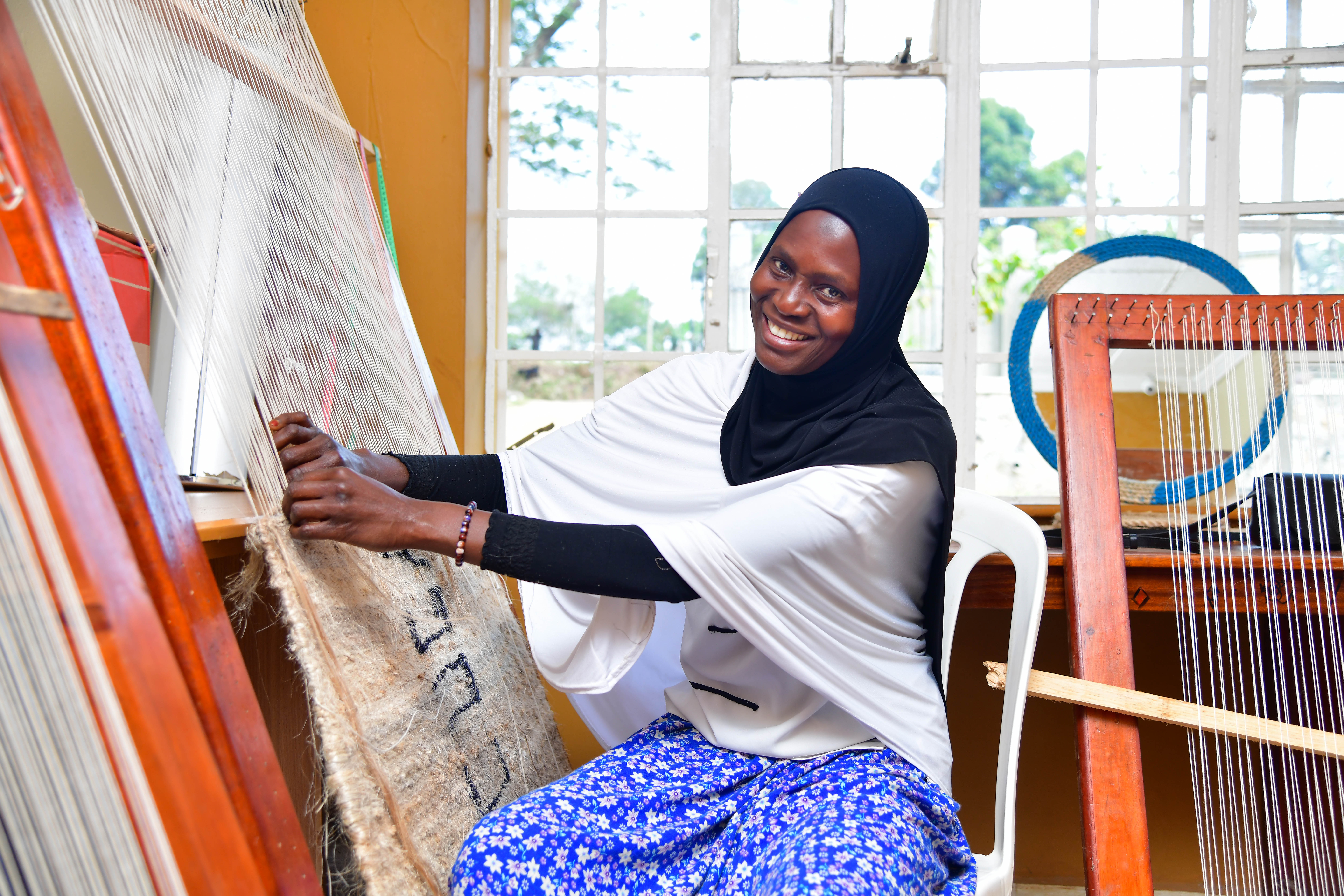
Funded by the European Union and Belgium, the WeWork project is boosting the employability of more than 6,500 vulnerable young people and women by developing their skills in agriculture and the green economy. Thanks to an integrated approach to the labour market, it acts on both supply and demand: promoting technical and vocational education and training, supporting entrepreneurship and business development.

The project supports nine vocational training centres and is mobilising 1 million euro of private investment to improve the quality and sustainability of jobs.

Find out more

Connecting professional skills to market needs

The Team Europe Initiative Opportunity-driven Skills & VET in Africa, funded mainly by the European Union, links skills development and vocational training to investment in the Global Gateway’s priority sectors – digital, health, transport and climate/energy – to align training with economic opportunities.

Enabel plays a key role in this by piloting an on-demand expertise mechanism, which enables countries to rapidly call on experts for targeted assignments (assessments, curriculum reforms, partnerships), in order to strengthen TVET systems and improve the quality of training. Enabel also supports regional exchanges and public-private partnerships to ensure a better match between the training on offer and the needs of the labour market, as identified by investors.

Find out more

Related content

Stay informed

Keep up-to-date with our latest activities and international development trends from a Belgian perspective.

Newsletter

"*" indicates required fields

This field is for validation purposes and should be left unchanged.