Pigs do fly as boar semen takes to the skies in Rwanda
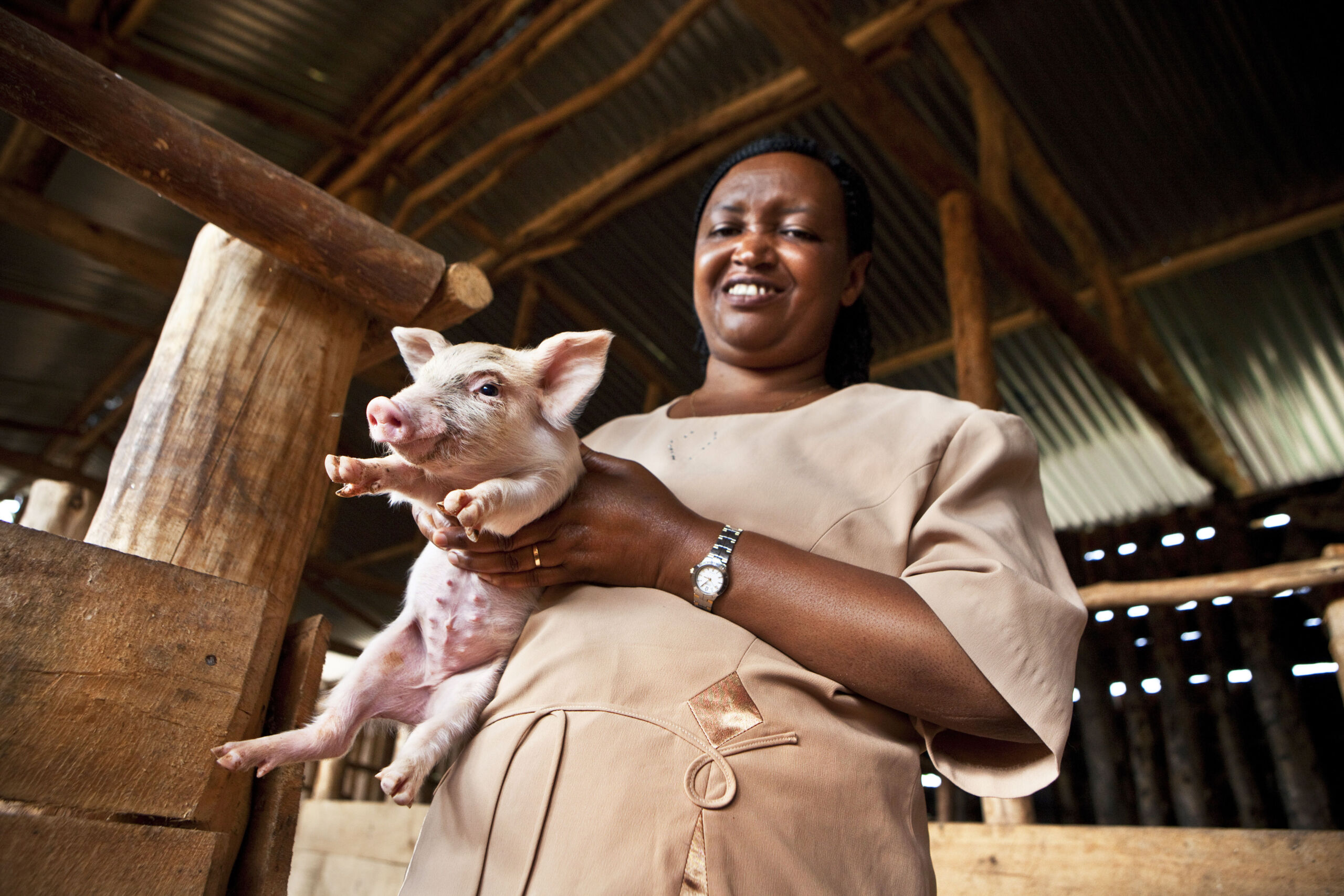
An Enabel-supported project in Rwanda that uses drones to deliver pig semen to vets throughout the country is bringing new meaning to the saying, Pigs might fly.
According to Rwanda’s 2020 Agricultural Household Survey, the country’s pig population is estimated at 1.2 million and pig farming has become a profitable business. Driven by technology and innovative breeding methods, farmers have adopted Artificial Insemination (AI) to produce new and highly-productive pig breeds, improving the quality of pork on the local market while boosting their earnings in return.
Artificial Insemination of sows with the semen of high genetic merit boars is a key factor in improved genetics in Rwanda’s pig population, with increased meat yields being a major benefit. Through Enabel in Rwanda’s agriculture project, Partnership for Resilient and Inclusive Small livestock Markets (PRISM), which focuses on pig and poultry value chain development, the Rwanda Agriculture and Animal Resources Development Board (RAB) has set up AI centres across the country.
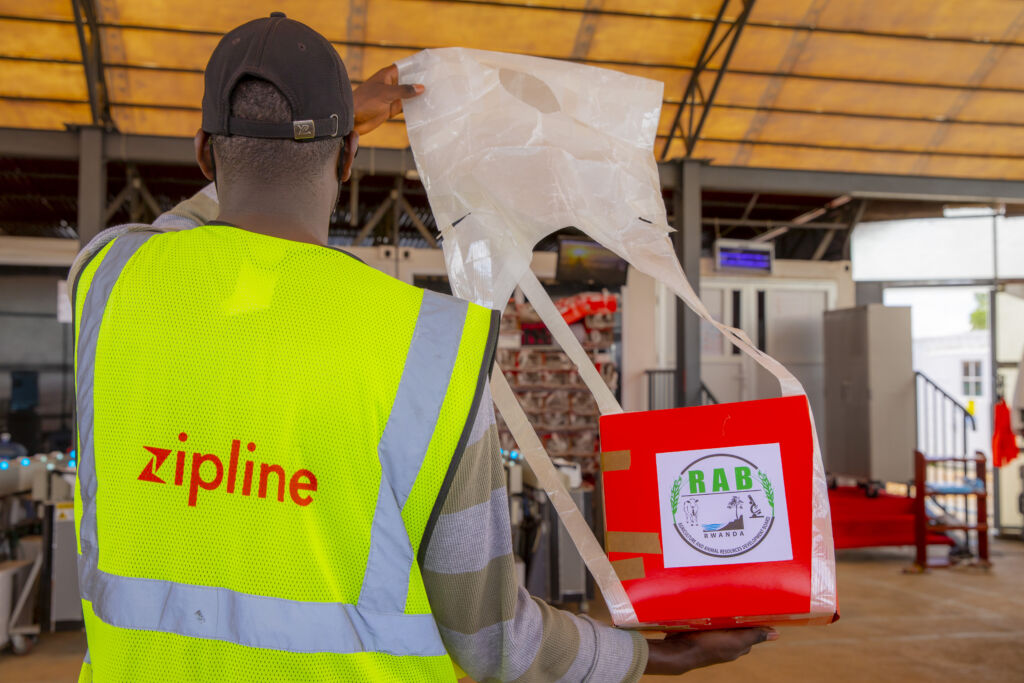
More than 85 000 euro was allocated for the establishment of the first pig artificial insemination centre in Muhanga District in the southern province of Rwanda. RAB then partnered with Zipline Rwanda, a high-end technology company known for delivering blood and blood cells to hospitals around the country by drone, to include Swine semen distribution in their delivery packages.
Before the creation of the transportation facility, AI in pigs was impossible as pig semen has a shelf life of less than seven hours. Pig conception would fail as a veterinary doctor would have to make a long journey to RAB headquarters to get the semen. Often, by the time s/he would return to inseminate the pig, it was no longer in heat. In addition, a farmer would have to pay Rwf 3,500 (about 3 euros) for pig semen, plus the veterinary doctor’s transport fees to and from RAB headquarters. The transport fees are now paid by the government as subsidies to help farmers.
A different AI
Inseminators in Rwanda are professional veterinary doctors and, to date, 500 have been trained in AI. The partnership between RAB and Zipline has made it easier for them to access fresh and preserved quality semen from modern boars through rapid transportation by drones.
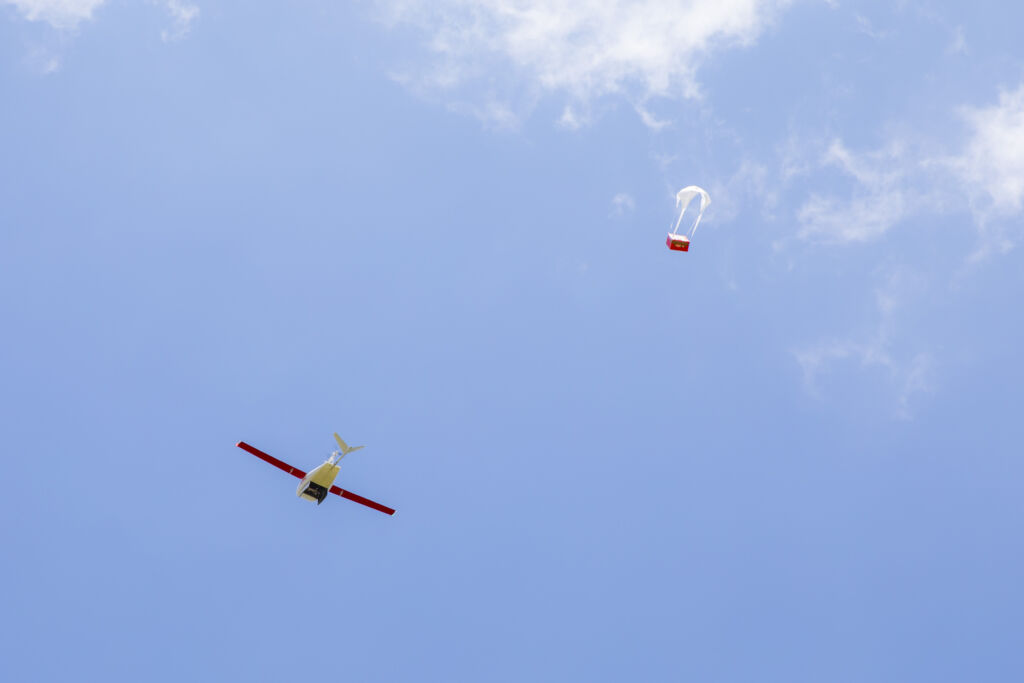
At the drone airport, there is a customised compartment equipped to store well-packaged semen from the National Centre for Swine Semen Collection. Delivery is made upon request, and a drone takes off from the airport with a 2 kg box containing flacons of semen, which it can deliver to a distance of around 80 km in less than 30 minutes. There are currently two Zipline sites that use drones to supply pig semen to 300 veterinary doctors per day, one in Muhanga District in the Southern Province and another in Kayonza District in the Eastern Province.
Around the world, the use of Artificial Insemination in pigs has increased significantly. By eliminating direct contact between the male and female during mating, the risk of disease spread is reduced while the ability to evaluate sperm quality ensures the success of fertilisation, among other benefits.
Since the adoption of AI in pigs, 6 AI centers have been strengthened and operational and the Rwandan government has invested in optimizing the animal’s reproductive performance. The latest report shows that 10,073 pig semen doses were produced in these 6 facilities from July to December 2022, of which 9,404 were delivered to farmers across the country through the Zipline drone. The success fecundity rate was 85% per dose, which means that those 9,404 doses were able to make 79,934 AI piglets to increase the number of pigs in Rwanda.*
Farmers reap rewards
“We no longer need to order high merit boars, as the centre provides semen for all breeds. Pig AI Technology has improved my sows’ health. Inseminated pigs give birth to many healthy piglets which are ready to be slaughtered in six months, whereas before, we would rear piglets which would only attain maturity weight at one year old. Also, we no longer lose money on treating the animals as they are more resistant to diseases.” said Jean Claude Shirimpumu, a pig farmer from Gicumbi District.
Since the project began, Muhanga Zipline Center has sent around 12,000 doses of pig semen to various farmers across the country. Providence Manikuzwe, the project coordinator in charge of delivering pig semen by drones at Zipline, said that strict coordination is required in delivering the semen to farmers. “After RAB technicians send us the pig semen, we keep it in our special cold stores until a veterinary doctor with an order from a farmer calls RAB to request it. RAB tells us the quantity needed then we immediately send a drone that delivers the semen to the vet in minutes,” Manikuzwe said.
“Piglets from an inseminated pig grow faster than those born from a female pig mated by a boar. They also have a high level of body immunity and feed conversion rate. There is an 85 percent success rate with a well-done insemination,” says Dr. Claire d’André Hirwa, Monogastric Programme Coordinator at RAB.
*RAB report (July-December 2022)