How Niger’s dairy industry is addressing the challenge of meeting local demand
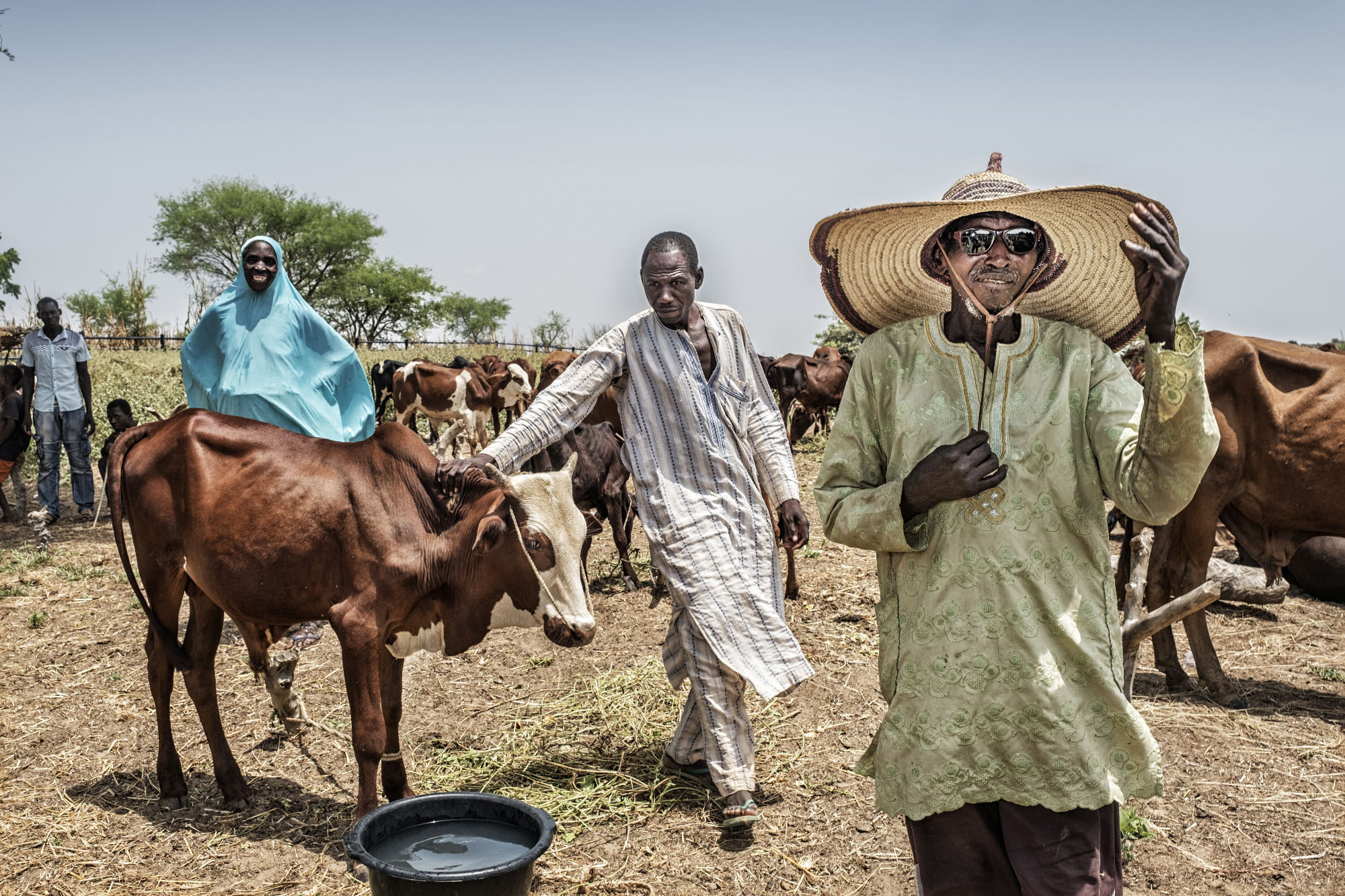
How to meet local demand for milk year-round? This is the challenge faced by Niger’s dairy industry, which falls short of demand, although its output is on the rise. The solution lies with the collection centres and dairies, the key players in the milk sector. Find out how the sector is gradually becoming more professional.
In 2022, Enabel supported a project to improve local milk production in south-west Niger. The project has three components:
- Restructuring and upgrading Gaya Dairy, an industrial milk processing plant
- Building and equipping four milk collection centres, two of which will supply Gaya Dairy
- Building and equipping three mini-dairies in Doutchi, Konni and Tahoua.
The project objective? To increase dairy productivity in the region, improve margins for farmers and stimulate job creation for young people and women. Enabel is also helping to set up a brand of fairtrade dairy products under the FairNiger label, in collaboration with Oxfam and Faircoop. This will further promote a sustainable economic model, with a vital role for local milk producers.
Market situation: supply does not meet demand
In Niger, 50% of national needs are covered by imported milk and dairy products. Although milk production is increasing, local demand remains unmet.
80% of imports consist of cheap milk powder from Europe, Asia and Latin America, which have surplus production. Urban consumers in particular prefer these imported dairy products, often because of a lack of choice. In fact, 80 to 85% of the milk processed in Niger’s towns is made from milk powder. This phenomenon is reinforced by the government’s tax policies, which favour milk powder and make it cheaper than local milk.
As a result, local milk is currently almost twice as expensive as milk from milk powder. The problem is therefore twofold: local production is falling short of demand, but even if production met demand, part of the population would have difficulty buying it.
Why isn’t local production competitive enough?
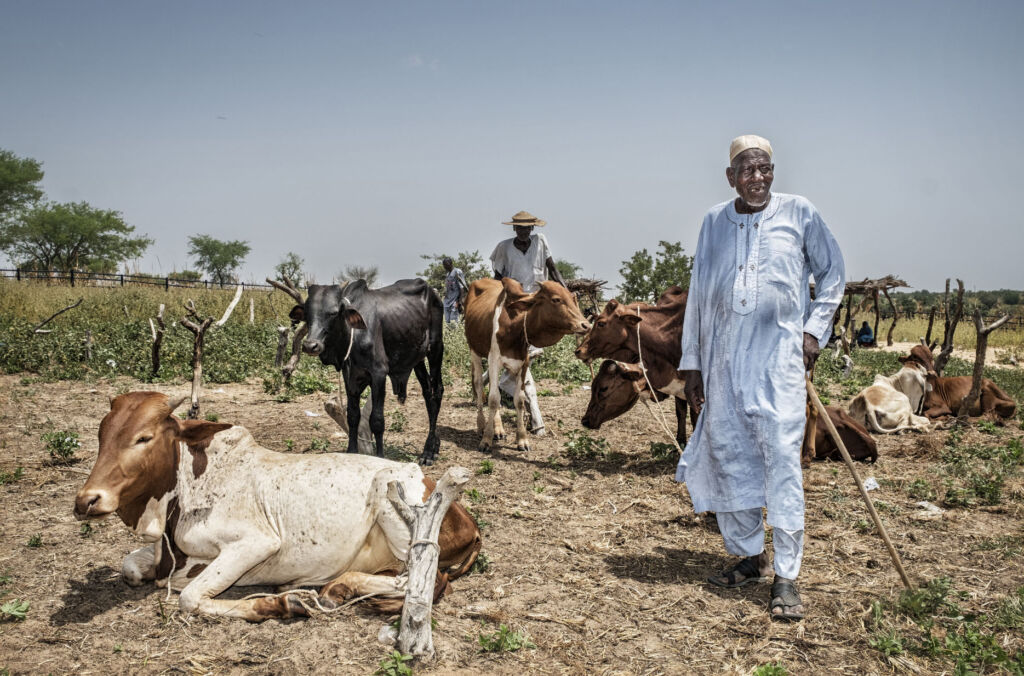
Why can’t the local dairy industry offer enough affordable milk, with Niger having more than 48 million head of cows, sheep, goats and camels – almost twice the human population? The reasons are many:
- Livestock yield: a cow produces an average of 1 to 3 litres of milk a day in Niger. By way of comparison, a dairy cow in France produces an average of 28 litres of milk a day, 10 months a year*. In other words, there are enough animals in Niger, but their yield is low. And it varies from year to year.
- The seasonal nature of production: During the rainy season, production is much higher than the rest of the year.
- Producers are widely dispersed, making collection difficult and costly.
- A poorly developed marketing network: Because collection is complicated, there is little milk to market. As a result, most of the milk produced in rural areas is consumed locally. And the fact that it is not collected, does not incentivise to boost production or yields. In short, it is a kind of vicious circle.
Obviously, all these factors are linked and reinforce each other. The inadequate development of the dairy industry represents a twofold challenge for the country. On the one hand, it represents a real loss of earnings in economic and employment terms. On the other hand, there is the food self-sufficiency challenge. Especially as demand for dairy products is expected to rise sharply in the future, due to population growth and increased per capita consumption.
Despite their low purchasing power, Nigeriens would like to consume more local milk, as it has better nutritional qualities compared to imported milk powder. That is why the Gaya Dairy and collection centres project is so important. In addition to the commercial aspect, also increased yield and quality of milk is targeted through genetic improvement, better rearing conditions (feed, animal health, etc.), improved hygiene and packaging standards, etc.
How does the Gaya Dairy operate?
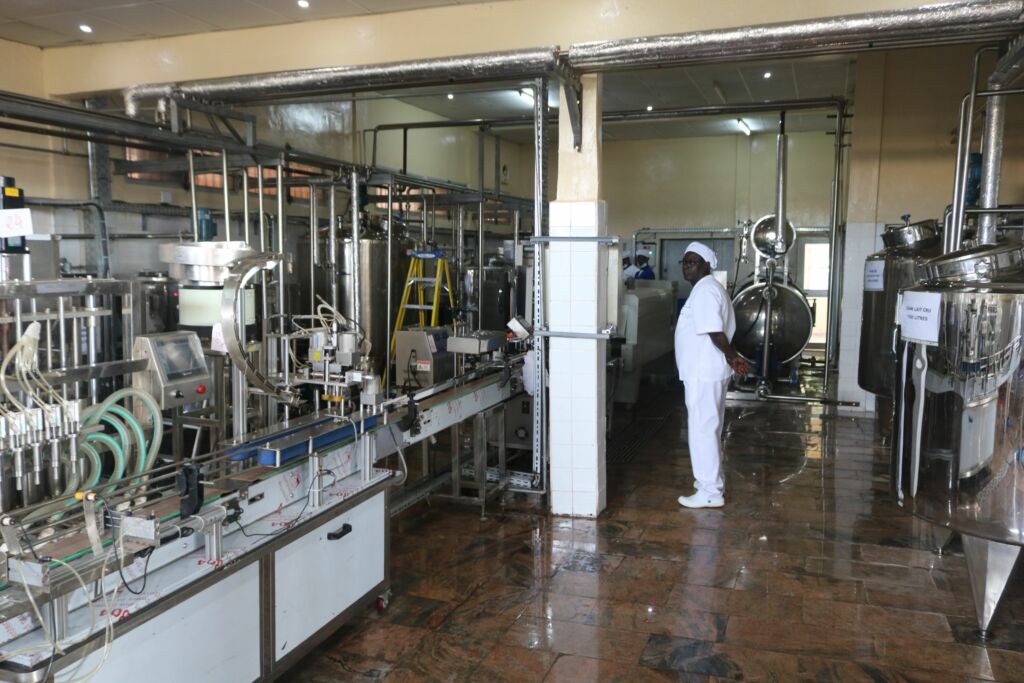
Gaya Dairy produces a range of dairy products from raw milk collected from farmers and collection centres. Its production capacity is estimated at an average of 2,500 litres a day. Its flagship products are yoghurt and fresh pasteurised milk – and, in future, UHT milk. These are sold on the local market, but Gaya Dairy hopes eventually to reach the nearby border markets of Benin and Nigeria.
The Dairy will be rehabilitated through:
- the construction of a production hall and an administrative block
- provision of collection equipment (cans and buckets) and production equipment
- the purchase of 2 refrigerated lorries and a generator for electricity
- a connection to running water
But the dairy still needs to be regularly supplied. To this end, two milk collection centres have been set up to supply Gaya Dairy.
The key role of the milk collection centres
The centres collect and/or receive raw milk from producers, check its quality and sell it to the dairy for processing.
Each milk collection centre has a production hall, a livestock feed bank with a capacity of 200 tonnes and collection equipment. They are powered partly by solar energy and partly by a generator.
The centres are managed by dairy cooperatives. They provide farmers with a regular source of income and offer advice on improving herd health and milk quality. In addition to the two collection centres linked to Gaya Dairy, two other collection centres and three mini dairies have been built in other dairy production basins.
Strengthening food security and creating jobs
The Dairy was inaugurated in October 2022 by Belgium’s Minister of Development Cooperation, Meryame Kitir and Niger’s Minister for Livestock, Tidjani Idrissa Abdoulkadri.
“As Minister for Livestock, I will spare no effort, together with the ministries and institutions of the partner State, to make this cluster more viable for the benefit of the beneficiary populations. The many ways in which Belgian Development Cooperation supports our production system are aimed at improving food security and food quality, as well as creating jobs for women and young people” Tidjani Idrissa Abdoulkadri, Niger’s Minister for Livestock.
Developing the milk sector is an essential objective if we want to improve food security in Niger. Dairies and collection centres are helping to boost the local milk industry. But they still lack substantial investment. Through projects like Gaya Dairy we want to contribute to a food solution based on local, quality products.