News
10 May 2026
Why the energy transition cannot wait any longer
The energy transition is key to sustainable development, particularly in Africa, where almost 600 million people still have no access to electricity.
Beside a social issue, it is also an environmental one: the energy sector accounts for more than three quarters of global greenhouse gas emissions. Supporting a just energy transition therefore means simultaneously addressing climate, demographic and social challenges, while opening up prospects for low-carbon economic development.
A public health challenge
Cooking kills. In sub-Saharan Africa, almost a billion people still use polluting fuels (firewood, charcoal, etc.) for cooking. The resulting pollution from households causes around 815,000 premature deaths every year, mainly affecting women and children.
Clean cooking is therefore an essential pillar of a just energy transition, as well as a growing market opportunity for climate action and inclusive growth. Deploying clean cooking solutions (natural gas and green electricity) on the continent would require only a fraction of global energy investment, while generating considerable benefits for public health, gender equality and the climate.
Enabel supports its partner countries in strengthening the public policies, markets and skills needed to develop viable, replicable solutions.
In Mozambique, this transition is already underway: clean cooking is part of the national energy transition agenda. Enabel is working with the government to put in place clear regulatory standards, setting thresholds for energy efficiency and emissions.
These standards protect households from dangerous technologies while boosting the confidence of private investors. The reform of public policies thus becomes a lever for creating a secure and attractive market: accelerating access to these solutions means improving the health of families, supporting SMEs, strengthening carbon financing and creating jobs for women and young people across the continent.
In Côte d’Ivoire, we are supporting the improvement of policies, SME financing, innovation, the development of local businesses and the setting up of a one-stop-shop desk for information on clean cooking.
A lever for economic development
The energy transition is creating opportunities for economic diversification and jobs in green economy value chains, including renewable energy, energy efficiency, e-waste management and green hydrogen.
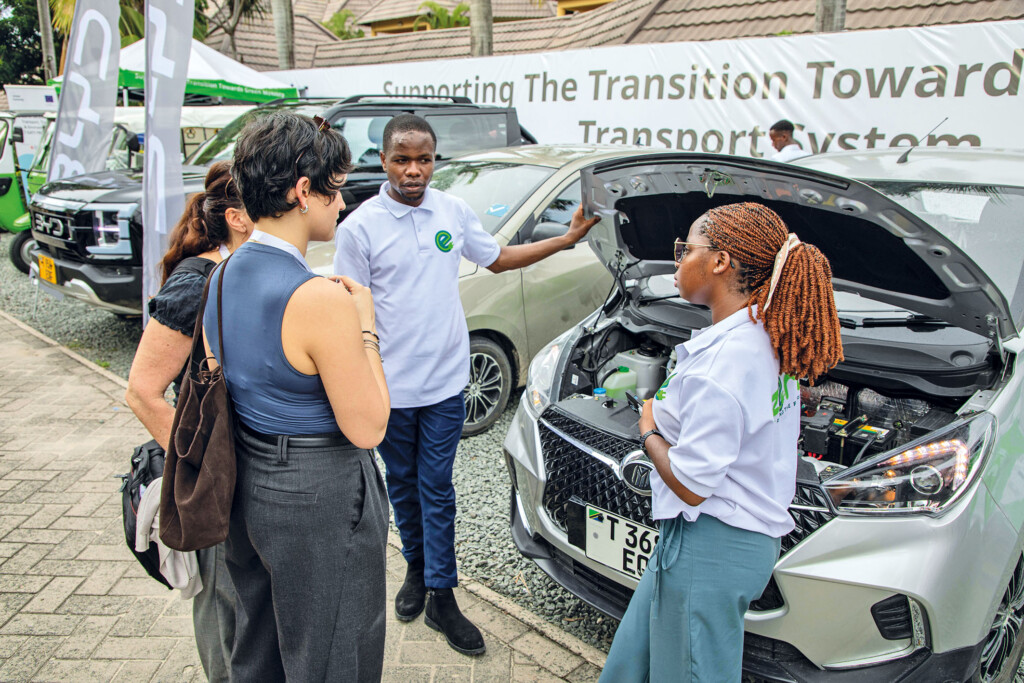
In Tanzania, Enabel and UN-Habitat are supporting the development of the light (2 and 3-wheel) electric vehicle sector by creating conditions for sustainable investment. In particular, Enabel is working with TAEMA, the Tanzanian e-mobility association. We also collaborate with the University of Dar es Salaam to adapt training courses to the future jobs of electric mobility – because without a skilled workforce, there can be no green transition.
In Senegal, Enabel supports access to solutions tailored to local economic activities, particularly in rural areas. We are also working on the end-of-life of solar equipment, assessing the need for dismantling, recycling and waste management.
In Côte d’Ivoire, Enabel is structuring sectors around the recovery of agricultural residues and the production of alternative fuels.
The agency also provides technical and financial support to SMEs and entrepreneurs. Finally, we stimulate an attractive business ecosystem by consolidating entrepreneurial networks and removing obstacles to financing.
Mobilising climate financing
At the second Africa Climate Summit, held in Addis Ababa (Ethiopia) in September 2025, the financing of the energy transition took centre stage. Among the financial mechanisms highlighted are carbon markets, which have been identified as strategic levers for supporting the implementation of governments’ climate commitments. They can mobilise additional resources to support clean energy, clean cooking, reforestation or sustainable agriculture projects.
Enabel therefore supports the strengthening of climate frameworks and the institutional capacities needed to access these mechanisms.
At the Summit, Belgian Minister Jean-Luc Crucke stated: “Carbon markets must serve Africa’s ambitions. Belgium, as a member of Team Europe, is ready to support this vision.”
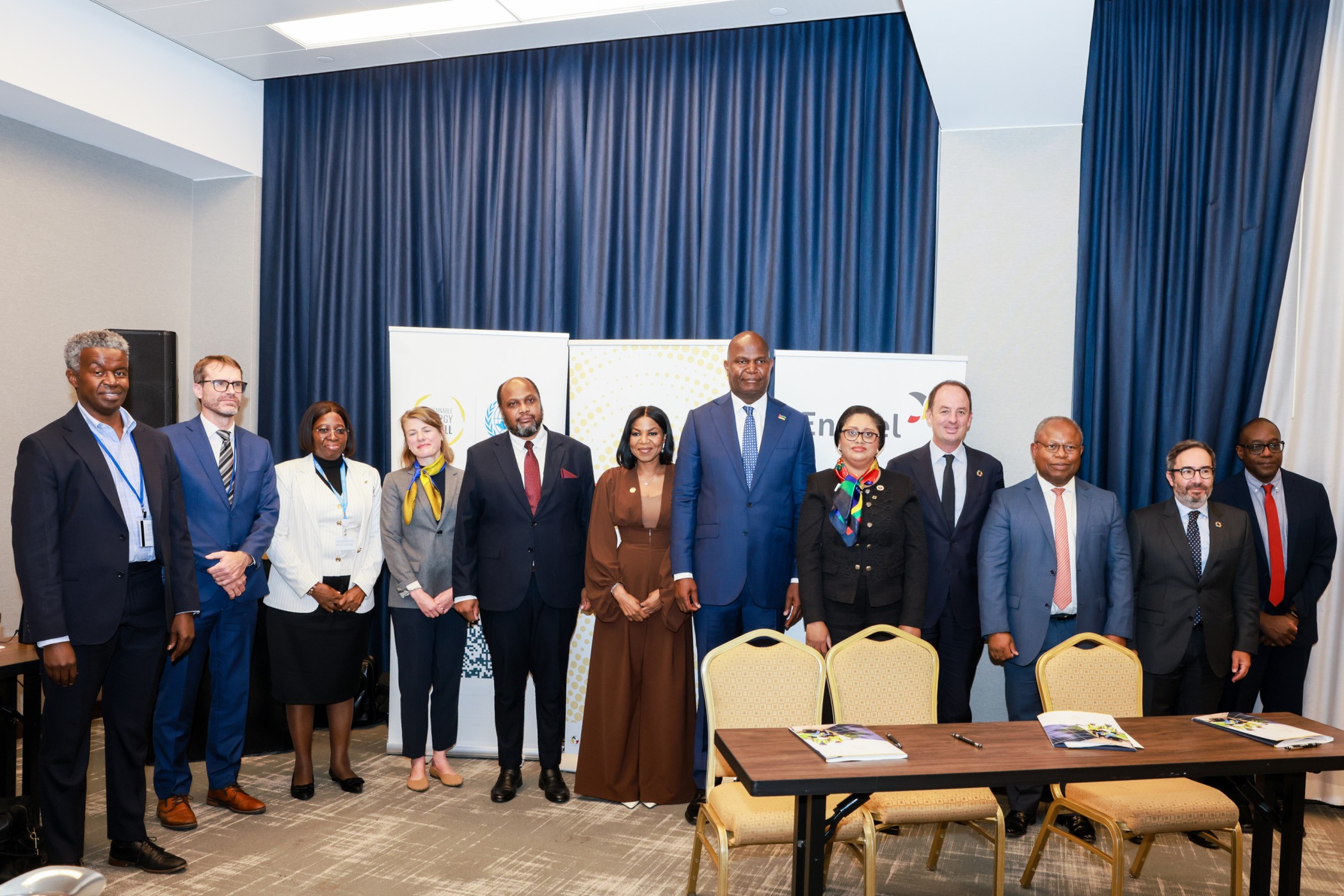
Among sources of funding, the Green Climate Fund is the world’s leading climate finance mechanism. Following Enabel’s accreditation with this Fund in 2019, the agency signed, in March 2026, the financing of a project in Mozambique for 42 million euros, aimed at strengthening climate resilience and broadening access to energy in rural areas.
The project will develop access to clean, affordable energy via solar mini-grids and support the productive uses of energy (agricultural processing, cold chains, crafts, irrigation and solar-driven pumps) while strengthening national institutional capacities. It will directly improve the living conditions of more than 65,000 Mozambicans.
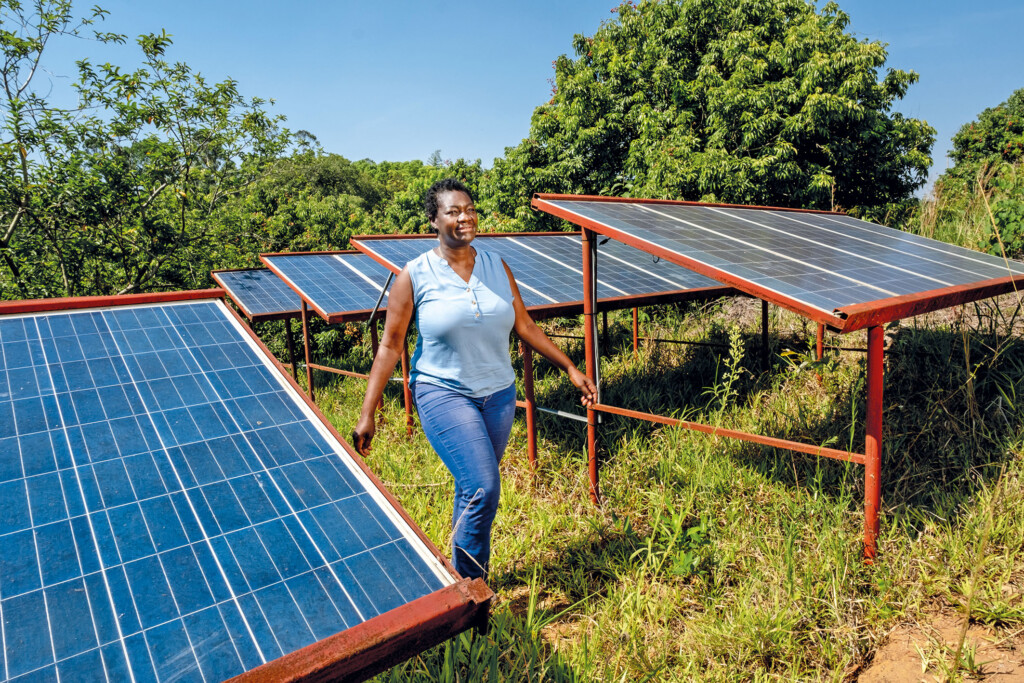
through a solar pumping installation.
In addition, in 2026 Enabel will be able to mobilise part of the revenue from the European Emissions Trading Scheme (ETS) to support an action in Namibia, in connection with the development of the green hydrogen sector and a low-carbon economy. It includes preparing the Walvis Bay port infrastructure to accommodate and secure future green hydrogen value chains, as well as vocational training in the renewable energy and hydrogen sectors.
By acting as a facilitator, Enabel is helping partner countries to transform ambitious climate and energy strategies into bankable projects, in the service of a low-carbon economy.