News
10 June 2026
Between ideals and systems
Interview with Théodore Gallez, former Junior Expert at Rikolto in Senegal
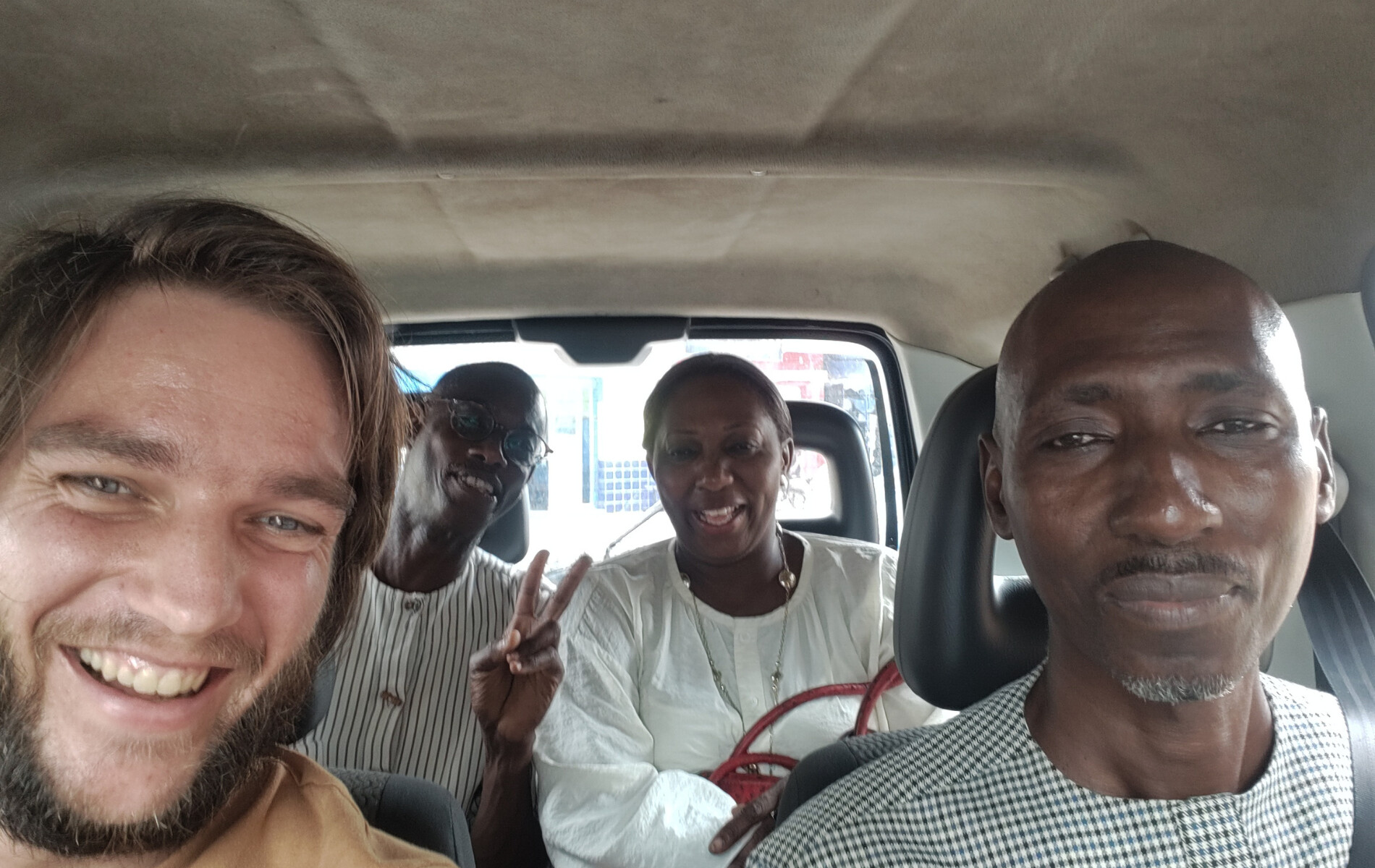
Théodore’s career path combines science, social economy, and personal reflection. What began as a technical education gradually evolved into a strong interest in (agricultural) systems, power dynamics, and the question of how real change actually happens.
During his studies, Théodore quickly found himself at odds with the dominant logic of the agro-industrial world. Although his training in agricultural sciences gave him a solid scientific foundation, he felt increasingly disconnected from the highly technical lens through which agriculture was approached and from the industrial mindset behind it.
“The term itself: ‘industrial engineer in agriculture’, doesn’t make sense. Agriculture isn’t a factory. It’s about food, about life, about the farmer’s social context. Yet I was trained as if it were mainly about machines and productivity.”
Discovering agroecology came as a breath of fresh air. For the first time, Théodore encountered an approach that doesn’t separate agriculture from nature and society.
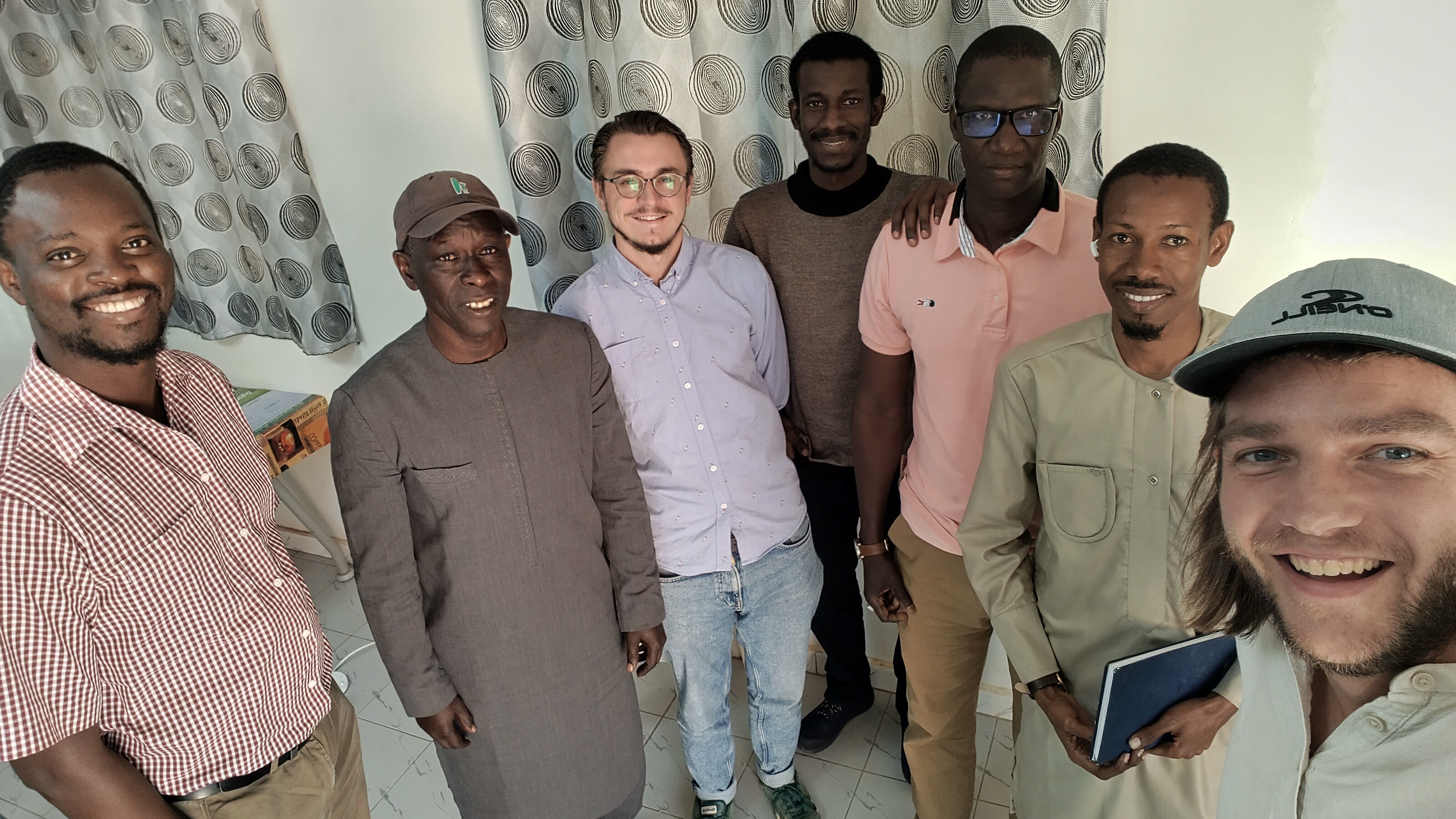
From engagement to the field
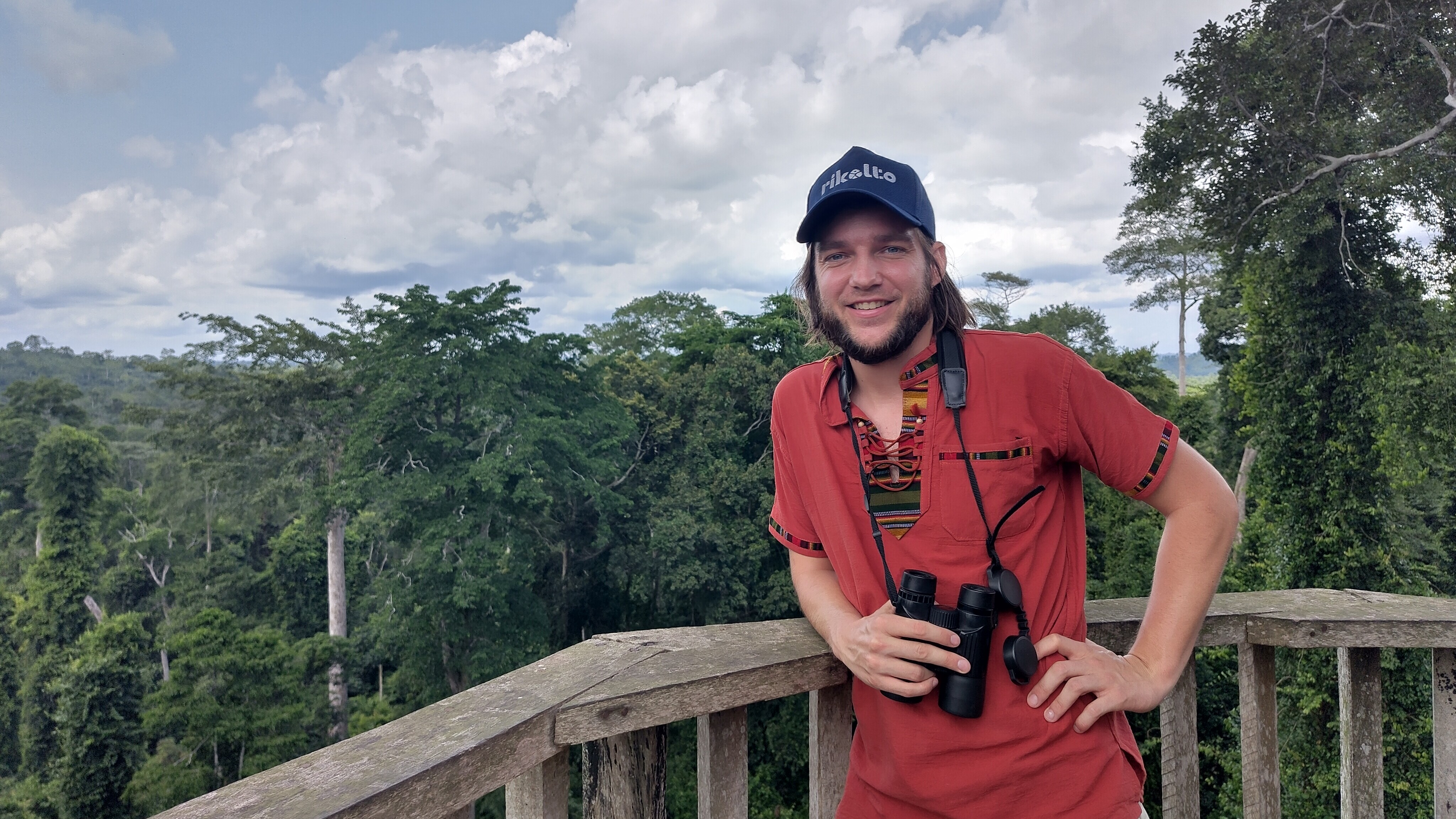
His search for ways in which farming communities and nature can work together led him to Oxfam, where he spent four years working on fair trade and sustainable consumption. There, he worked closely with volunteers, local groups, and municipalities, and saw how citizen engagement can have political impact.
It was also where Théodore developed his belief in collaboration between citizens, governments, and organisations. At the same time, he gained insight into how organisations operate, and the limitations they impose on themselves. After a trip to South America, he decided to pursue different ambitions.
At that moment, the Junior Programme came into view, not as a superficial introduction to the sector, but as a learning environment centered on responsibility. The programme combines working in complex contexts with space for reflection and adjustment. That was exactly what Théodore was looking for: a chance to deepen his commitment in a setting where there is room to experiment.
Junior Expert in Senegal’s rice sector
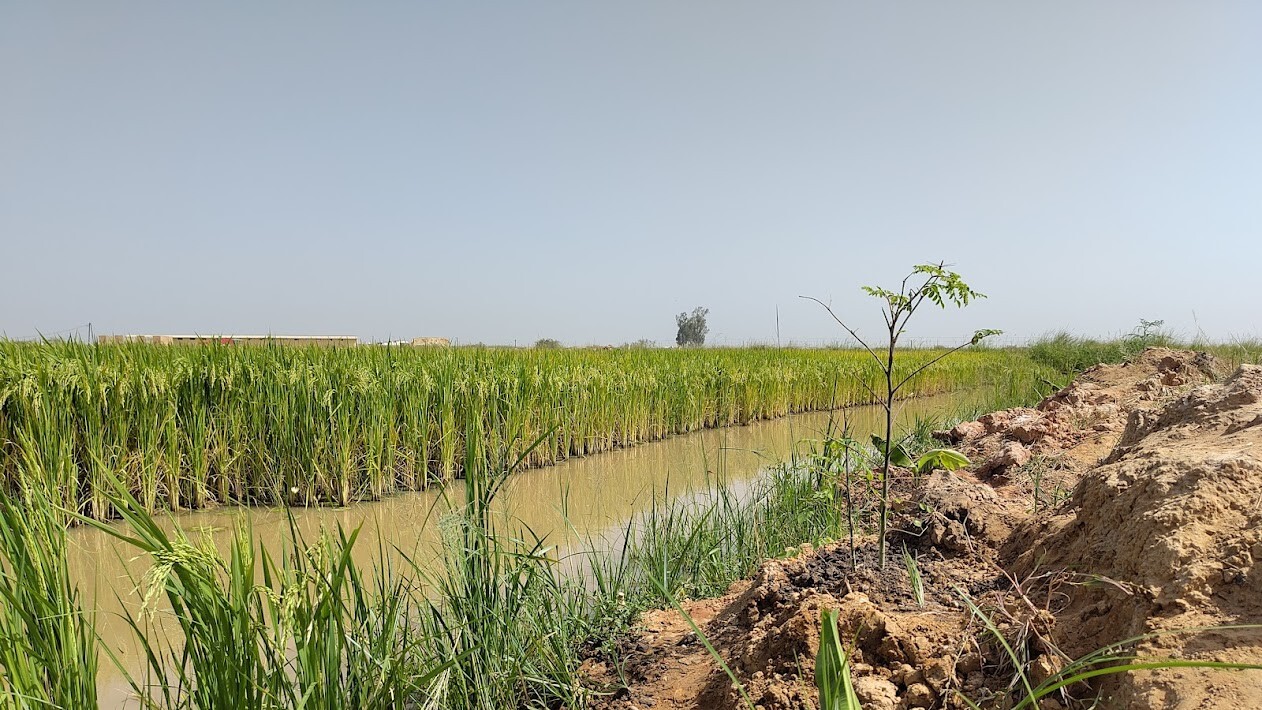
At Rikolto in Senegal, he took on a multifaceted role. He supported the West Africa director and worked alongside the Fédération des Périmètres Autogérés (FPA), a large rice federation in the north of the country. The federation represents thousands of farmers but struggles with structural challenges such as low productivity, limited market access, and persistent debt.
“My main role was to strengthen our partner,” Théodore explains. That doesn’t mean making decisions himself but rather setting up processes and connecting different actors. He quickly came face to face with the reality on the ground. “When I arrived, many farmers were at the end of a debt cycle. They no longer had access to credit to start a new season. It was really alarming.”
The causes, he found, were complex and deeply intertwined. The price of paddy rice is set by the state, but yields remain low due to outdated irrigation systems and limited technical support. “Without yields, there’s no profit, and without profit, no investment,” Théodore explains. “The system locks itself in place. Our role was to help unlock it: improving agronomic support, facilitating access to credit, and increasing transparency between farmers, the federation, and private sector actors.”
Building trust step by step
Together with local partners, Théodore helped facilitate dialogue between farmers, a local bank, and a rice-processing company. The aim was not only to improve production, but also to build transparency and trust along the value chain. The first seasons yielded mixed results. While production remained low, the data collected helped reveal, for the first time, where things were going wrong. This insight became the basis for adjustment and strengthened collaboration.
Over time, the partnership grew, both in scale and in trust. When a private company decided to set up its own agronomic support unit, Théodore saw this as a key milestone: responsibility was shifting from a project-based approach to a more permanent structure that could continue beyond the lifecycle of the project.
When structures fail, everything stalls
Still, the collaboration remains fragile. The federation has not held a general assembly for years, which undermines its internal legitimacy. For Théodore, this was a crucial lesson: sustainable agriculture is not only about seeds and water, but also about organisation and governance. “If internal structures don’t work, everything else gets blocked.”
NGO mandates leave little room to intervene directly at that level, as internal restructuring of partner organisations is often not eligible for funding. This forced him to work indirectly, through local structures and slow processes, an exercise in patience that is typical of the Junior Expert learning journey.
Women, rice, and economic opportunity
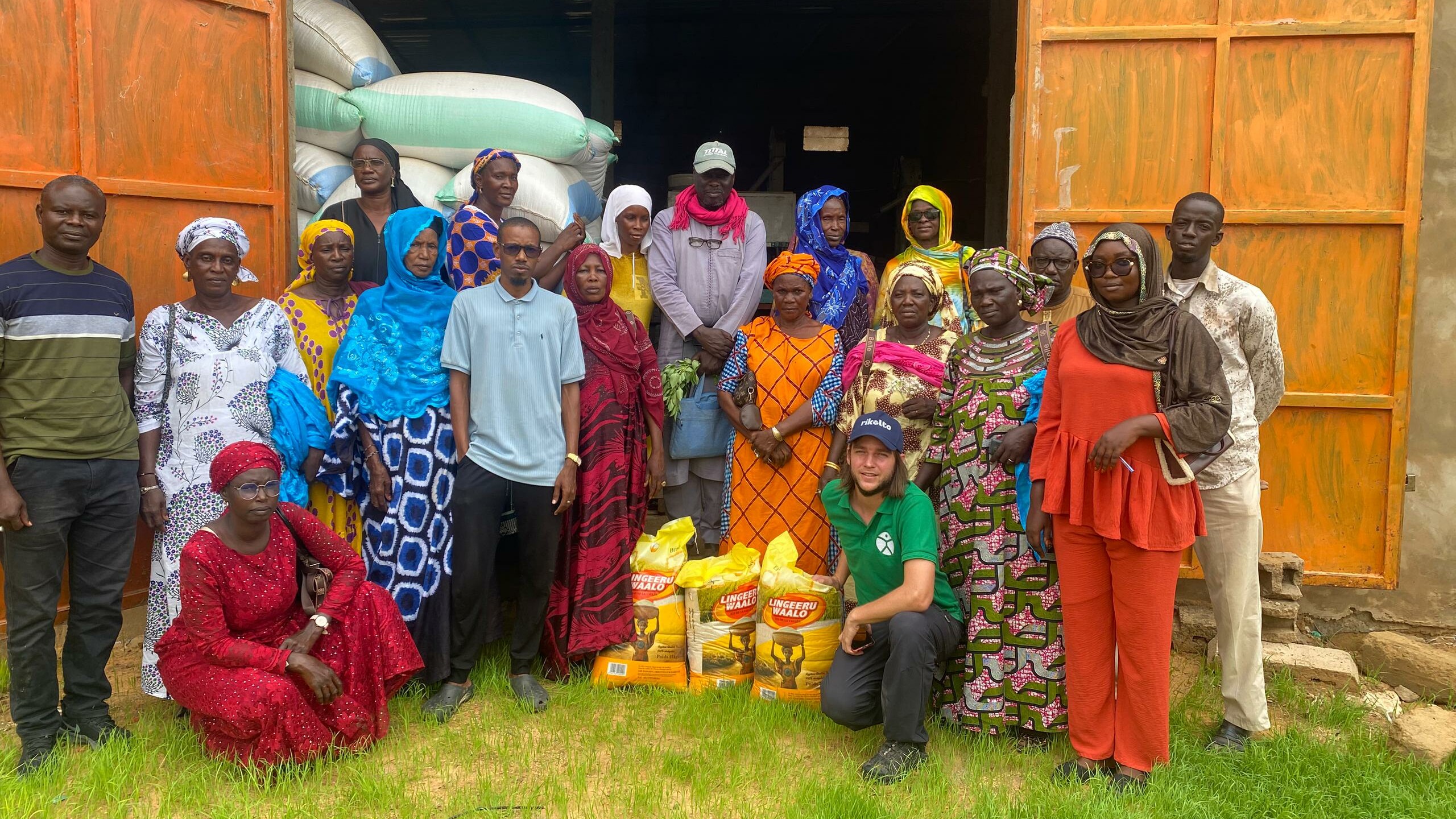
Another smaller but meaningful project Théodore was involved in focuses on women working in rice processing, particularly in the production of parboiled rice (riz étuvé). It combines economic and social objectives, strengthening women’s position within the value chain. “When women earn an income, it often goes towards education, healthcare, and their children,” he notes. A practical observation that, in his view, shows how economic choices have direct social consequences.
Collaboration requires trust
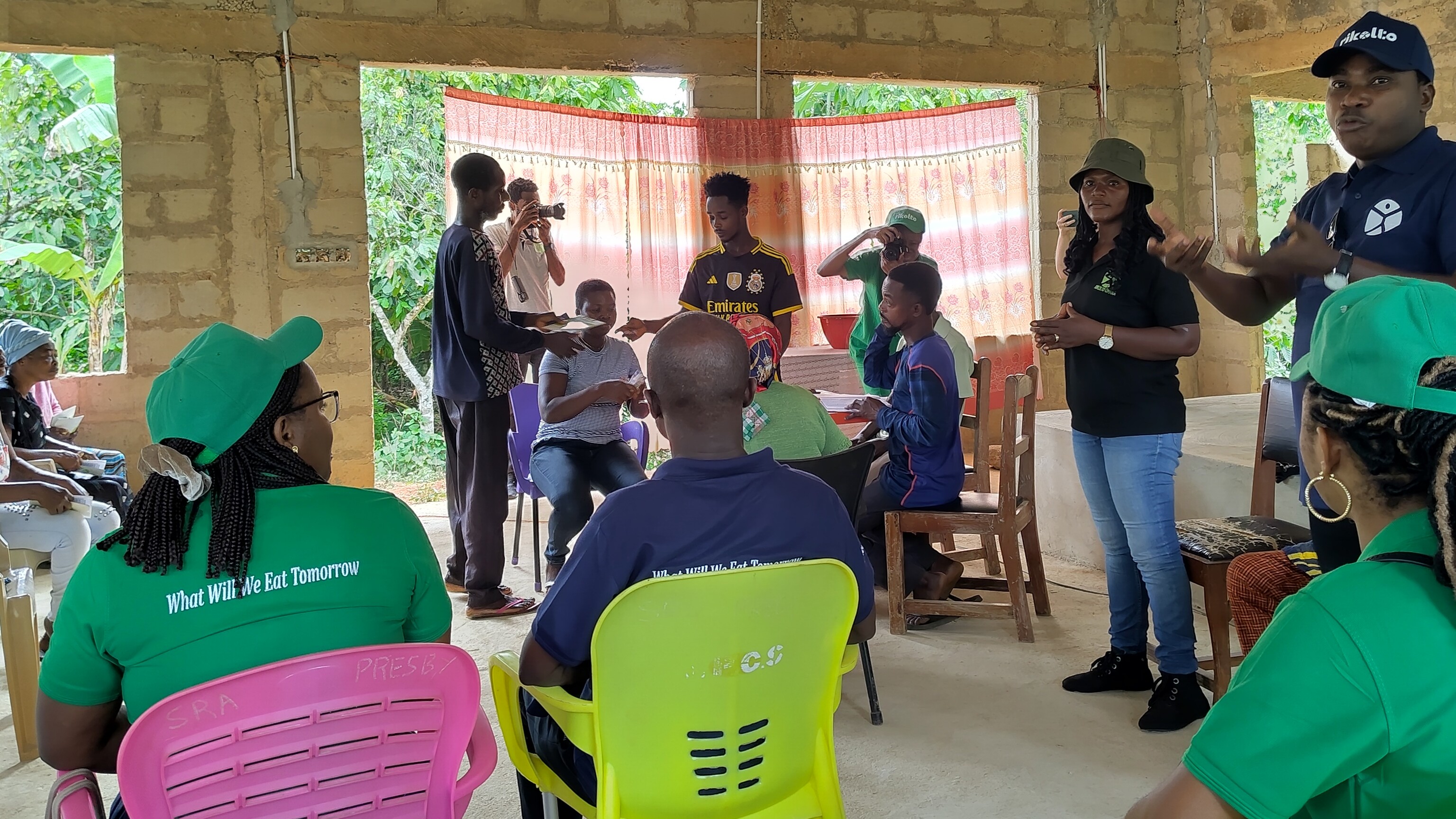
Within the Rikolto team, he also experienced that collaboration is never automatic. Different work rhythms, routines, and expectations can clash, and introducing shared digital tools requires time, patience, and dialogue.
Through this, he learned to take a step back. “It’s too easy to explain everything through a cultural lens,” he says. Behind many tensions, he sees more universal dynamics: fear of losing control, the need for recognition, and a lack of trust.
An idealistic sector, a complex reality
As his assignment progressed, Théodore developed a more critical perspective on the sector. Impact is often tangible, but difficult to measure. “The biggest challenge,” he says, “is finding evidence of what actually works.” This tension between idealism and accountability, in his view, characterises the sector.
Still, he remains convinced of the importance of international cooperation, provided the sector is willing to critically reflect on itself and look beyond short-term projects and results. “The core of cooperation is not aid but building counter-powers and strengthening the rule of law,” Théodore says.
For him, international cooperation only has a future if it can clearly demonstrate why global solidarity is more urgent today than ever.
Despite the frustrations and limitations, Théodore remains hopeful. “I would do the Junior Programme again,” he says without hesitation. “Because it taught me how complex real change is. You don’t just learn how to implement projects, you learn to think about power, trust, and justice.”