News
14 May 2025
Fighting desertification: local solutions, regional impact
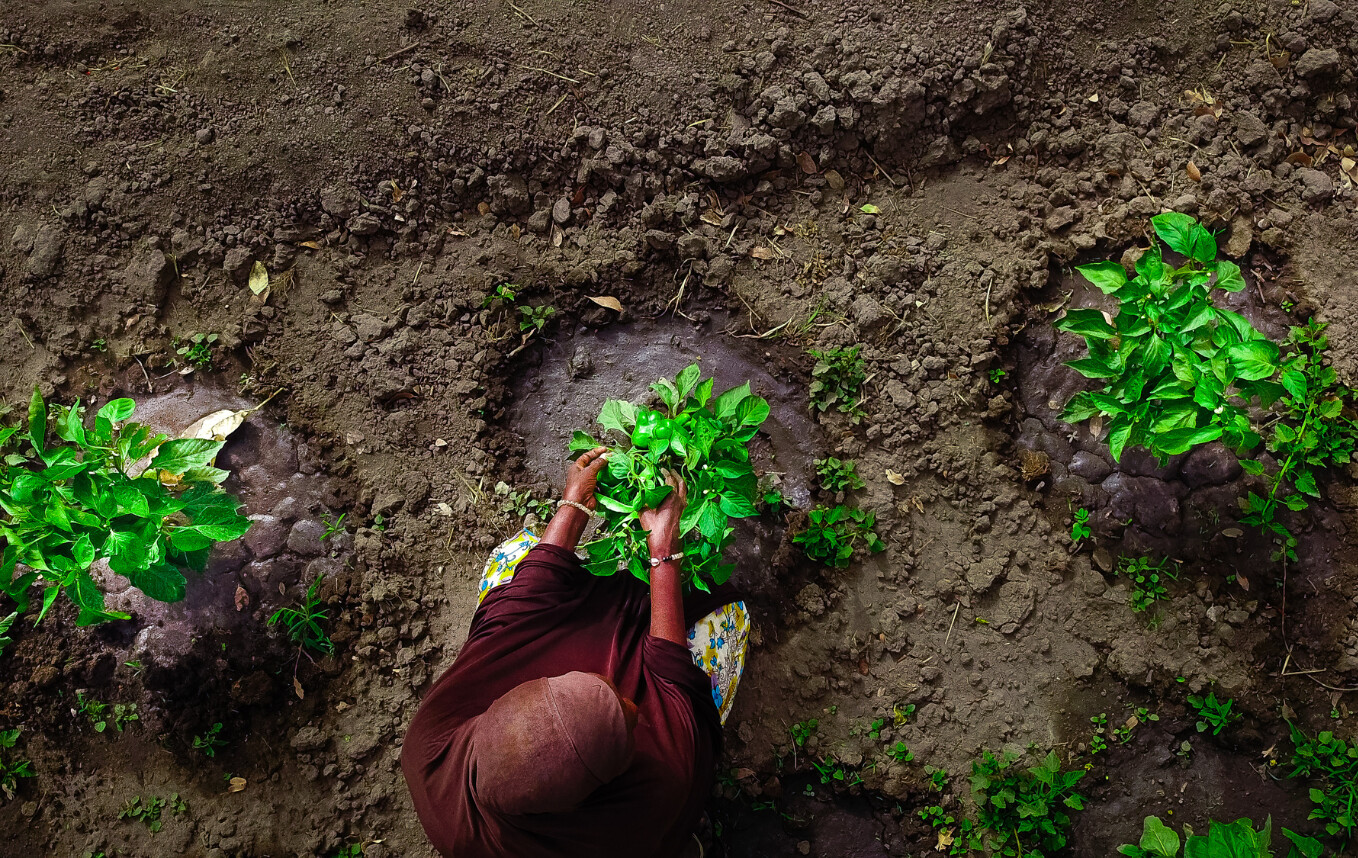
Since May 2022, Enabel has been rolling out an ambitious regional climate programme in the Sahel region, namely in Burkina Faso, Niger, Mali and Senegal. The region faces increasing desertification and prolonged drought, which threatens the ecological and socio-economic balance of the region.
In response to these challenges, the Enabel initiative aims to reclaim 10,000 hectares of degraded land in each of the countries adding up to a total of 40,000 hectares while actively involving local communities to ensure sustainable management of natural resources.
Communities at the heart of ecological restoration
Sustainable action starts with local consultation. That is why the initiative is preceded by dialogue with local communities. The meetings make it possible to identify the resources, water infrastructure and land to be reclaimed, while defining the future uses of the rehabilitated sites: agriculture, pastoralism or preservation of biodiversity.
The management of natural resources can be a source of conflict. In other words, restoring land is not just an ecological matter: It is essential to work together to determine what the land is to be used for, and who will benefit from the land. Without such consultation, there is a risk of creating new tensions rather than finding lasting solutions.
Discussions also pave the way for a broader reflection: to combat desertification, one must first ask why a region is becoming desertified. It is not just a question of climate, but also of non-integrated water management, unplanned land management and lack of participation, among many other factors.
This participatory and inclusive approach leads to initiatives that are adapted to the local context: in Burkina Faso, for example, priority is given to the agricultural use of the restored land, while in Niger such land is used mainly for pastoral purposes. In Senegal, the focus is more on ecological restoration fostering the natural regeneration of vegetation and the conservation of biodiversity.

Tangible results on a national scale
The results of the project are already tangible: in Burkina Faso, 3,000 hectares of initially unusable land have been reclaimed, enabling cereal crops to be grown again. In partnership with TreeAid, 28,000 trees producing non-wood forest products* were planted in three regions of Burkina Faso, offering sustainable harvesting and marketing opportunities.
In Niger, a 500-hectare site that was reclaimed and given a sustainable management plan in 2023 is now a productive grazing area for local livestock farmers.
In Senegal, where the soil is less degraded, one of the key elements of the restoration programme is the fencing off of 500 hectares so vegetation can recover. This approach ensures the preservation of ecosystems and enables local residents to manage their natural resources sustainably.
In Mali, where soil erosion in certain areas represents a major threat to agricultural land as well as basic infrastructure such as schools, homes and health centres, the restoration of the banks of the River Niger in the commune of Meguetan is helping to stabilise the soil, prevent bank erosion and improve the quality of water.
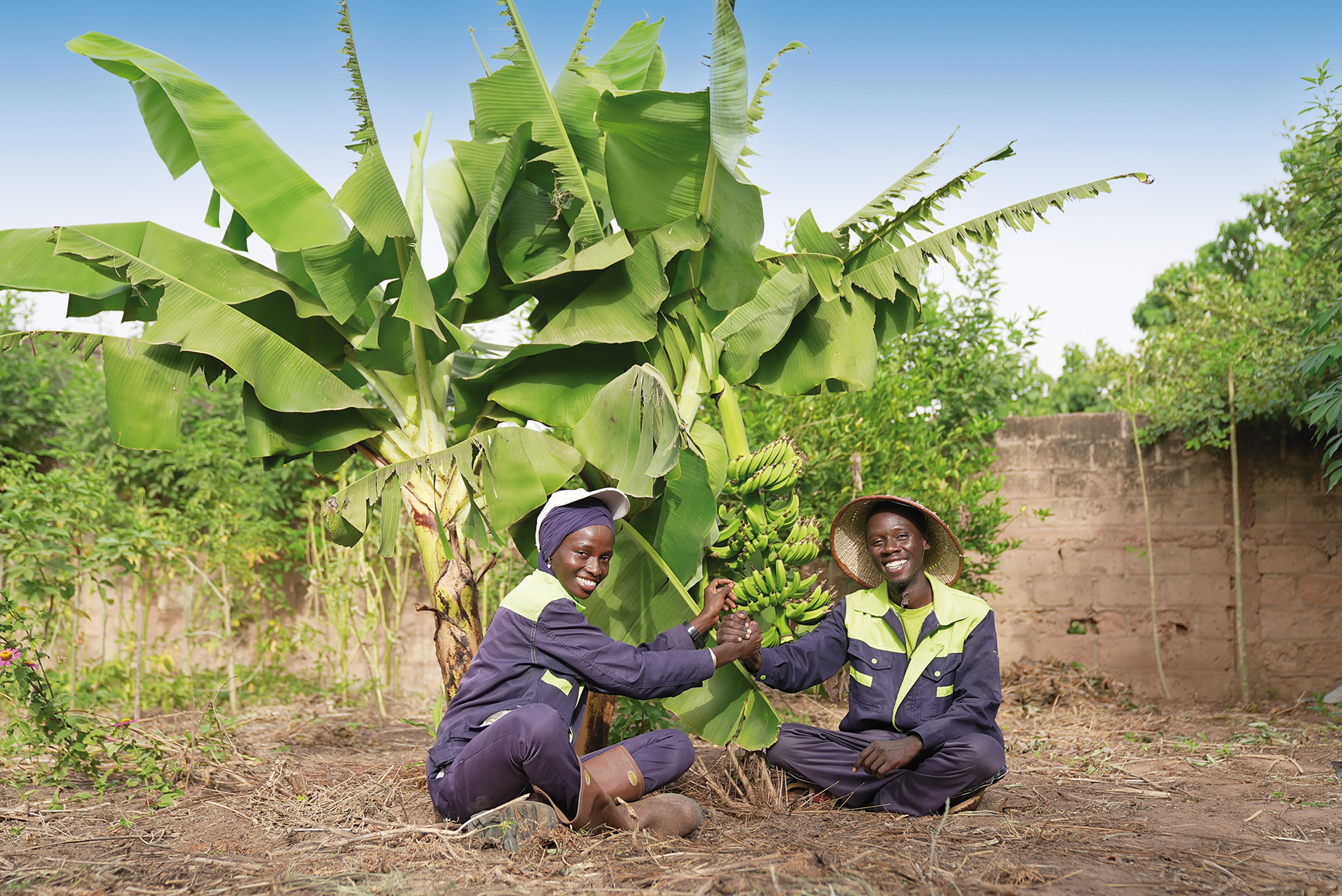
In all four countries, training and empowerment of women and young people are at the heart of the activities. Through a partnership with the NGO Eclosio, for example, we are supporting nearly 200 women’s groups in Senegal in the development of non-wood forest products: training courses on sustainable collection, product processing and support for marketing help these women in establishing climate-sensitive income-generating activities.
A regional impact and a long-term vision
Enabel is also helping to mobilise climate financing and improve environmental governance: a partnership with the Regional Agrhymet Centre, a specialised institution of the CILSS (Permanent Interstate Committee for Drought Control in the Sahel), is building the capacity of executives from the ministries of the four countries to collect and analyse data on land degradation. Harmonising the data and results contained in these national reports is crucial: not only does it enable countries to analyse the impact of their activities according to international standards, it also enables them to better defend their interests on the regional and international stage.
The climate programme in the Sahel is part of the international Great Green Wall initiative and aims to strengthen the initiative’s position at upcoming major climate conferences, such as the Africa Climate Summit and COP30.
* Definition of NWFP: Non-wood forest products are goods of biological origin other than wood derived from forests and other wooded land and trees outside forests (e.g. fruits of forest trees, wild fruits, medicinal plants, mushrooms, resins, etc.) (FAO, 1999).