News
14 May 2025
The EU and Enabel: a strategic partnership for sustainable growth in Côte d’Ivoire
Interview
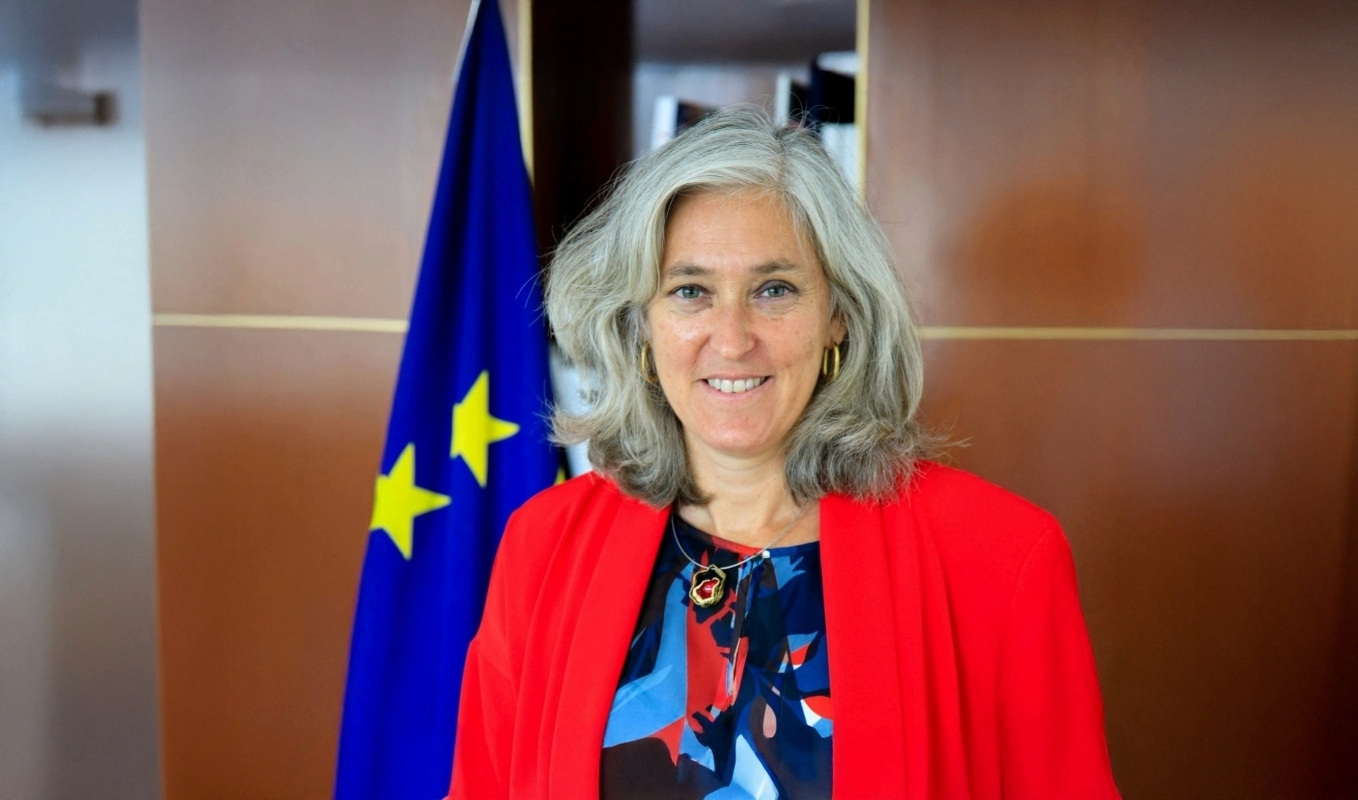
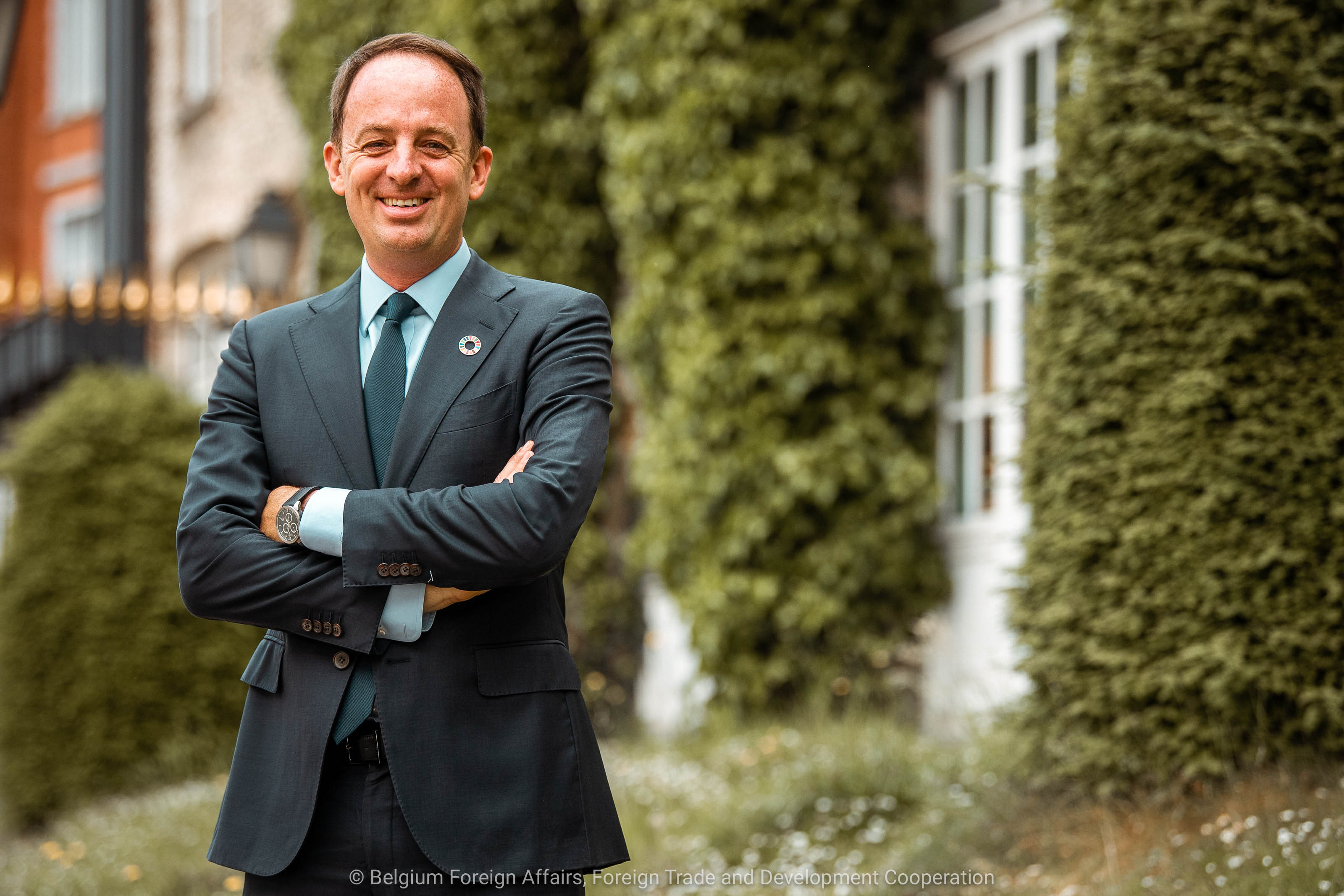
Francesca Di Mauro, the European Union’s Ambassador to Côte d’Ivoire, discusses the importance of partnerships between the EU, its Member States and Enabel in strengthening Côte d’Ivoire’s economy. She explains how these partnerships support more sustainable and inclusive growth, from the cocoa industry to strategic corridors.
What role do the partnerships between the EU, the Member States and agencies such as Enabel play in strengthening Côte d’Ivoire’s economy?
With a GDP growing at around 7%, Côte d’Ivoire is one of the biggest economies in West Africa. It is a powerhouse economy, driving other economies and attracting many workers from the sub-region.
Team Europe – the European Union, its Member States, their development agencies, development banks and the European Investment Bank – is deeply involved in Côte d’Ivoire.
Team Europe enables the successful implementation of the Global Gateway strategy, the European Union’s investment package offered to partner countries like Côte d’Ivoire, particularly in the climate/energy sector, strategic corridor transportation as well as youth employability.
Côte d’Ivoire is the world’s leading cocoa producer. How are the EU and its partners such as Enabel supporting the transition to a more sustainable and fairer cocoa sector?
With the European Green Deal, which was introduced in 2019, and particularly through the EU Deforestation Regulation (EUDR), the EU started work in Côte d’Ivoire to make the cocoa sector more sustainable. As from the end of 2025, the EUDR requires that products imported from abroad, but also those produced in Europe, do not contribute to deforestation and that they are produced legally. For some years now, the EU has been helping the Côte d’Ivoire government to comply. The introduction of the ARS 1000 African standard for sustainable cocoa is a good example of this: It promotes the geolocation of cocoa farms, leading to the traceability of cocoa.
Through the Team Europe Sustainable Cocoa Initiative, we are tackling the three elements of sustainability: the environmental aspect, by reducing deforestation; the economic aspect, by ensuring access to decent incomes for producers; and the social aspect, by eliminating all forms of child labour.
These sustainability aspects are addressed at different levels. At the political level, during the EU-Côte d’Ivoire partnership dialogue: once a year, we meet with all the European ambassadors and the Côte d’Ivoire authorities for a policy dialogue on a number of issues, including policy, security and sustainability.
We are also deploying all our tools. Budget support, linked for example to indicators on supervision systems, deforestation control and child labour control.
Technical support, including that provided by Enabel, which is addressing decent incomes. Enabel works directly with the cooperatives, to strengthen them in terms of marketing, business planning and agricultural techniques. The aim is to have cooperatives organise themselves better and have greater negotiating power in relation to cocoa purchasers. Because if cooperatives are stronger, they can negotiate better and therefore obtain a fair price and a decent income for workers.
And loans, such as the one with the European Investment Bank (with an EU guarantee) to tackle reforestation in Côte d’Ivoire.

improve farming practices, and promote sustainable and diversified production.
Can you tell us more about the development and importance of strategic corridors in Africa?
We have identified ten strategic corridors in sub-Sahara Africa, i.e. ten routes that we consider strategic in terms of their economic importance and in terms of EU-Africa traffic. Of these ten corridors, three pass through Abidjan: Abidjan-Lagos, Abidjan-Dakar and Abidjan-Ouagadougou.
The aim of these corridors is obviously to reduce the time and cost of transporting both goods and people. We also want to improve them and decarbonise them as much as possible, which is why we are also supporting maritime and rail corridors.
This will obviously have a beneficial impact on consumers: if costs fall, so will the price of goods. The aim is also to develop local value chains – for rice, for example – and facilitate trade in the rest of the region.
What tangible benefits will this project bring to local people and businesses, and to the strengthening of regional trade?
One example is Abidjan, a city of 6 million inhabitants, which is extremely congested with traffic: We are working on urban mobility and increase the number of public buses and thus reduce the time lost in traffic. This will not only have an impact on people’s wellbeing, in terms of journey times and costs, but also in terms of reducing greenhouse gas emissions and air pollution.
On the corridors in general, Enabel activities focus on the regulation and facilitation of transportation: Enabel supports the corridor management authority (shared by several countries) in organising itself, identifying actions that can help reduce waiting times at border posts or standardising certain procedures to facilitate the transit of goods.
How do you see the future of the partnership between the EU and Enabel in pursuing economic and social development in Côte d’Ivoire?
The partnership between the EU and Enabel has grown considerably over the years. At the moment, we have a portfolio totalling 22 million euros, which includes work on sustainable cocoa and support for cocoa cooperatives. We also have biomass initiatives, including the production of renewable energy for cooking with clean energy.
There is also a very interesting component on circular migration: Enabel identifies entrepreneurs and employees of Côte d’Ivoire companies who want to do apprenticeships in Belgium in pre-identified Belgian companies. They learn marketing techniques, human resources management and business planning and when they return, they can put their new knowledge into practice.
It is a partnership that is flourishing and growing. We are delighted about that.