Tanzania
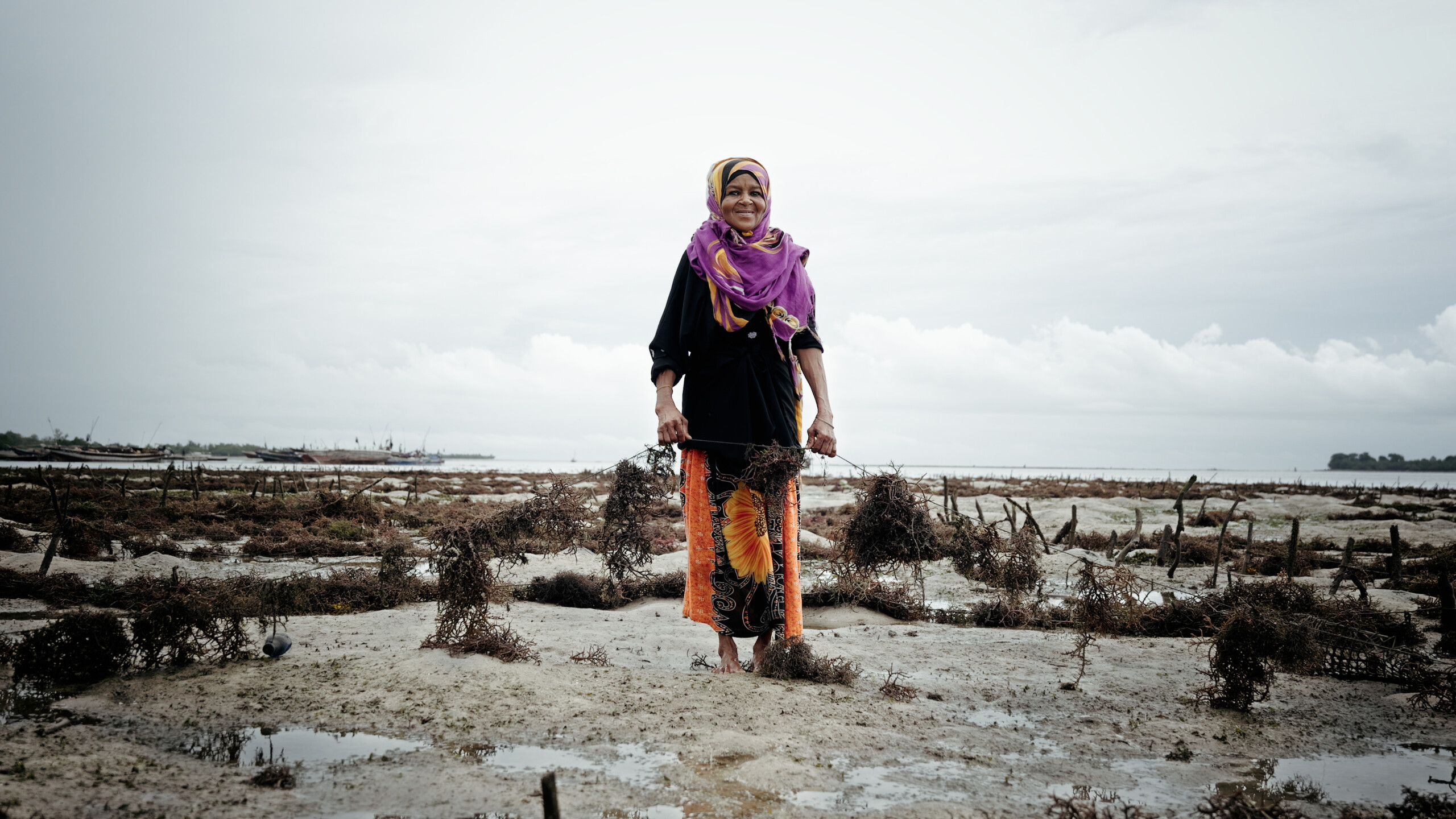
Since 1982, Tanzania has stood as a key partner country in the Belgian governmental cooperation. The collaborative endeavours of the Tanzanian and Belgian governments are centered on basic infrastructure for water and sanitation, sustainable agriculture, education, skills development, and economic advancement.
Inclusive, green and smart cities
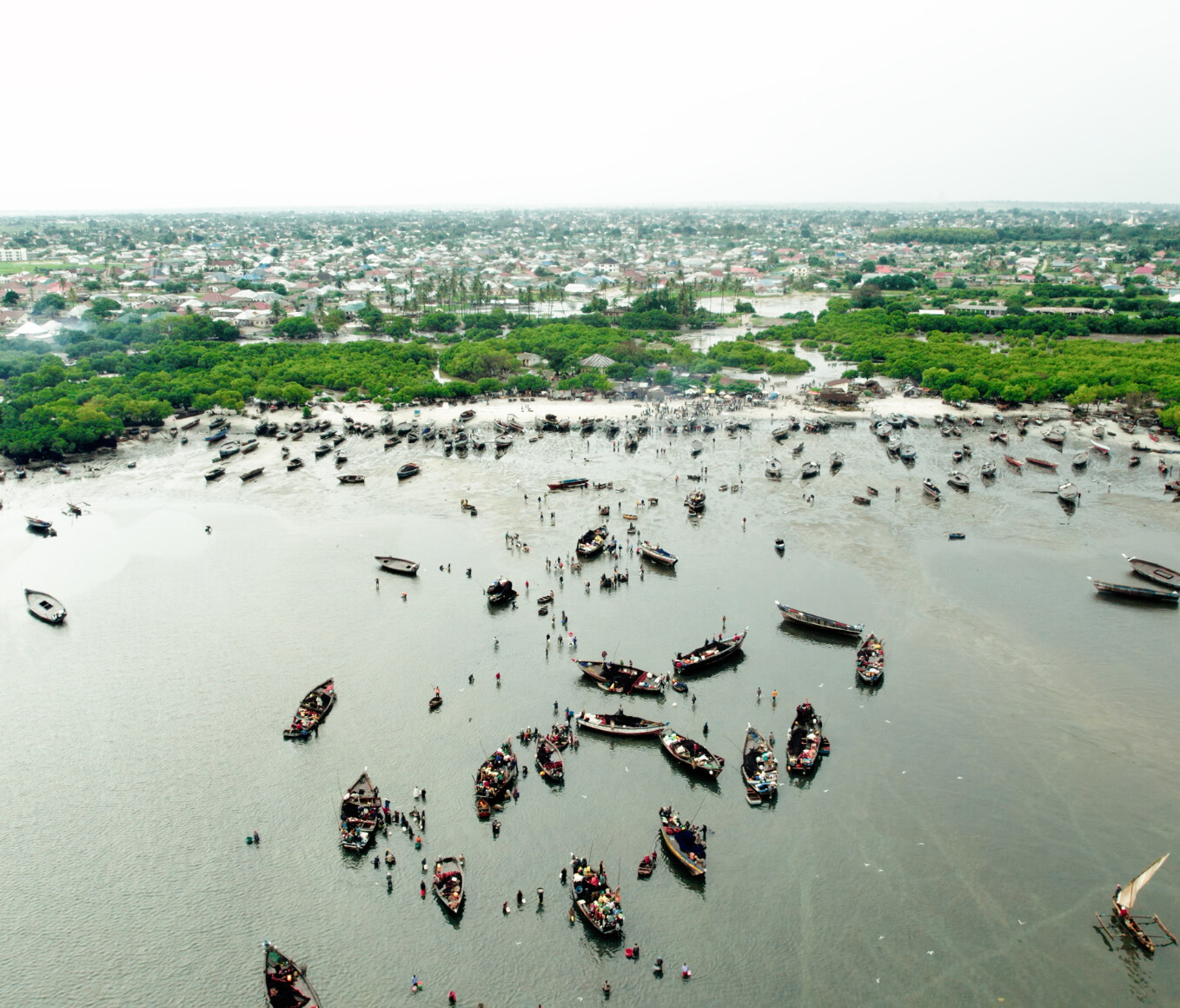
The Green and Smart Cities “SASA” project aims to improve green infrastructure investments and stimulate local economic growth in the Mwanza, Tanga, and Pemba regions. This initiative seeks to mitigate the threats posed by climate change and natural disasters while fostering innovative digital solutions to address urban challenges.
Enabel provides technical assistance and advisory services to government experts, collaborating closely to explore new green approaches such as smart waste management systems, innovative blue economy solutions, and skills development for women and youth. The Green and Smart Cities project is financed by the EU.
Improved access to justice
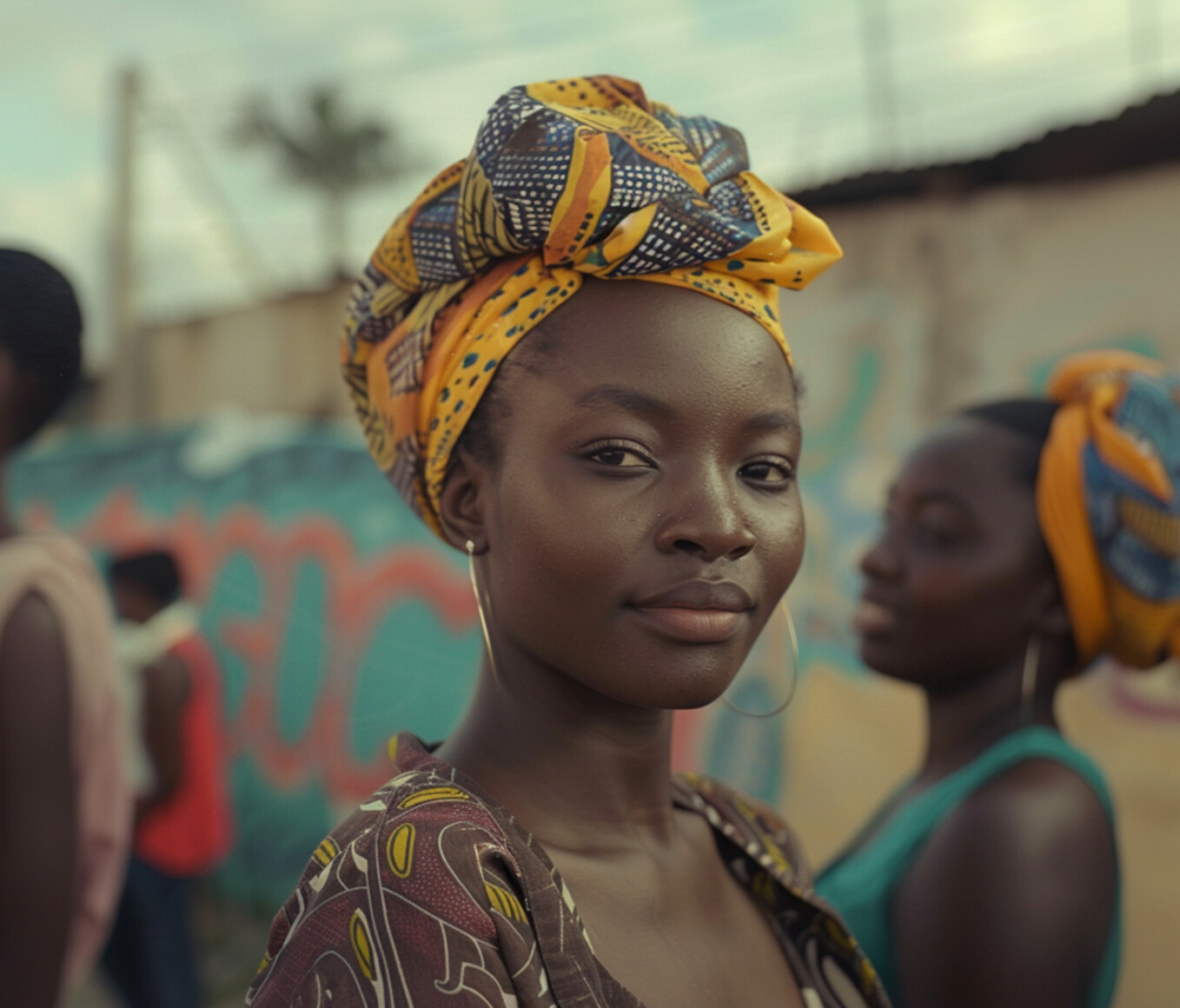
The Sauti ya Mwanamke project is a part of the EU initiative “Breaking the Glass Ceiling” in Tanzania.
It aims to increase access to justice for women, girls and marginalized groups by reducing the inequalities they too often face in accessing justice services and legal aid. The project works directly with more than 4,000 paralegals through 184 registered paralegal units across the country to strengthen their capacity on gender transformative legal aid.
The project also provides legal assistance including counselling and representation to remanded and prisoners.
Education and skills development
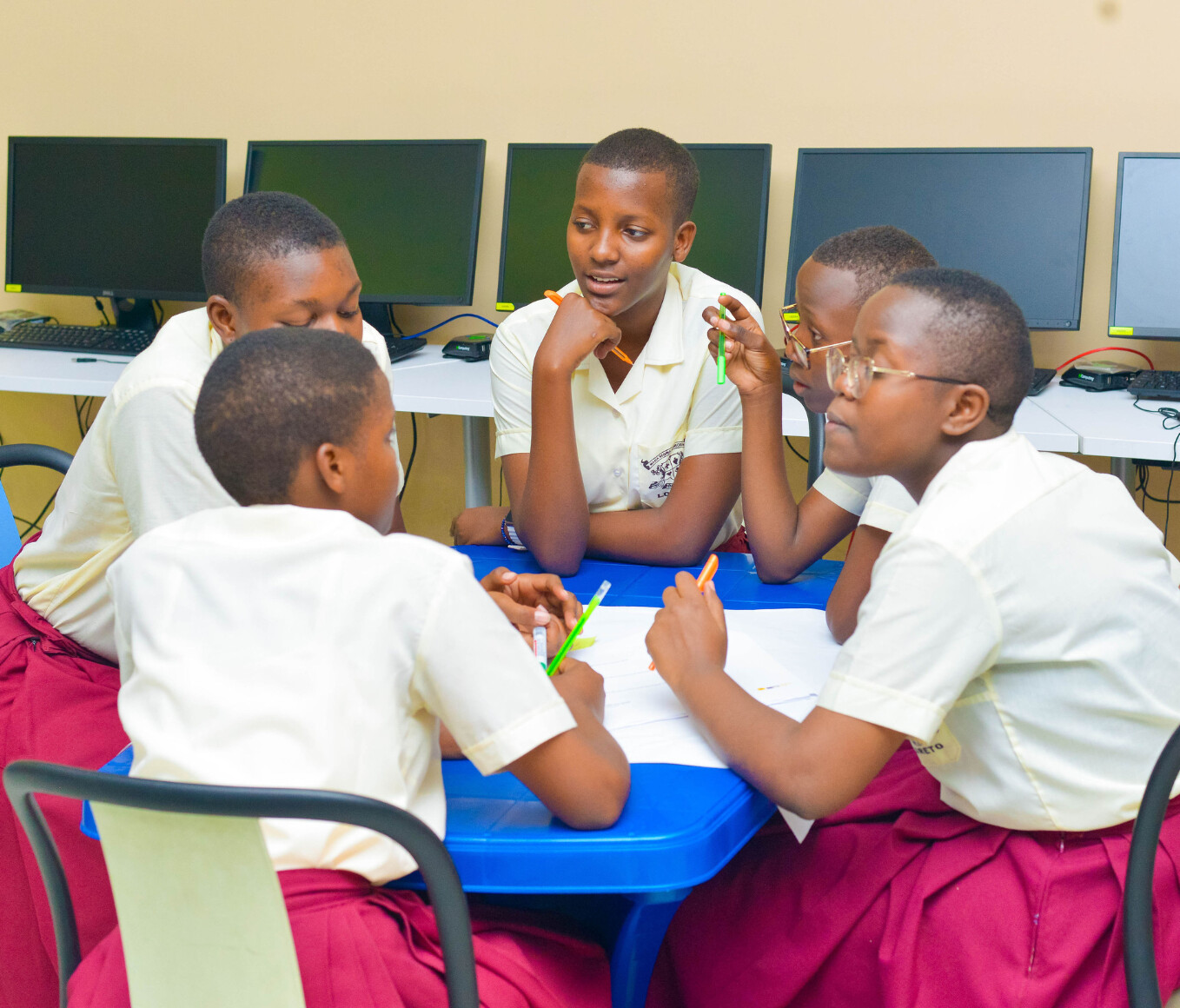
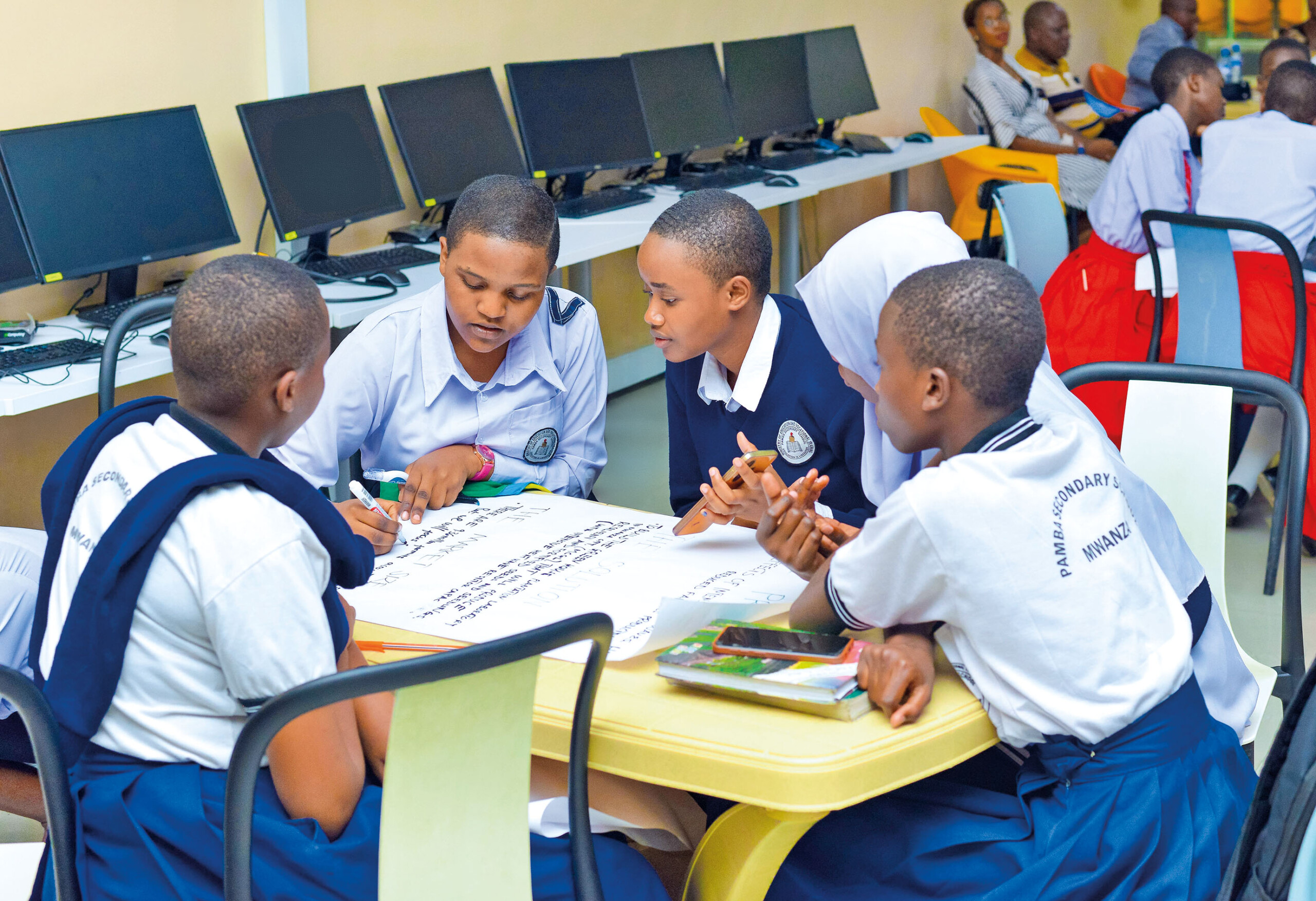
Centered in the Kigoma region, the “Wezesha Binti” project (“Empower the girl” in Kiswahili) aims to empower youth, especially girls and young women (14-29) through various learning opportunities for decent, green jobs and better access to entrepreneurship.
In collaboration with the government of Tanzania, the programme focuses on three main areas: improving access to and quality of secondary education and training; supporting skills development and entrepreneurship training; and developing awareness-raising actions that promote a gender-equal environment.
Water and sanitation
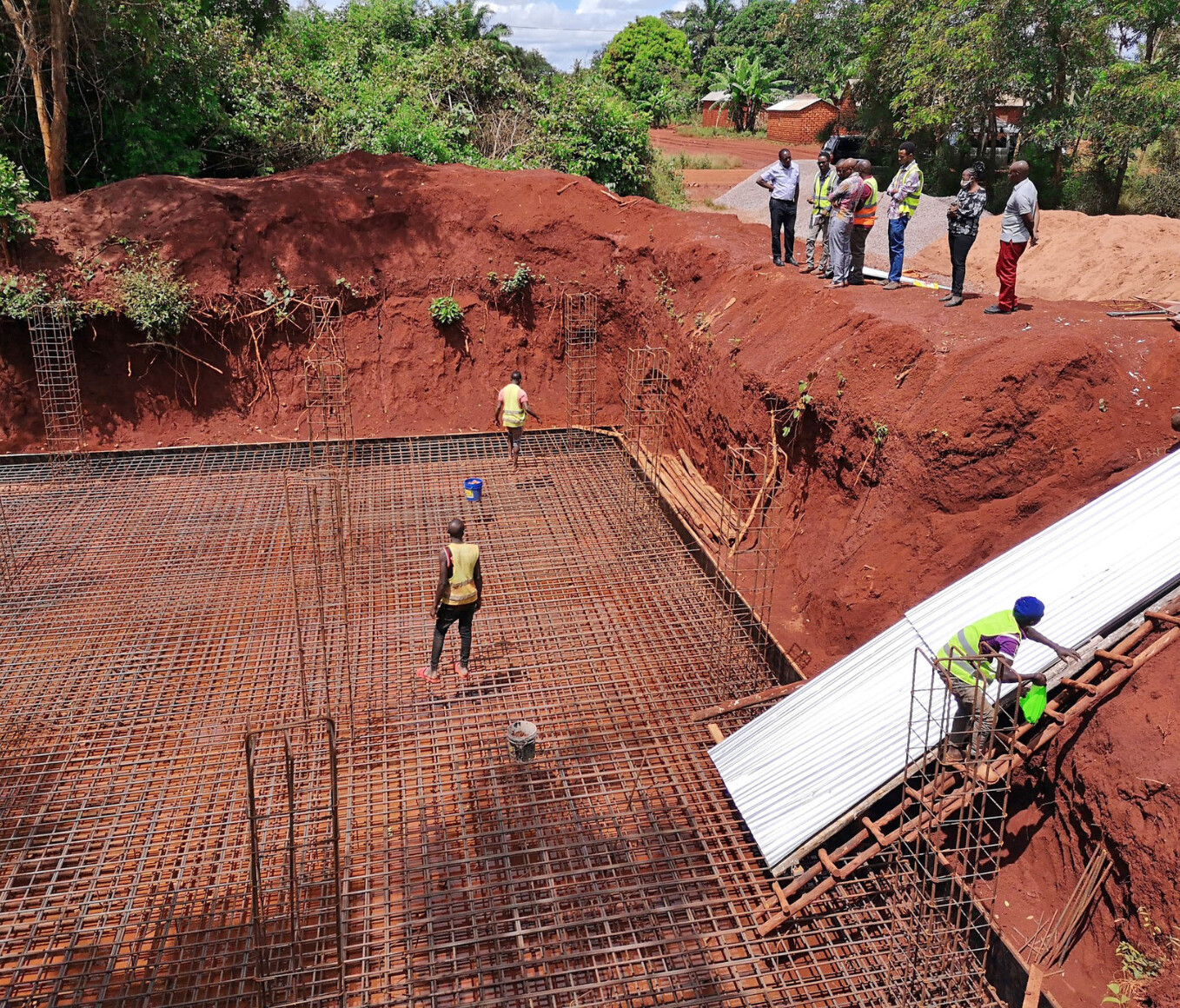
Enabel supports the Tanzanian Ministry of Water to improve water supply and sanitation in six remote districts of the Kigoma region. By constructing water sanitation schemes, including community distribution points, the aim is to provide access to clean water for 200,000 people.
These schemes are adapted to the local environment and can be either surface or groundwater systems.
Additionally, we accompany and train Community-Based Water Supply Organizations (CBWSOs) to maintain the infrastructure and monitor water usage and payments.
Beekeeping value chain support
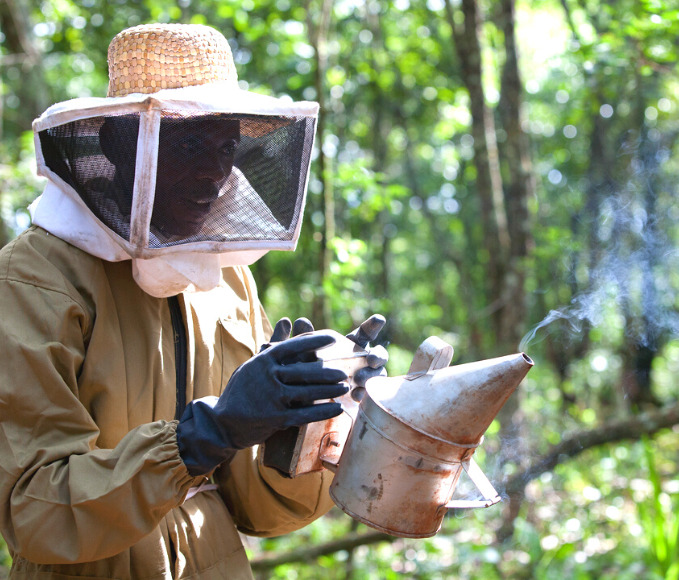
Despite the global demand for natural honey and beeswax, Tanzanian beekeepers encounter notable obstacles, including limited access to modern beekeeping equipment and training, logistical challenges, and inadequate infrastructure in remote areas, impeding their ability to maximize the potential of the country’s forests and woodlands.
To address this, Enabel collaborates with the Ministry of Natural Resources and Tourism, with the support of the European Union, to deliver training programmes on contemporary beekeeping methods and sustainable techniques in the regions of Tabora, Katavi and Pemba. Moreover, efforts are directed towards encouraging greater female participation in the apiculture sector. To date, this initiative has positively impacted over 4,000 Tanzanian beekeepers.
Related content
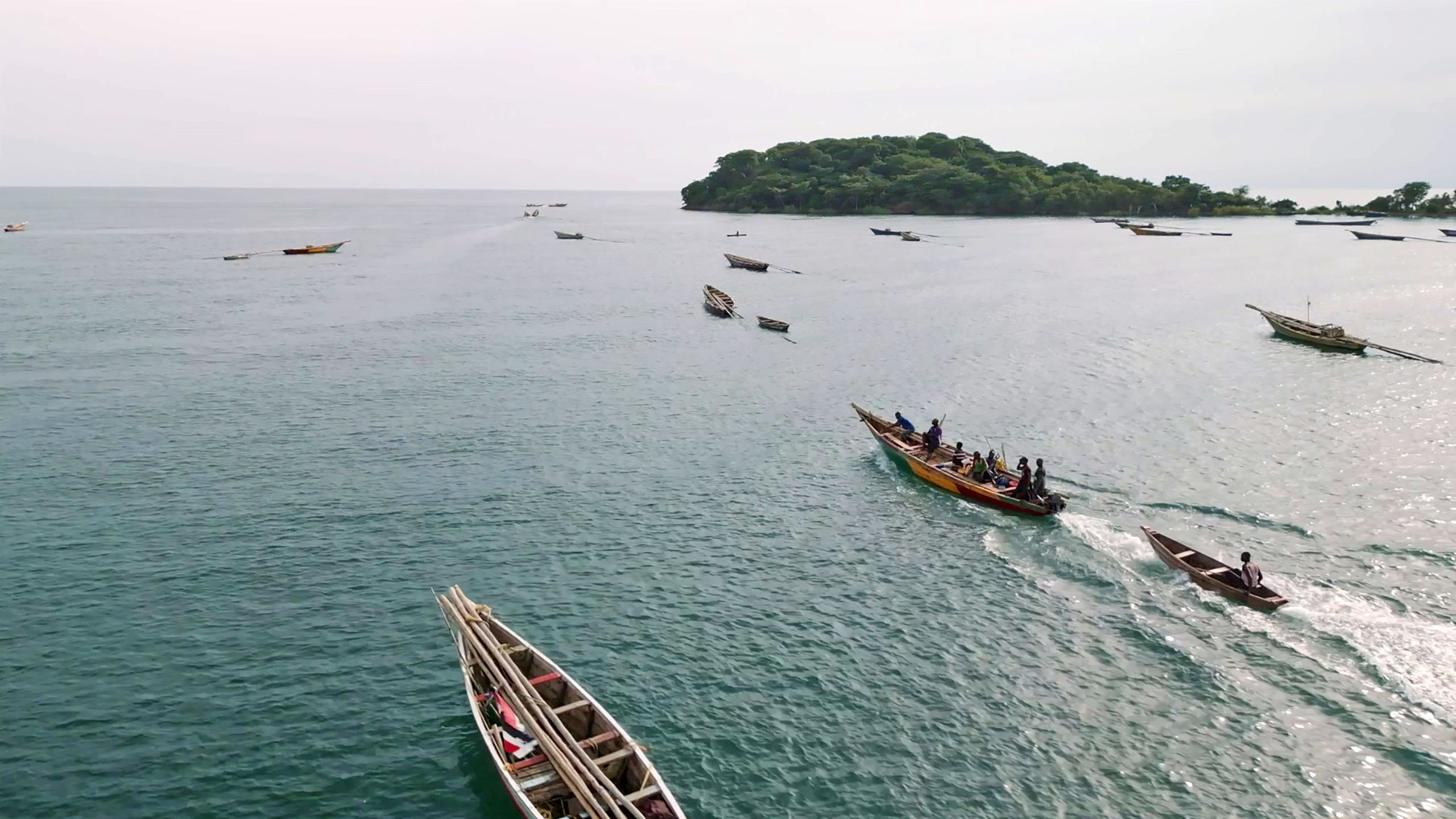
Home to more than 4,500 animal and plant species, Lake Tanganyika is under serious threat. The Latawama project works across border to ensure a sustainable future for the region and its inhabitants.
Lake Tanganyika: an endangered ecosystem
Since 1982, Tanzania has been a key partner country of Belgian international cooperation. The collaborative efforts of the Tanzanian and Belgian governments focus on diverse priority sectors, notably skills development and entrepreneurship, gender equality and inclusion, education, green and circular economy, and improved access to justice. The 2023-2027 cooperation programme (25 million euros) is called ‘Wezesha Binti’, Swahili for ‘Empower the girl’, and it integrates a gender-transformative approach across all activities. On behalf of the European Union, we also carry out assignments and projects on honey production, improved access to justice, digitalisation, and green climate-resilient urban development.
Country brochure
Have a look at our projects in Tanzania via the open.enabel platform.
Our projects in Tanzania
Contact the Enabel team in Tanzania
News & Events
 Resources
30 March 2026
Enabel’s Sustainability, environmental and social management framework
This document presents Enabel’s sustainability framework as well as its environmental and social management system.
Read more
 News
News
27 March 2026
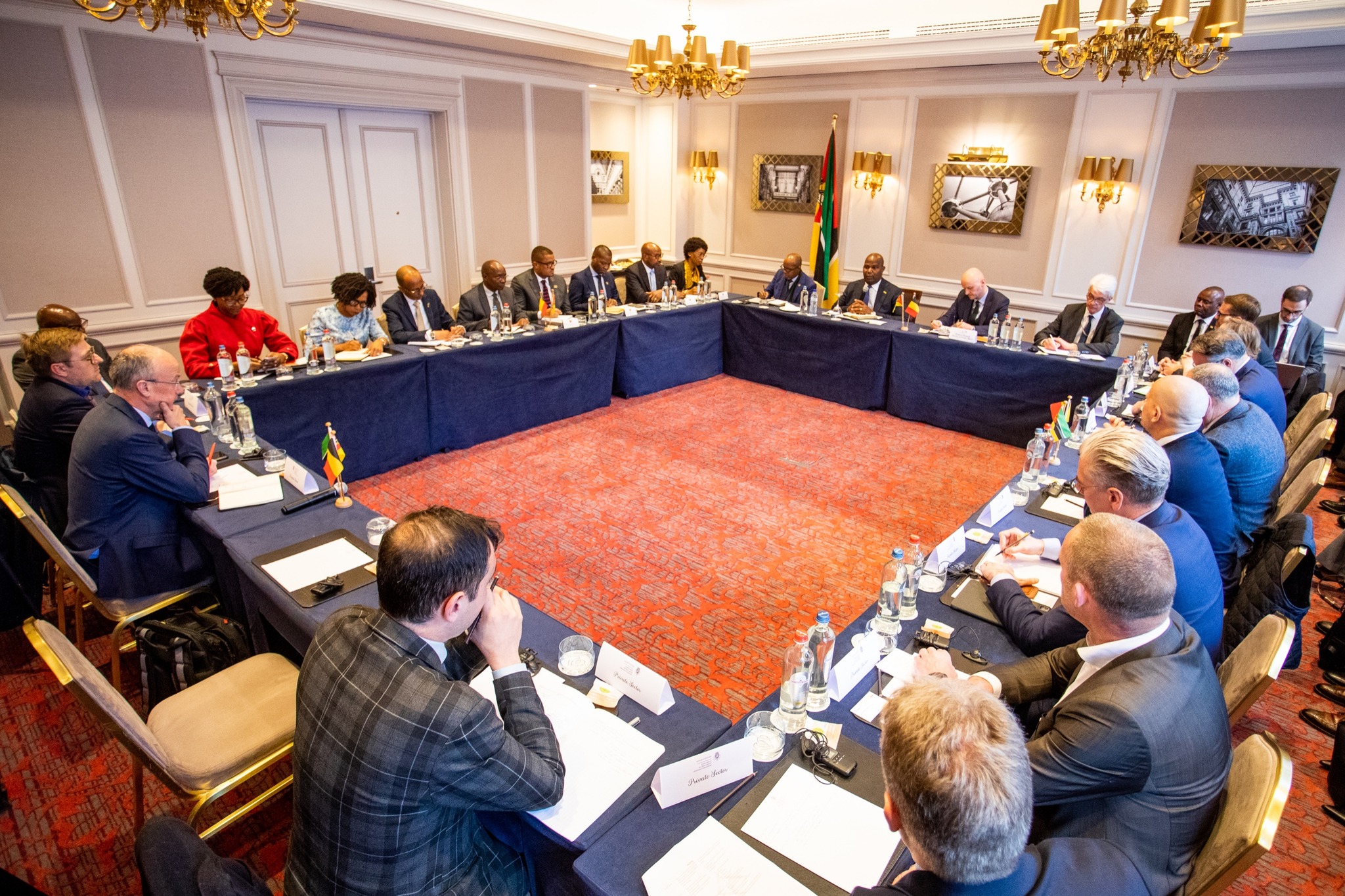
The role of cooperation in a room of investors
Enabel connects investors and institutions to unlock Mozambique’s energy potential and accelerate renewable investments.
Read more
 News
News
27 March 2026
EU Regional Business Forum – West Africa Corridors: a lever for investment partnerships
Abidjan hosts EU Regional Business Forum to drive investment along West Africa corridors, with Enabel facilitating partnerships and growth.
Read more
 News
News
26 March 2026
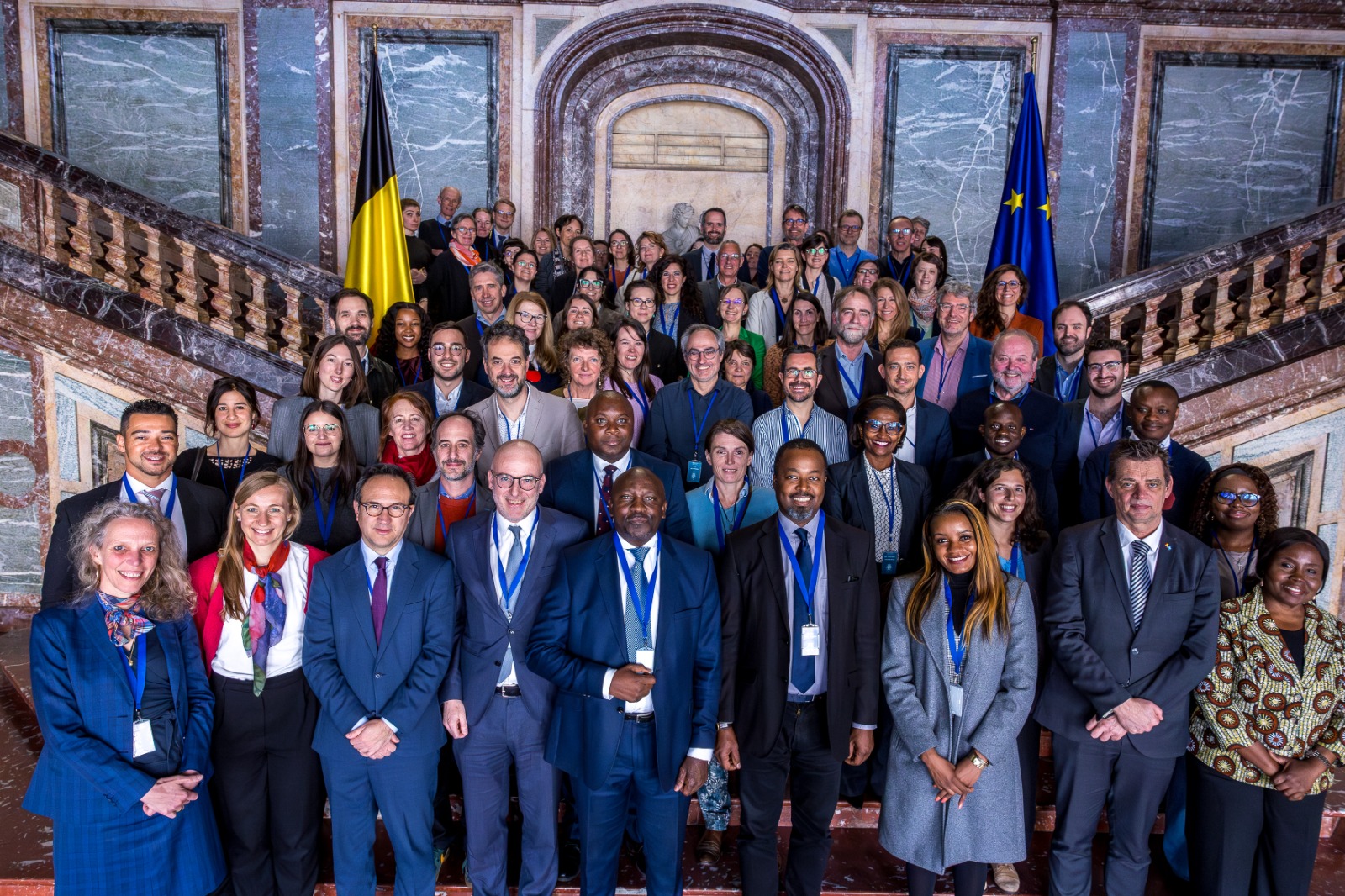
Team Europe convenes high-level event to boost Social Protection in Sub-Saharan Africa
Team Europe and EU partners step up support for social protection systems in Sub-Saharan Africa to reduce poverty and inequalities.
Read more
19 March 2026
STEP Methodology: turning jobseekers into skilled employees
STEP methodology bridges skills gaps with work-based training, job placement, and employer partnerships to boost employment.
Read more
 News
News
16 March 2026
Enabel spearheads a new model of international cooperation through climate-driven energy investment
Belgium and Mozambique mobilise climate finance and private investment to expand renewable energy and electricity access.
Read more