Water & sanitation
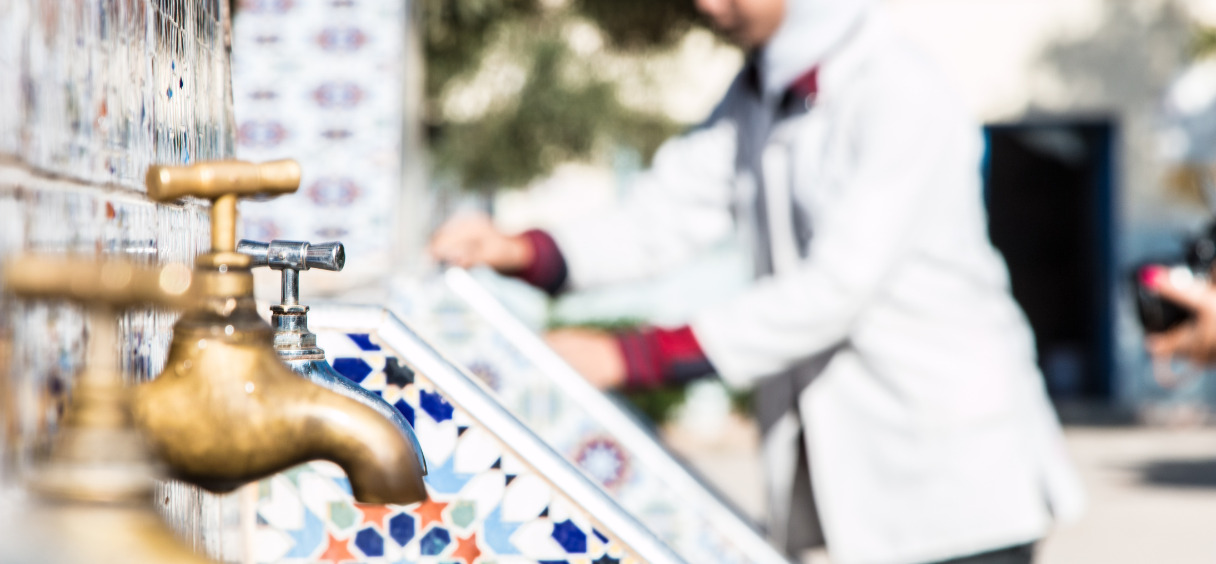
Access to water and sanitation constitute both a need and a basic right for people all over the world. It affects public health, gender equality, the environment and economic processes.
What we do
Access to drinking water and sanitation
Through a partnership with users groups and public operators, we contribute to the construction of infrastructure in view of improving peoples’ access to drinking water. We increase production capacities, develop water distribution networks and improve water quality. As a consequence, water chores, which are usually carried out by women and young girls, become less time consuming.
We help people to improve the local environment, mostly through awareness-raising activities and the installation of equipment (drainage of runoff, evacuation and treatment of waste water, latrines, etc.).
Water & agriculture
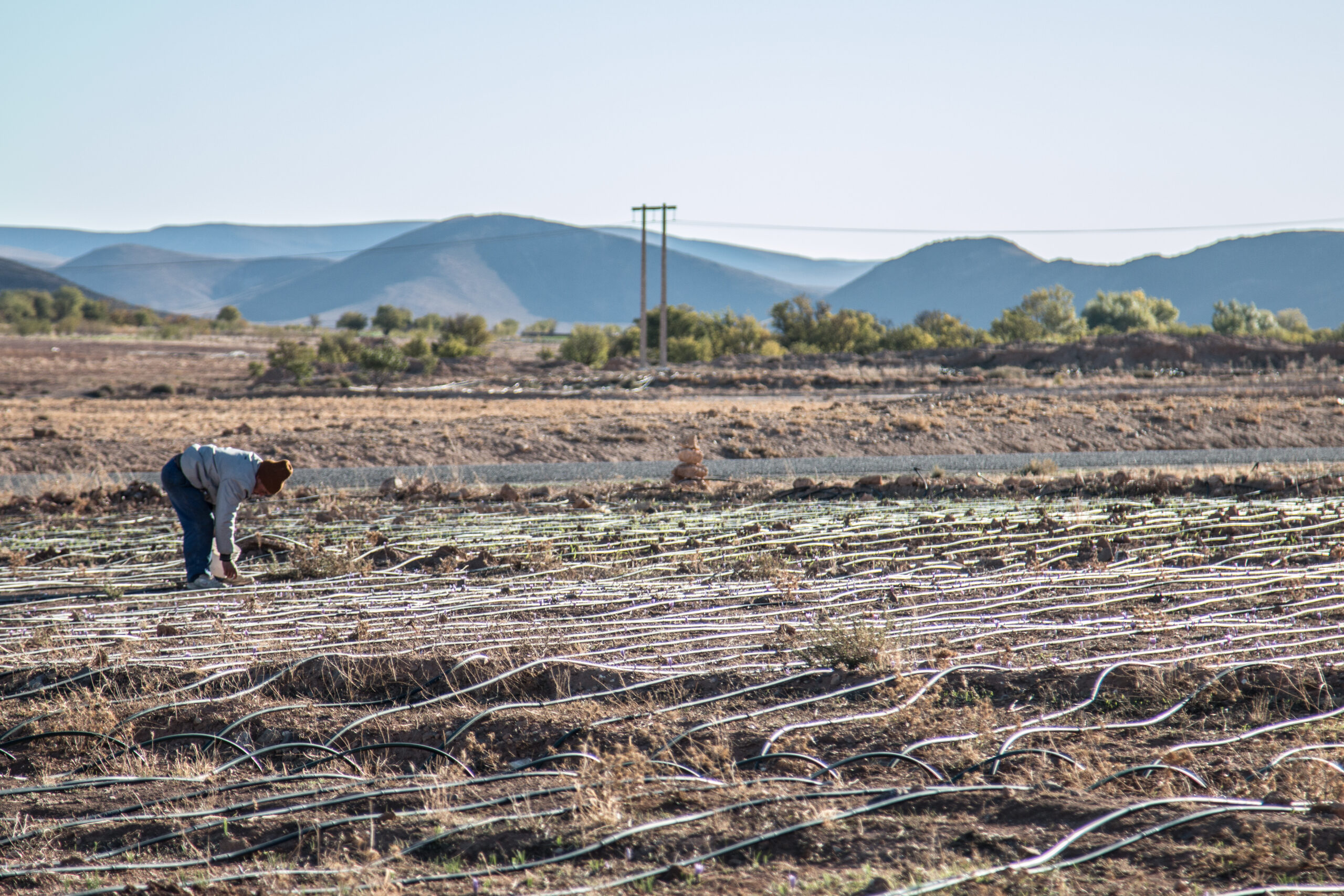
We also intervene in the area of water for production aiming to enhance agricultural productivity, to foster the diversification of production and year-round cultivation. To do so, we build infrastructures to store and supply water to the crops and to protect farm land from the risks of flooding (dams, embankments, irrigation networks, wells, etc.). We also assist users with putting in place management systems for these installations.
Capacity development
We provide advice to our partners and strengthen the actors involved in water management – from user-consumers up to the state departments and including water professionals. Governance of the sector, and the planning and the management of infrastructure constitute essential axes of our assistance in view of ensuring sustainable service-delivery and the right to water.
Integrated Water Resources Management
Integrated Water Resources Management is a process which promotes the coordinated development and management of water, land and related resources in order to maximise the resultant economic and social welfare in an equitable manner without compromising the sustainability of vital eco-systems (Global Water Partnership, 2000).
To enhance the sustainability of water resources we support the various actors and users to work together through the installation of Integrated Water Resources Management programmes.
Related content
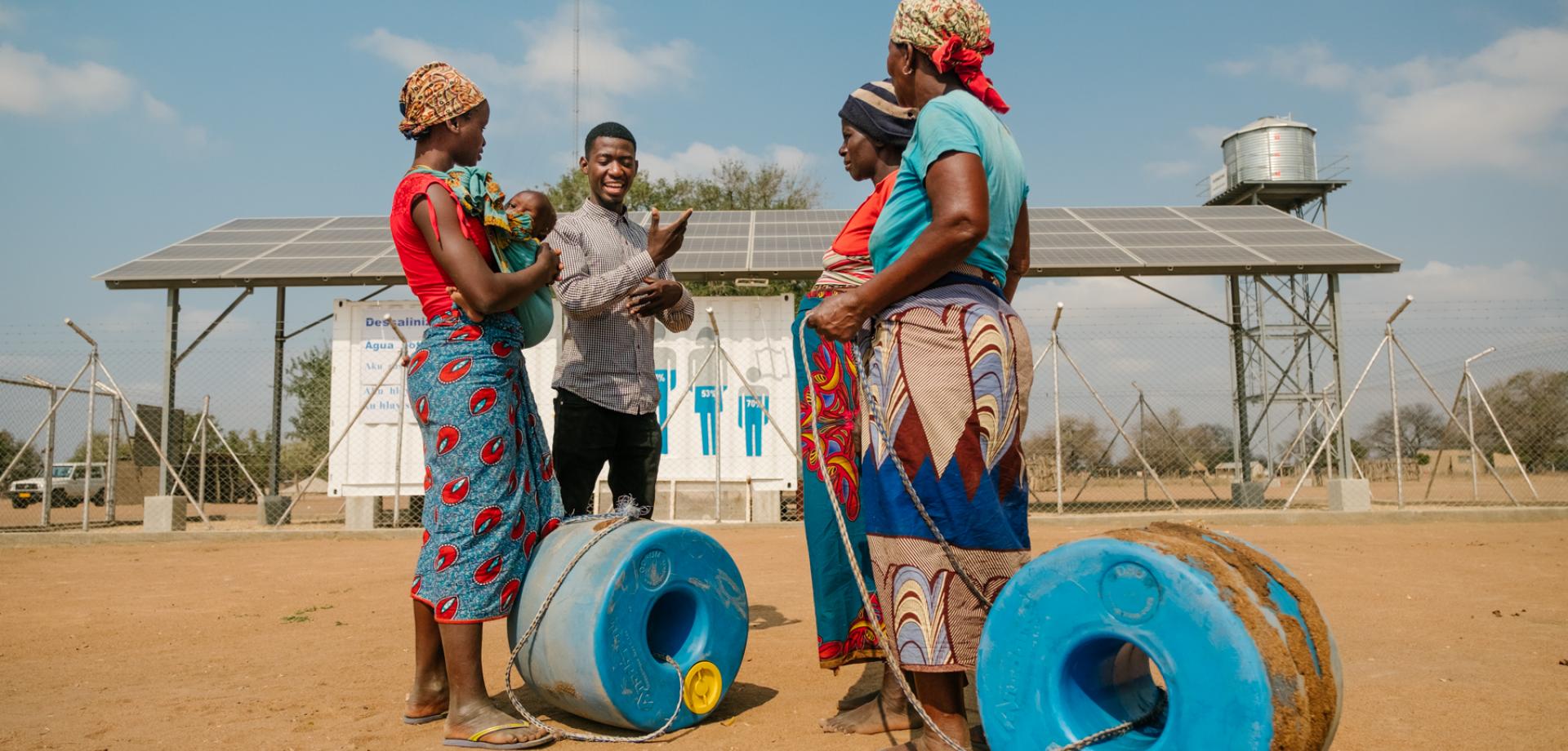
The Gaza Province in Mozambique is a dry region with few water sources. Enabel introduces new approaches that provide rural areas with better access to drinking water.
Water development in rural areas in Mozambique
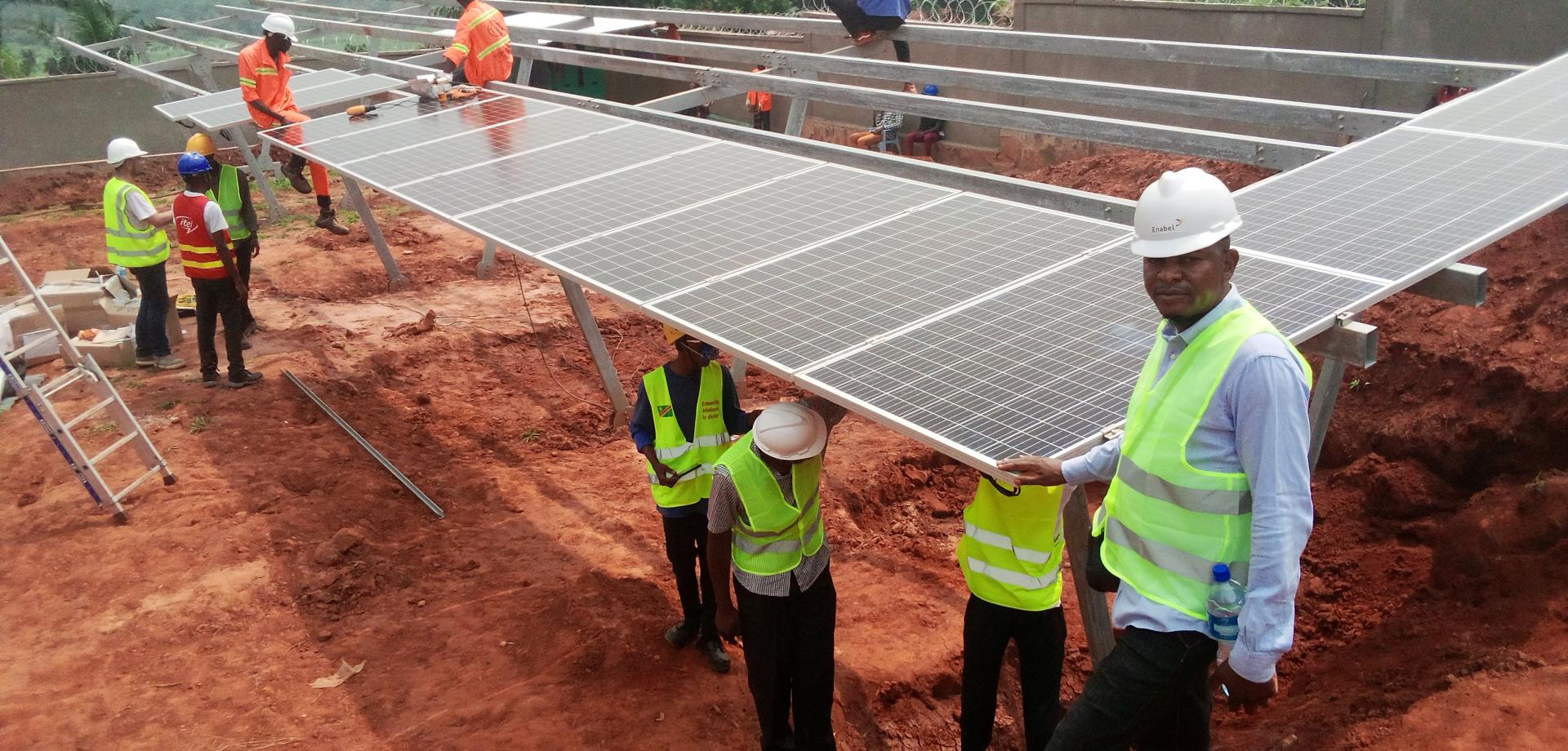
In the Democratic Republic of Congo, most households struggle to access a correct source of drinking water. But how do you solve this when there is no electricity either? Enabel tackles the problem together with local partners.
Solar panels for drinking water
News & Events
 Resources
30 March 2026
Enabel’s Sustainability, environmental and social management framework
This document presents Enabel’s sustainability framework as well as its environmental and social management system.
Read more
 News
News
27 March 2026
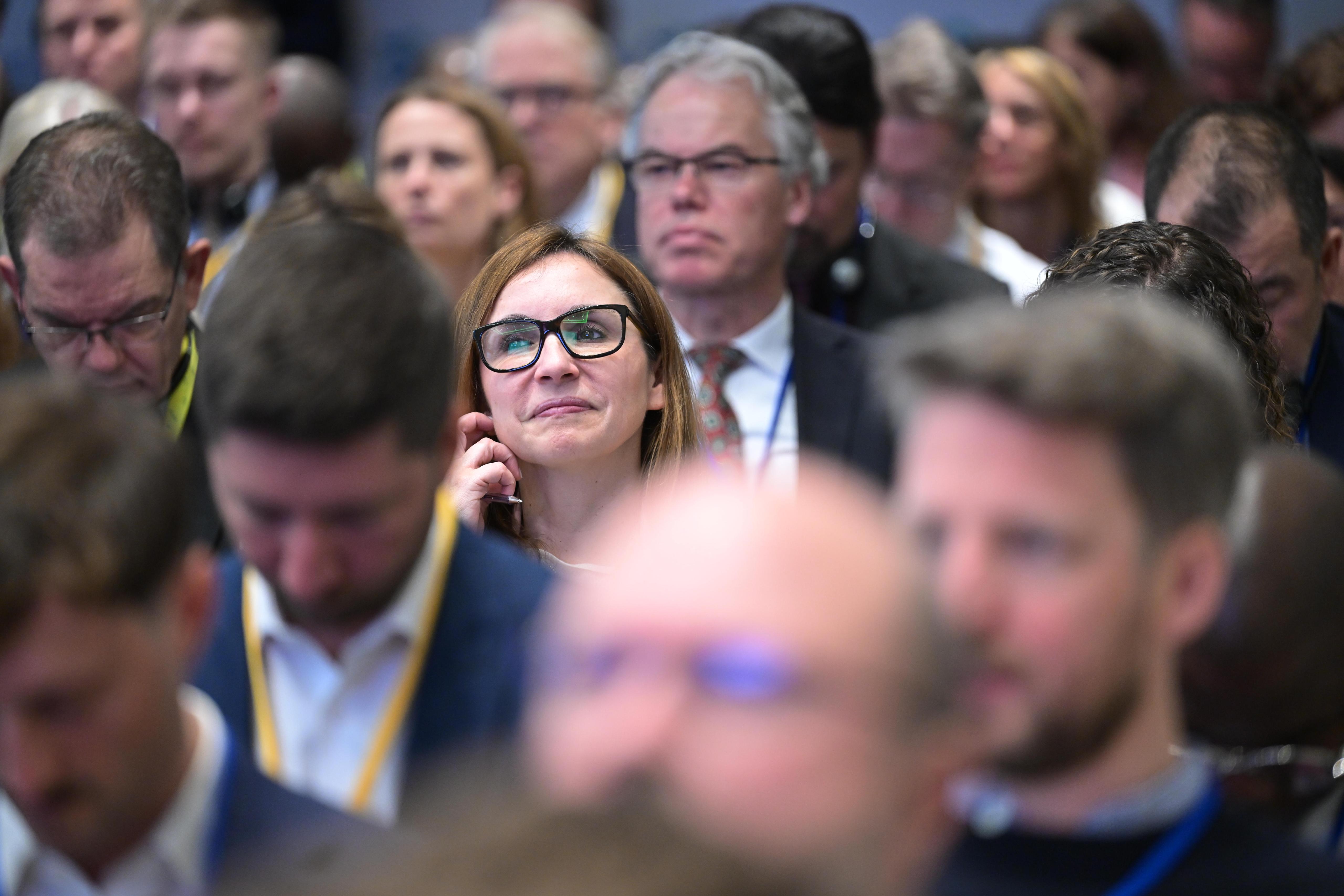
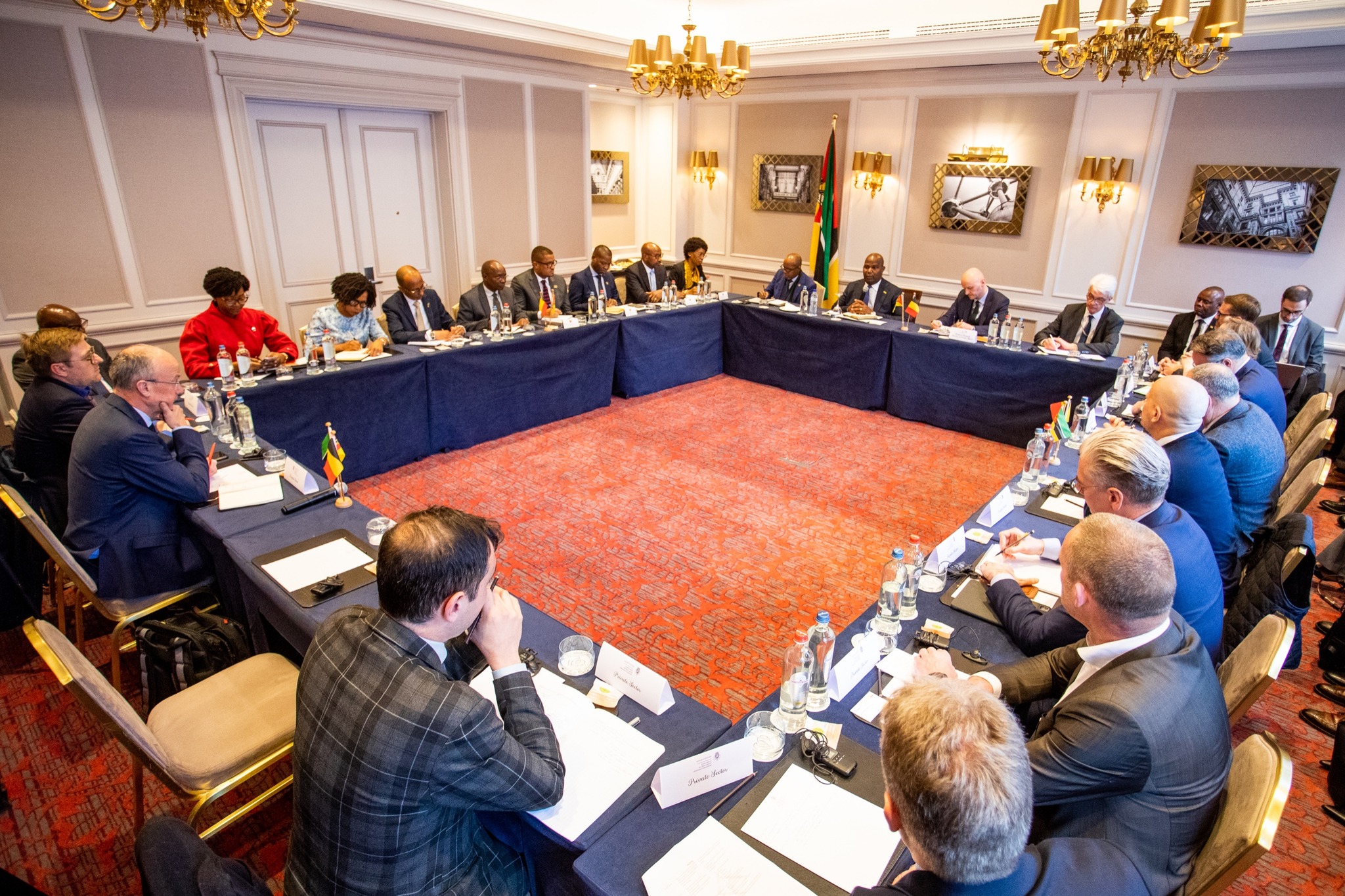
The role of cooperation in a room of investors
Enabel connects investors and institutions to unlock Mozambique’s energy potential and accelerate renewable investments.
Read more
 News
News
27 March 2026
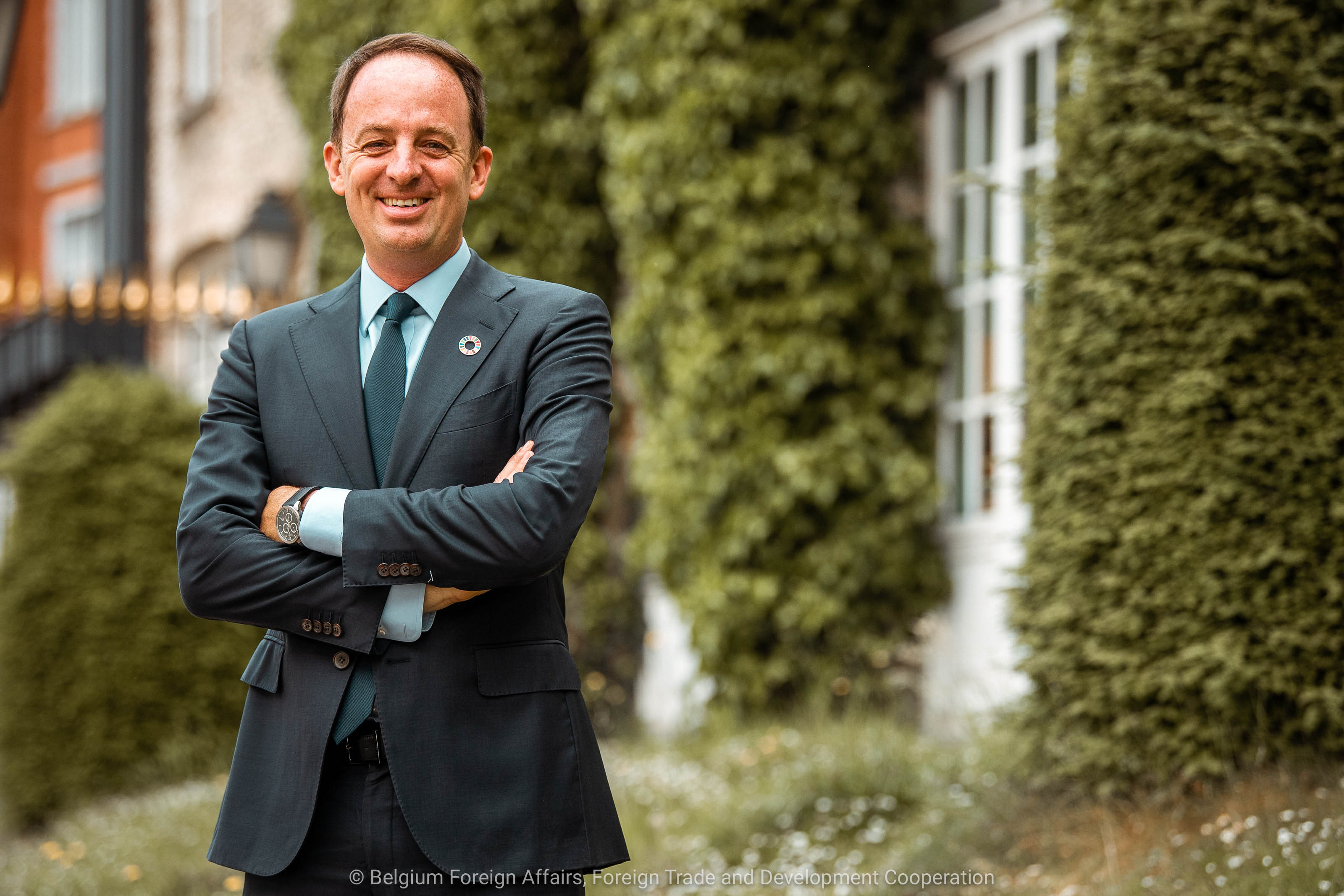
EU Regional Business Forum – West Africa Corridors: a lever for investment partnerships
Abidjan hosts EU Regional Business Forum to drive investment along West Africa corridors, with Enabel facilitating partnerships and growth.
Read more
 News
News
26 March 2026
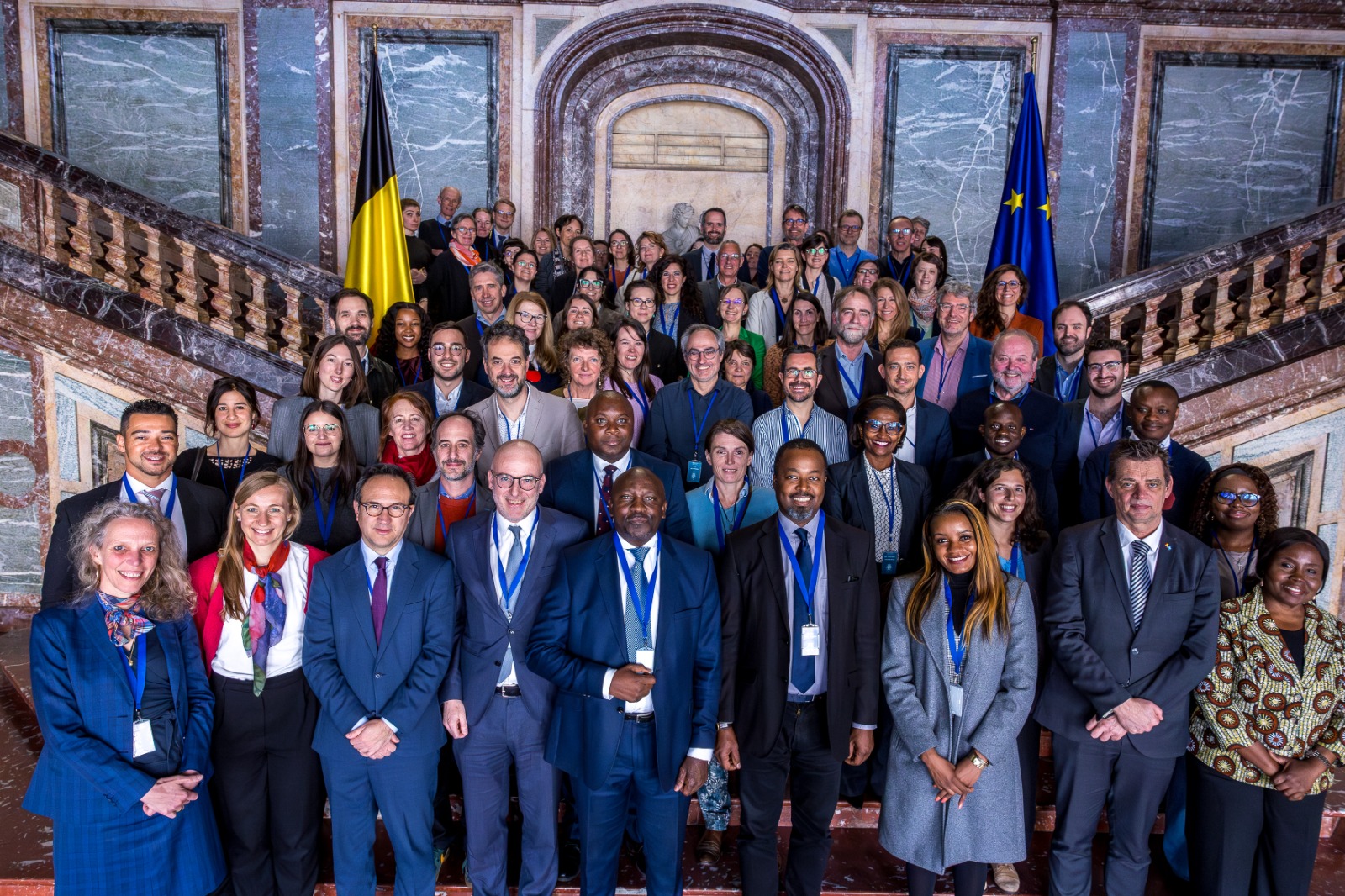
Team Europe convenes high-level event to boost Social Protection in Sub-Saharan Africa
Team Europe and EU partners step up support for social protection systems in Sub-Saharan Africa to reduce poverty and inequalities.
Read more
 Resources
19 March 2026
STEP Methodology: turning jobseekers into skilled employees
STEP methodology bridges skills gaps with work-based training, job placement, and employer partnerships to boost employment.
Read more
 News
News
16 March 2026
Enabel spearheads a new model of international cooperation through climate-driven energy investment
Belgium and Mozambique mobilise climate finance and private investment to expand renewable energy and electricity access.
Read more