Interview with Mitte, Junior Expert for VVOB in Uganda
Mitte is working as a Junior Expert for VVOB in Gulu, a medium size town in Uganda. She was trained as a socio-cultural worker, an anthropologist and an education scientist. For her master thesis, she conducted research in Benin. In that research she worked on the rice value chain together with Beninese farmer groups, the NGO Rikolto, and Colruyt. This experience sparked her interest in agriculture, an interest she is putting into practice as a Junior Expert in Agricultural Education and Training.
Who are you Mitte?
At the age of 4, I took a plane to Zambia. As a little toddler, I was taken into my parents’ dream of becoming NGO workers. My mother worked for five years in the Nkruma teachers’ training college for the Belgian organisation VVOB. Together with a group of strongly committed Zambians, my father supported the foundation of a school in Makululu compound. Thanks to the strong community ties, the school with its 2000 students is now structurally anchored and the teachers are on the payroll of the Zambian government. Sustainable impact, check!
25 years later, I decided to take the plunge myself. After an intense selection organised by the Junior Programme I was matched to VVOB as a Junior Expert Agricultural Education and Training. Yes, indeed: VVOB. Coincidentally the same organisation where my mother worked so many years ago.
What skills are needed to take on the role of Junior Expert Agricultural Education and Training?
I have worked at the Institute of Development Policy (IOB) at the University of Antwerp. My responsibility was on quality assurance and innovation of education in three advanced master programmes in development cooperation. 90% of our students were from sub–Saharan Africa, Asia and Latin America, the majority with professional experience as NGO workers. Together with the Australian start-up GenSpeak, we developed a mobile application for the University Foundation for Development Cooperation (USOS) to match international staff and students with buddies who are at home in Belgium.
It is a tool to meet up with locals and integrate, based on mutual (learning) interests e.g., language exchange, culinary experiences, hobbies, socio-cultural soft skills etc. A kind of academic Tinder so to speak.
How is Agricultural Training organised in Uganda?
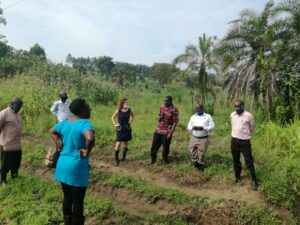
Since Agricultural Training in Uganda is very theoretical, VVOB’s objective is to make agricultural education and training more practice-oriented. This happens in partnership with the Ministry of Education, school leaders and lecturers.
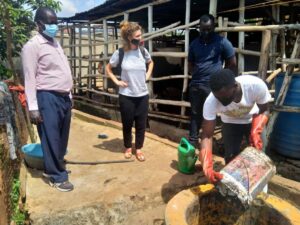
To this end, the team and I work closely with the agriculture departments of the National Teachers Colleges (NTC) Mubende and Unyama and National Instructors College Abilonino (NICA) where new teachers are trained. The NICA students do six-week internships. In addition to a pedagogical internship and practical internship, where they grow a crop or take care of livestock, they do an internship at a farm, agri-business or research centre. At VVOB Uganda, I am responsible for supporting the latter: “Industrial Training” or IT.
What does a Junior Expert in Agricultural Education and Training actually do?
I am working with NICA lecturers to expand the network of IT hosts across Uganda and improve the quality of internships. The aim is to work on competence-based and student-centred learning with a strong link to the world of work and a focus on skills for entrepreneurship. We are also creating synergies with other (Belgian) NGOs.
Amongst others, we developed action-oriented assignments to challenge students to practice with different skills and keep track of their learning experiences. During the development process, I encouraged lecturers to find a balance between theory and practical learning activities. The aim is to support both cognitive, interpersonal and practical skills development and accommodate different learning styles
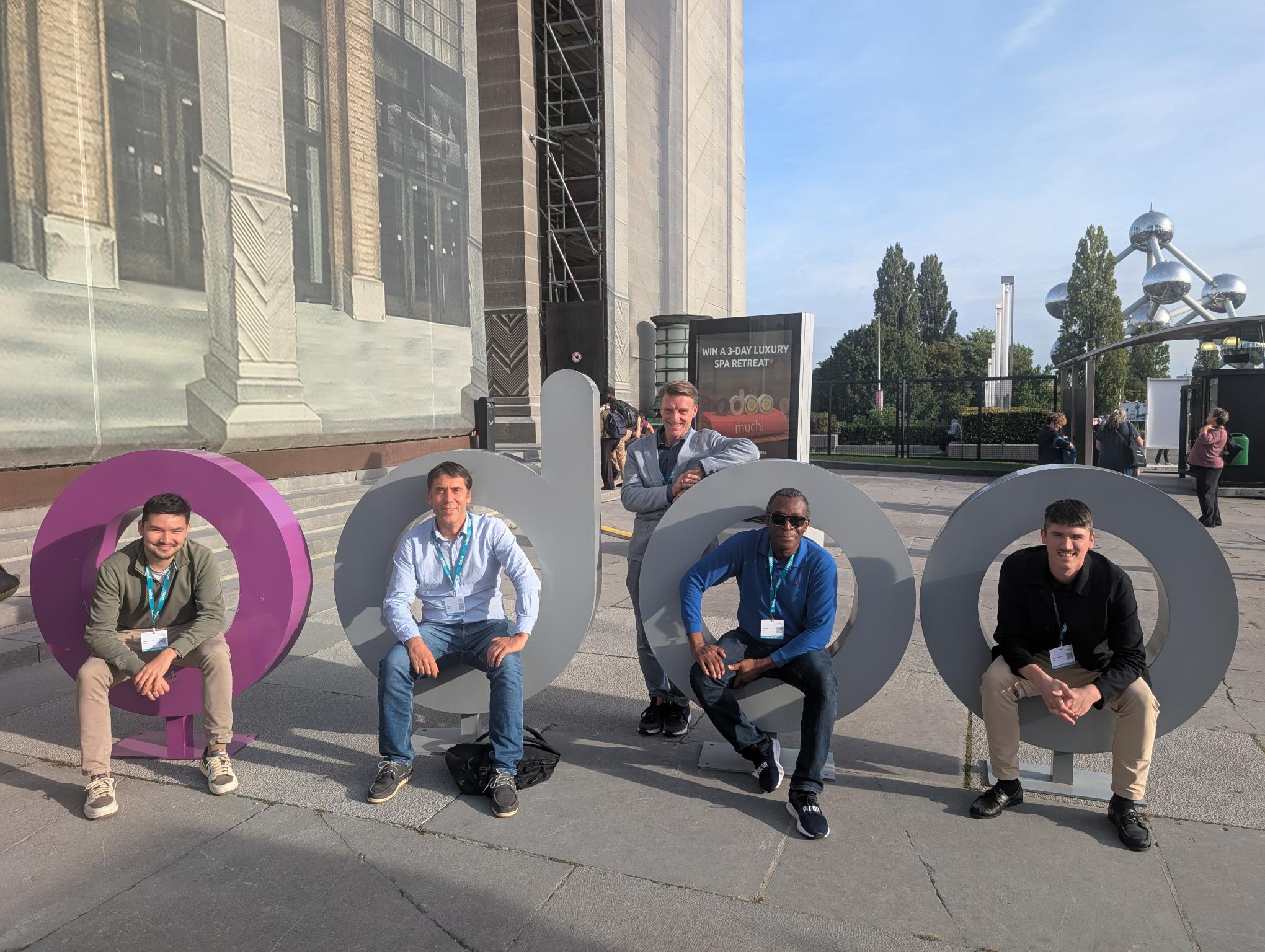
To coach students in defining their personal learning objectives and reflect on their strengths and challenges, we are developing an agricultural game with the Ugandan consultant Zzimba games, who I got to know via an event of the Belgian organisation OvO (Entrepreneurs for Entrepreneurs).
Besides that, we developed different digital tools:
With the ICT coordinator of NTC Unyama, we developed an online/offline database that collects all relevant practical information and audio-visual material on Industrial Training opportunities at host locations in Uganda.
With the Ugandan consultant Maarifasasa, we developed 360° virtual company tours that are available both on- and offline as an alternative to exposure visits or in preparation for an Industrial Training internship. In this way, students can visit their potential hosts virtually, since they are sometimes at the other side of the country, before choosing the best match for their training locations.
In absence of the communication advisor, I launched the website of VVOB in Uganda together with the communication advisor at the head office. I also became responsible for the social media and gave some how-to training to our team, like on making simple videos and photographs with your smartphone and on digital education tools to make online sessions more interactive and collaborative.
Why did you choose for the Junior Programme?
The Junior Programme is an opportunity for me to build professional experience in an intercultural environment that serves as a springboard to a future career in international cooperation.
“The experience contributes to my personal and professional development as world citizen and international employee. I am entrusted with interesting responsibilities and thankful for the professional growth I gain through the Junior Programme.”
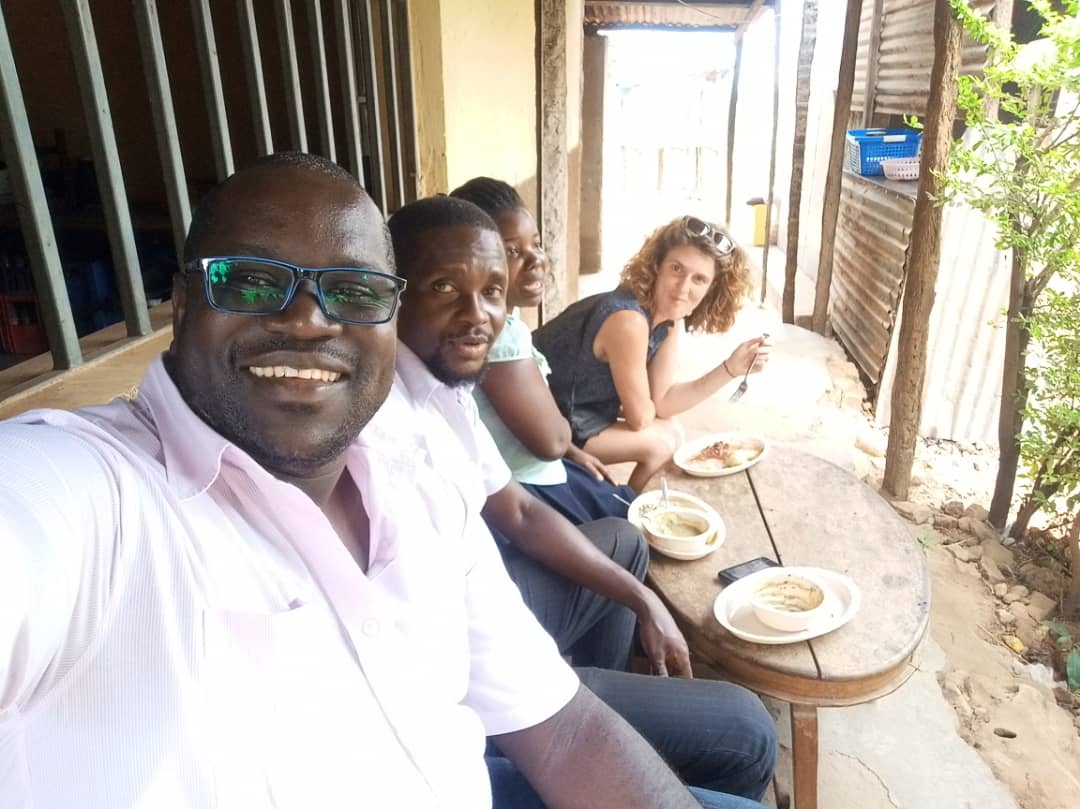
I work in a great team with passionate, warm, and inspiring colleagues. During lunch break, we enjoy delicious meals prepared on charcoal at “mama’s”. In addition to my portion of calories, during these moments I gain insights into Ugandan traditions, ways of thinking, family concerns and humour. Uganda is becoming more colorful and profound day by day.
What are you learning on a personal level? What skills have you developed through this experience?
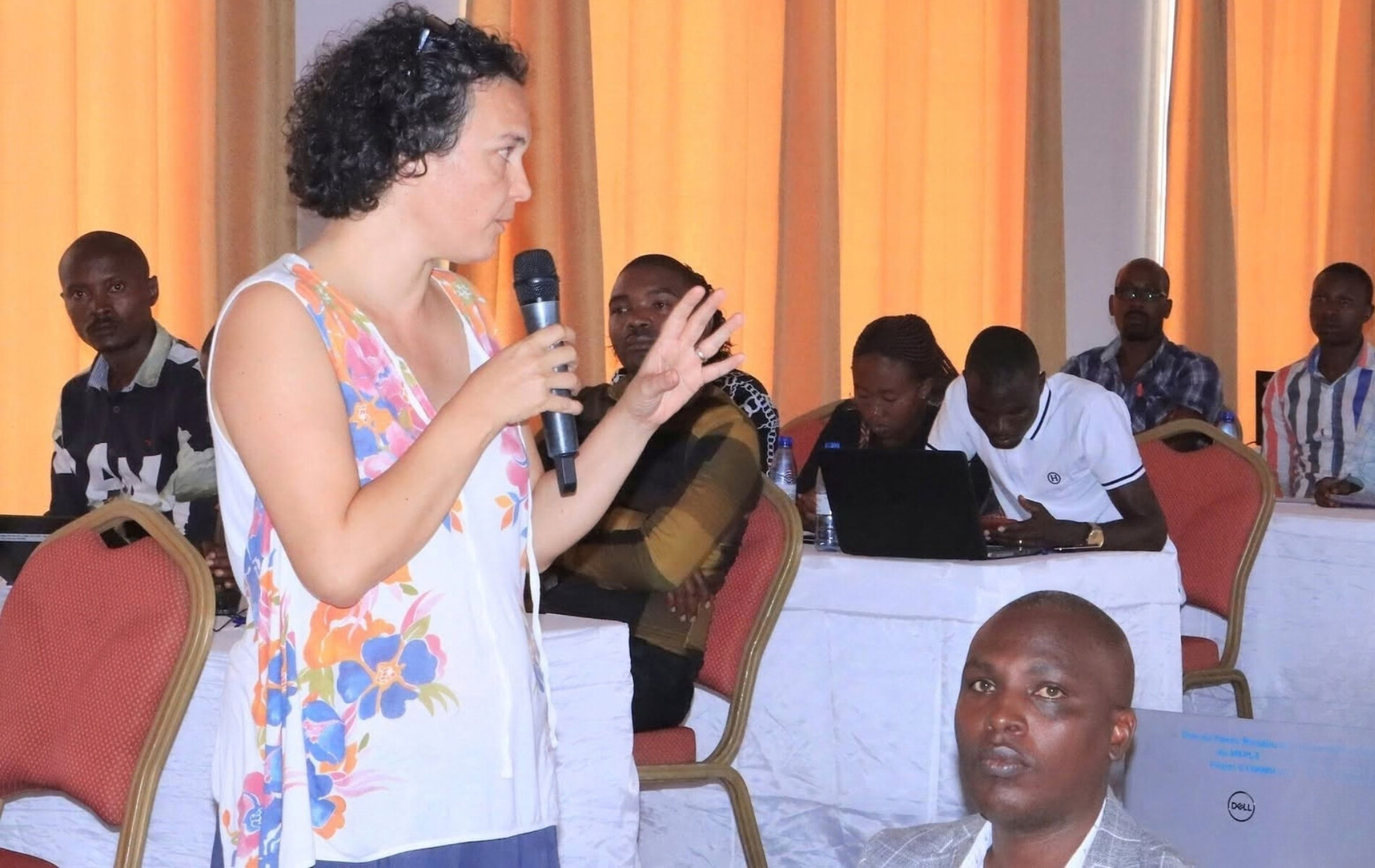
I am deepening my expertise on building inclusive digital solutions in challenging settings where connectivity and infrastructure are not always a given. My skills in facilitating interactive online or blended training sessions are extending, a.o. by assessing new hands-on methodologies for digital or blended interactive learning for adults.
Ugandan lecturers enrich me with their perspectives and teaching methods. This deepens my understanding of culture-responsive pedagogy and flexibility when reality requires a different approach. This experience enlightens me in the challenges we are facing towards decolonisation of the international ‘development’ sector.
The necessity of recognising prejudices, privileges and structural racism within myself, the organisations that I work for, and the partnerships I am part of. The need to co-create successful solutions with partners to have sustainable impact. The need of culture-sensitive coaching and mentoring by providing and receiving constructive feedback in a diverse team to empower each other and collaborate more effectively and productively together.
The importance of always taking a modest position as a learner in a new context where alternative frameworks are at play that require nuance and dialogue. The need as a foreign newcomer without any thorough knowledge of context and history, to temper my own ideas and seemingly straightforward solutions. The need to develop intercultural cooperation strategies and facilitation skills to build inclusive organisations and equal partnerships.