News
18 November 2026
Empowering women, from agriculture to science: Enabel and UNamur, a growing partnership
For several years now, Enabel and the University of Namur (UNamur) have been working together, driven by a shared conviction: Only if women fully benefit from development can development be sustainable. Have a look at how collaboration is built, step by step, in Benin, Senegal, Tanzania, Mozambique, Jordan and Ukraine.
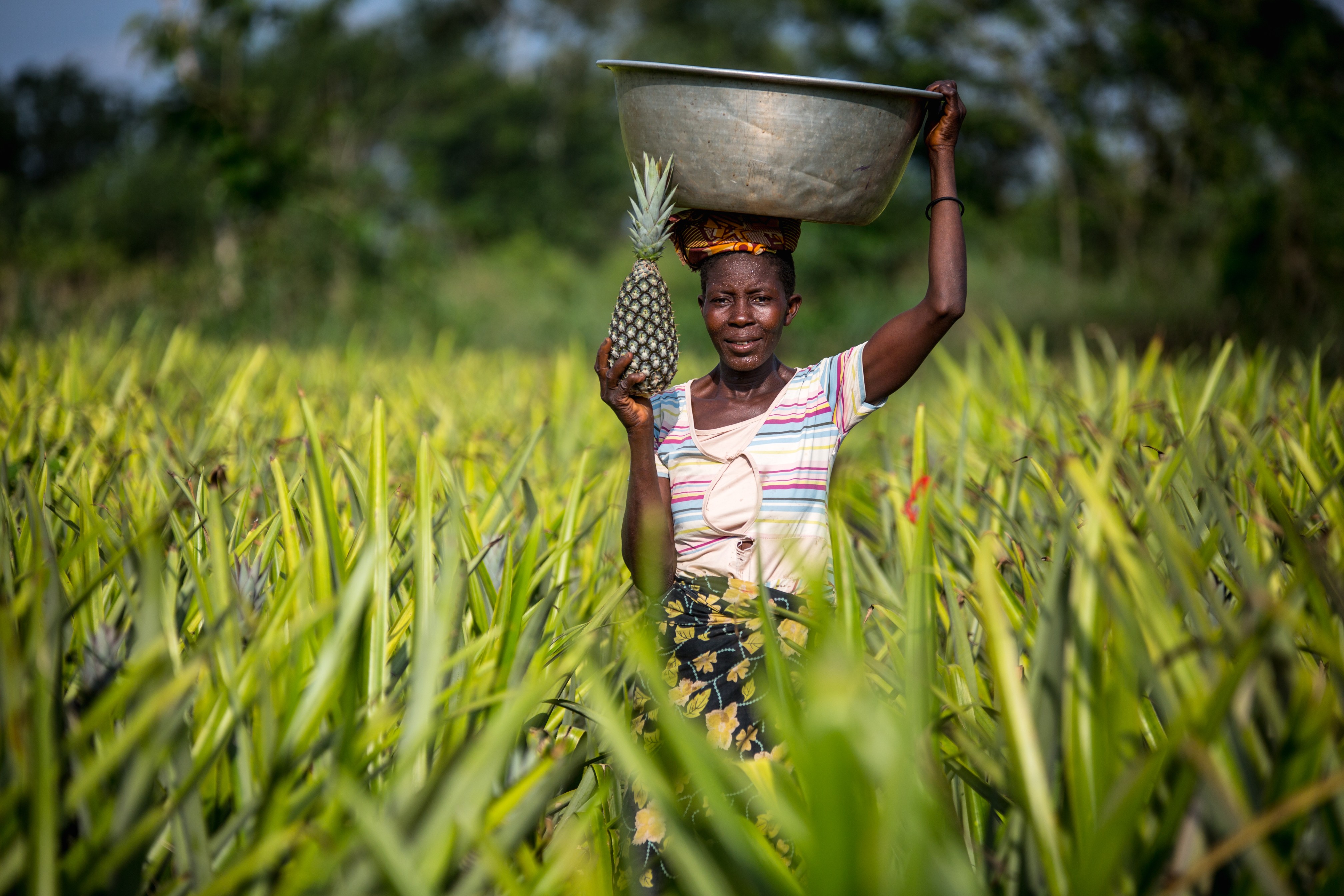
A fairer pineapple supply chain
In Benin, women play a major role in the processing and marketing of pineapples: They account for 55% of processors and 78% of traders. Yet, in 2019, they accounted for just 15% of producers. The reason for that gap lies in social norms that restrict women’s access to land as well as to credit, training and support networks.
The ‘Development of Entrepreneurship in the Pineapple Sector’ (DEFIA) programme (2019 to 2023) was set up to address this. Enabel, in collaboration with the local authorities, brought several partners on board, including the University of Namur. Together, they combined a range of approaches: advocacy work to facilitate women’s access to land, a nine-month training and coaching programme, assistance with clearing stumps, ploughing, planting and laying protective film, and support in obtaining identity cards, which are essential for accessing credit and land.
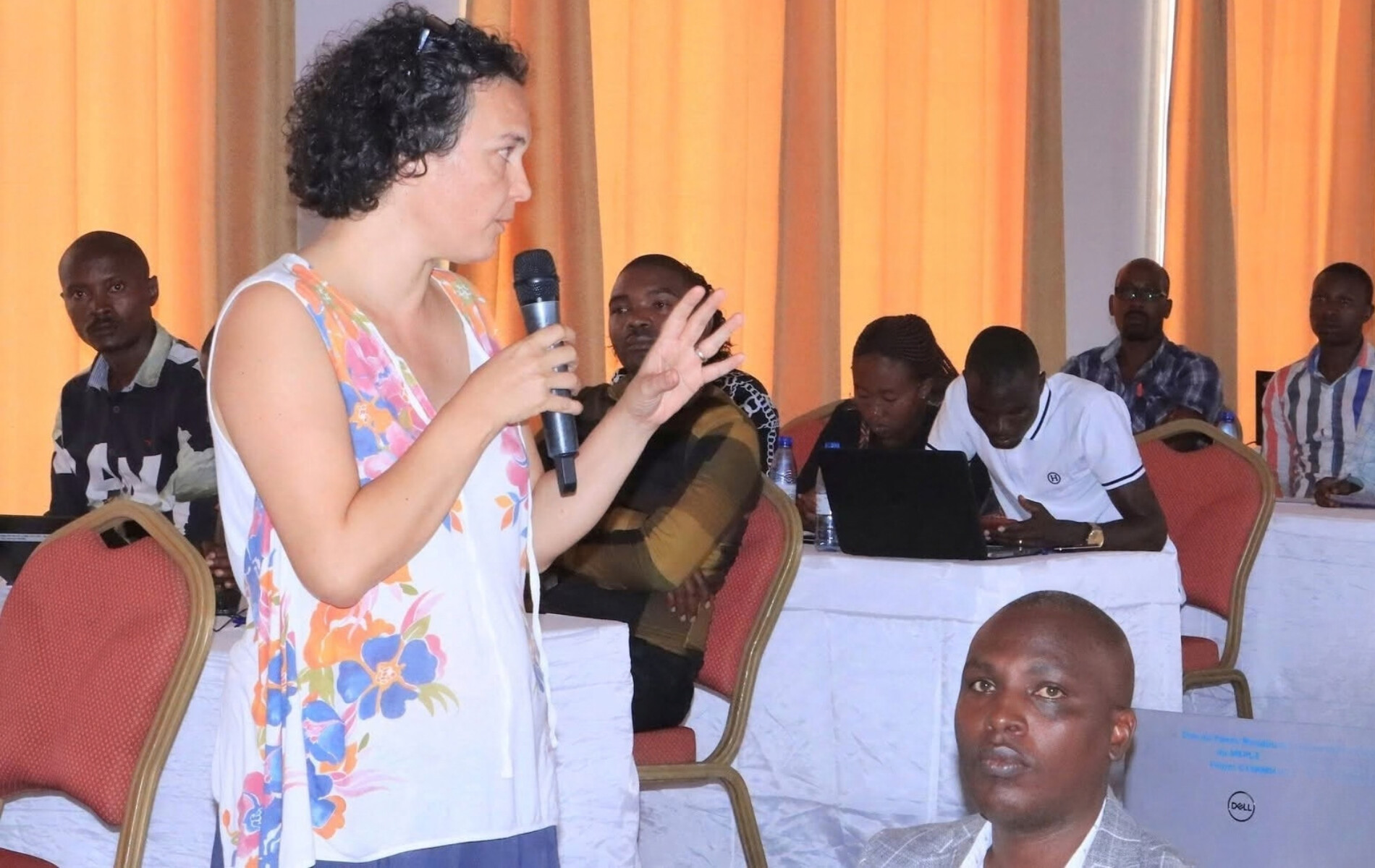
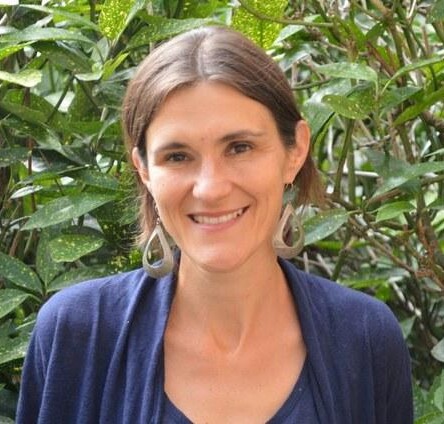
Catherine Guirkinger, a professor of economics at UNamur, coordinated the research component. According to her the programme highlighted an often-overlooked advantage of programmes supporting women:
Supporting women in agriculture does not mean just helping individuals but helping entire households instead. Family chores, decisions about work and arrangements between spouses are being reconsidered. Such adjustments may either strengthen or hinder women’s empowerment. This is where research comes in: It allows analysing these dynamics in detail and helps us to design activities more effectively.
Through action research, by observing, testing, measuring and then adjusting, UNamur identified the barriers and the activities that were working. Among DEFIA’s key findings:
- More than 670 women – representing 77% of the country’s women pineapple growers – enhanced their entrepreneurial, financial and technical skills.
- Women’s participation in pineapple production rose from 15% in 2019 to 30% in 2023. Thanks to the programme, the women involved have doubled the area of land they use for pineapple production.
- Nearly 40% of the women surveyed have gained greater autonomy in decisions concerning their personal lives and households.
- Nearly 65% of them say that the project enabled them to gain access to credit and microfinance, thereby strengthening their capacity to invest and their economic independence.
A new milestone for women in science and digital technology
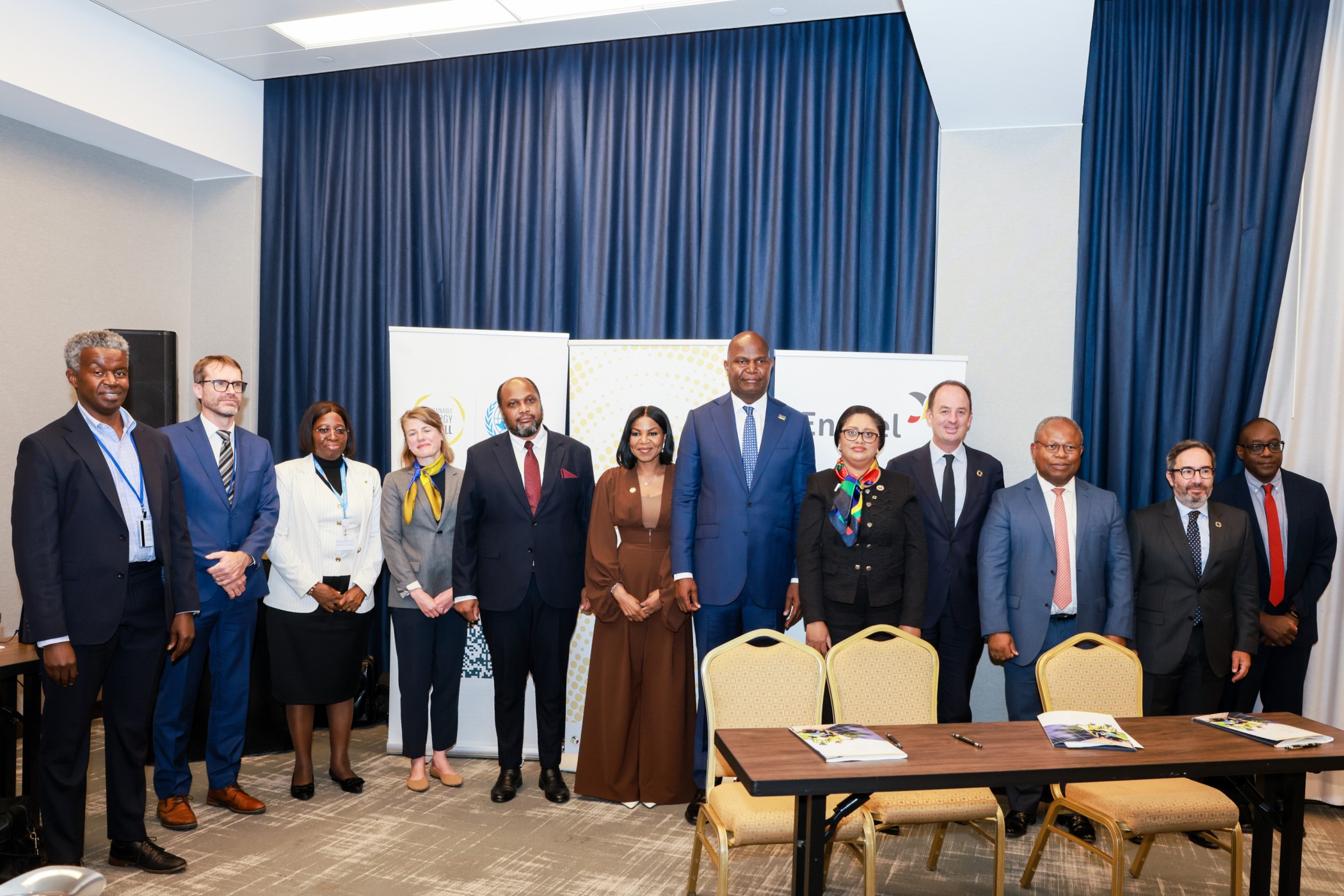
Building on this experience, Enabel and UNamur have taken a further step forward. The signing of a framework cooperation agreement will make it easier to draw on academic expertise in future projects. The first to benefit from this is the Women’s Leadership in Information and Communication Technology (WLICT) project.
It aims to promote access for girls and women to education and careers in STEM subjects: science, technology, engineering and mathematics. These sectors at the heart of the digital transformation do indeed largely attract men. WLICT is a European project being implemented in Senegal, Tanzania, Mozambique, Jordan and Ukraine.
Julie Henry coordinates the research at UNamur. Within the project, Enabel coordinates the component focusing on the participation of girls and women in STEM. It combines raising awareness of STEM topics, career guidance, participation in STEM clubs, IT training and the building of lasting networks amongst the participants.
For its part, UNamur, through its Institute for Research in Teaching and Education (IRDENa), is contributing its scientific expertise to gain a better understanding of the barriers and success factors associated with the participation of girls and women in STEM. It works with partners to build a community of practice bringing together researchers, educators and STEM professionals, to share best practice and to devise mentoring schemes for young women.
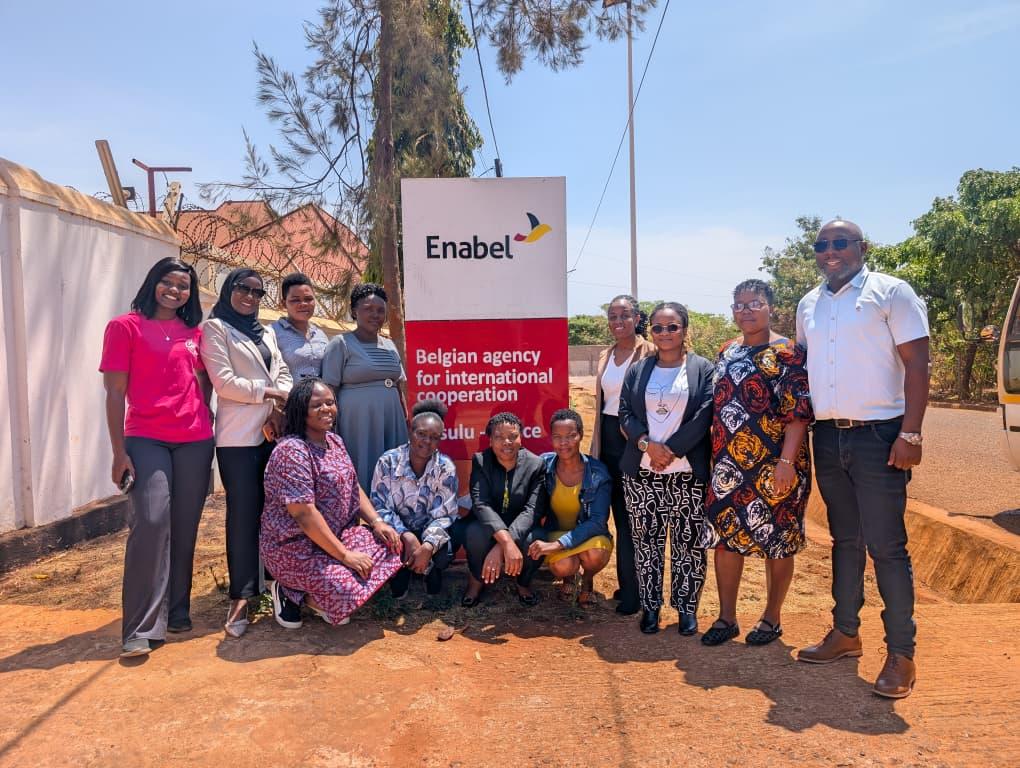
to become role models in support of the WLICT project.
A partnership that goes further
Collaboration between Enabel and UNamur through DEFIA and WLICT show that academic research benefits from engaging with real-world challenges and that international cooperation benefits from being underpinned by scientific rigour. Together, the two organisations aim to promote women’s economic empowerment, both in rural areas and within the digital sectors of the future.
“This partnership is an opportunity for mutual learning: UNamur contributes its expertise and networks, whilst Enabel and its partners in the five countries contribute practical experience drawn from their day-to-day work with schools, public institutions and young women. Together, we want to identify and promote solutions that enable more girls and women to enter STEM fields, succeed in them and take on leadership roles.”
Céline Mewissen, WLICT Project Manager at Enabel
This partnership now serves as a resource for the women, organisations and communities that work with us. It shows that targeted investment in equality yields benefits that extend beyond the scope of a single project, whilst strengthening links between academic and public sector stakeholders, civil society and the private sector.