Water & sanitation
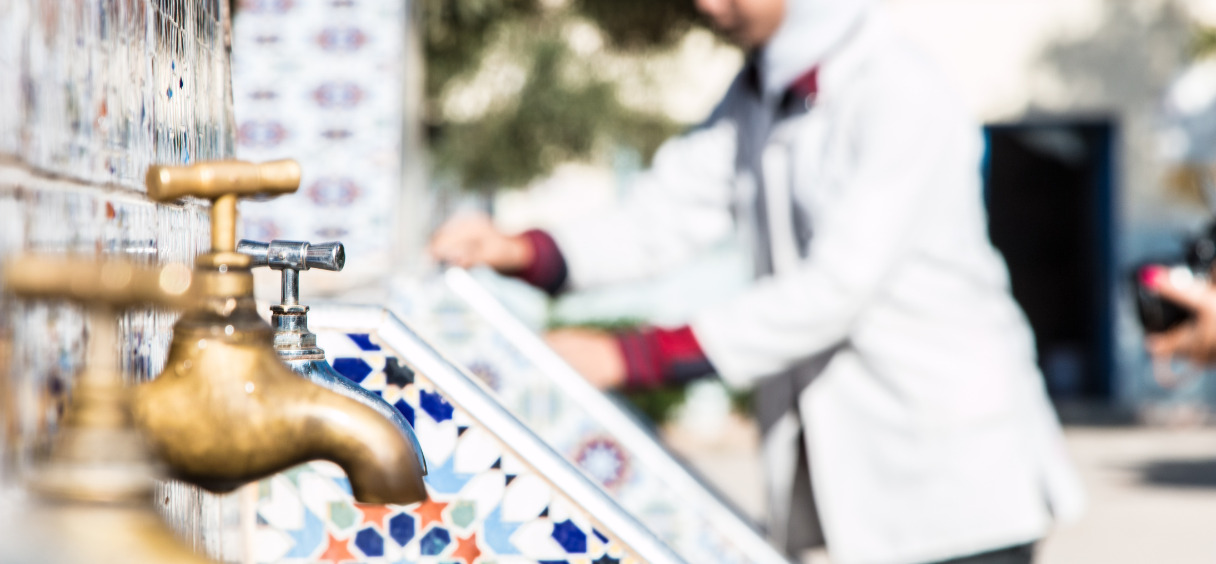
Access to water and sanitation constitute both a need and a basic right for people all over the world. It affects public health, gender equality, the environment and economic processes.
What we do
Access to drinking water and sanitation
Through a partnership with users groups and public operators, we contribute to the construction of infrastructure in view of improving peoples’ access to drinking water. We increase production capacities, develop water distribution networks and improve water quality. As a consequence, water chores, which are usually carried out by women and young girls, become less time consuming.
We help people to improve the local environment, mostly through awareness-raising activities and the installation of equipment (drainage of runoff, evacuation and treatment of waste water, latrines, etc.).
Water & agriculture
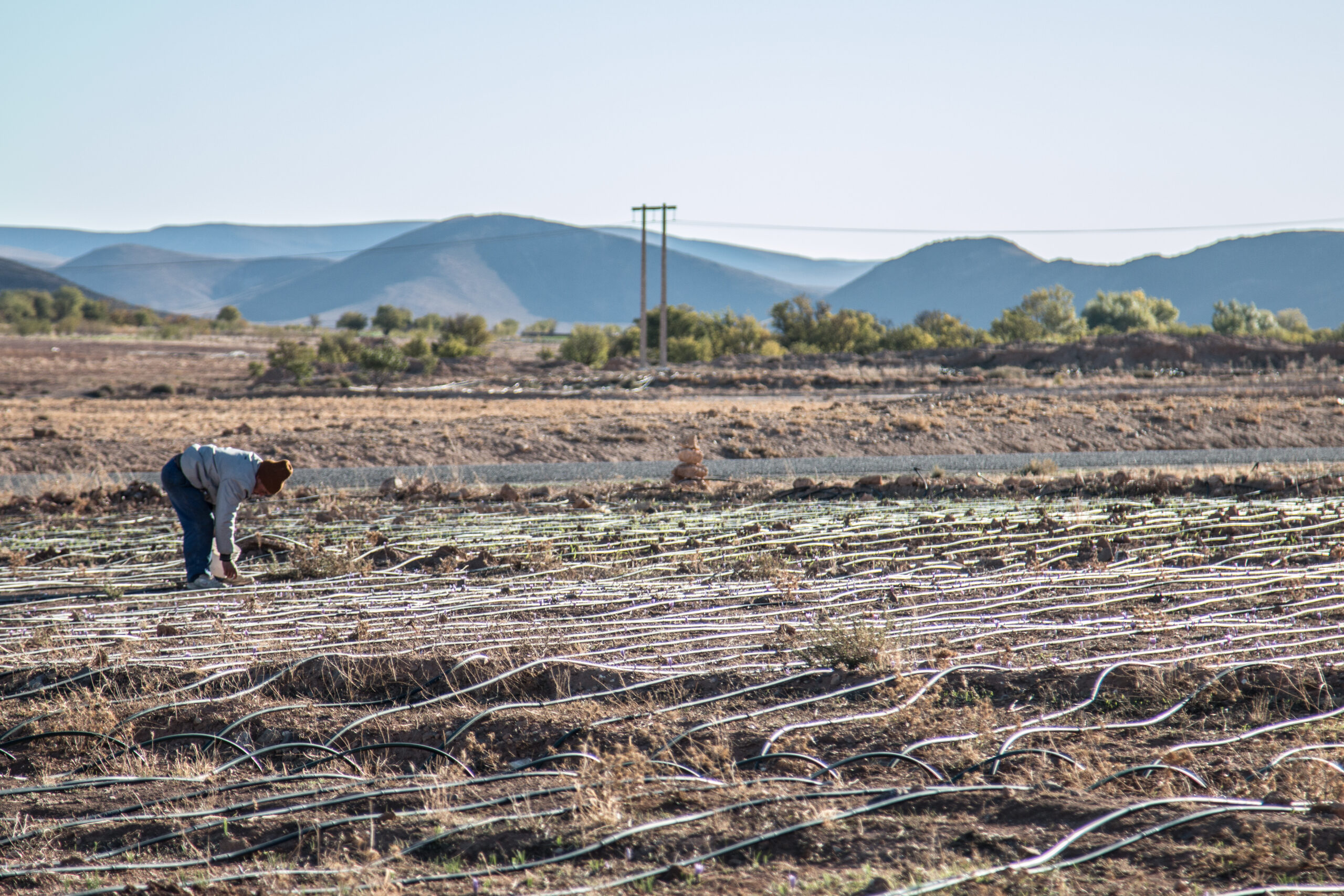
We also intervene in the area of water for production aiming to enhance agricultural productivity, to foster the diversification of production and year-round cultivation. To do so, we build infrastructures to store and supply water to the crops and to protect farm land from the risks of flooding (dams, embankments, irrigation networks, wells, etc.). We also assist users with putting in place management systems for these installations.
Capacity development
We provide advice to our partners and strengthen the actors involved in water management – from user-consumers up to the state departments and including water professionals. Governance of the sector, and the planning and the management of infrastructure constitute essential axes of our assistance in view of ensuring sustainable service-delivery and the right to water.
Integrated Water Resources Management
Integrated Water Resources Management is a process which promotes the coordinated development and management of water, land and related resources in order to maximise the resultant economic and social welfare in an equitable manner without compromising the sustainability of vital eco-systems (Global Water Partnership, 2000).
To enhance the sustainability of water resources we support the various actors and users to work together through the installation of Integrated Water Resources Management programmes.
Related content
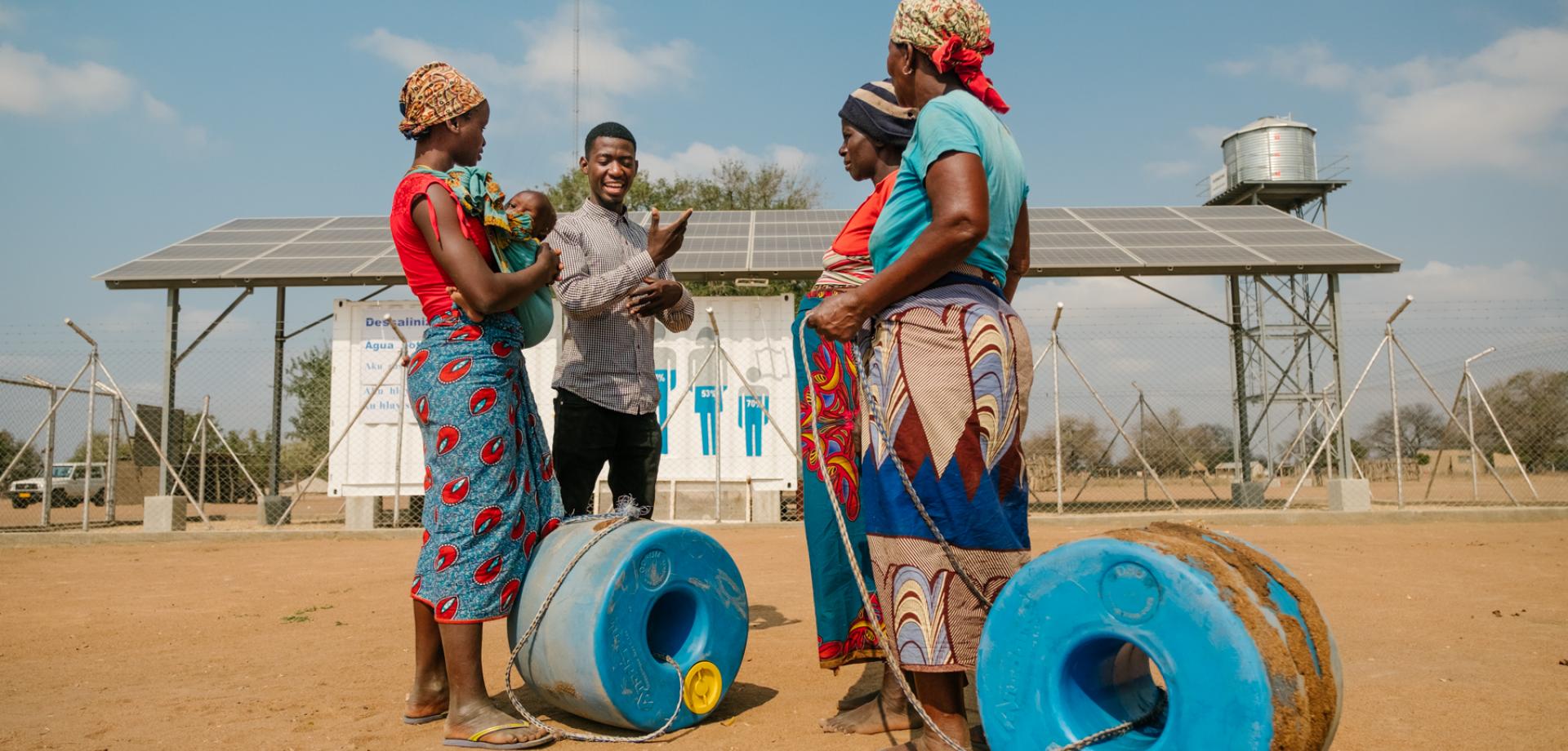
The Gaza Province in Mozambique is a dry region with few water sources. Enabel introduces new approaches that provide rural areas with better access to drinking water.
Water development in rural areas in Mozambique
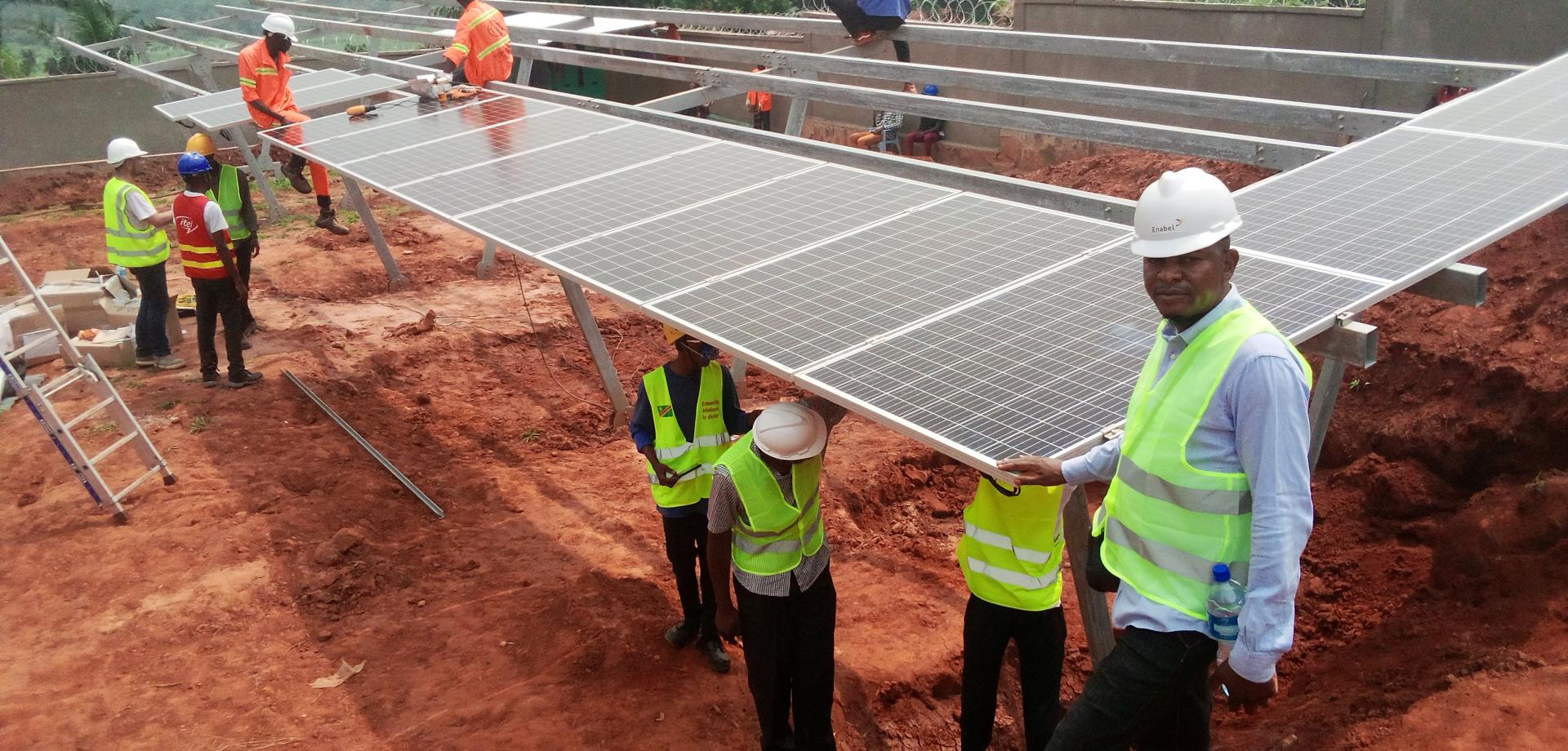
In the Democratic Republic of Congo, most households struggle to access a correct source of drinking water. But how do you solve this when there is no electricity either? Enabel tackles the problem together with local partners.
Solar panels for drinking water
News & Events
 News
News
9 September 2026
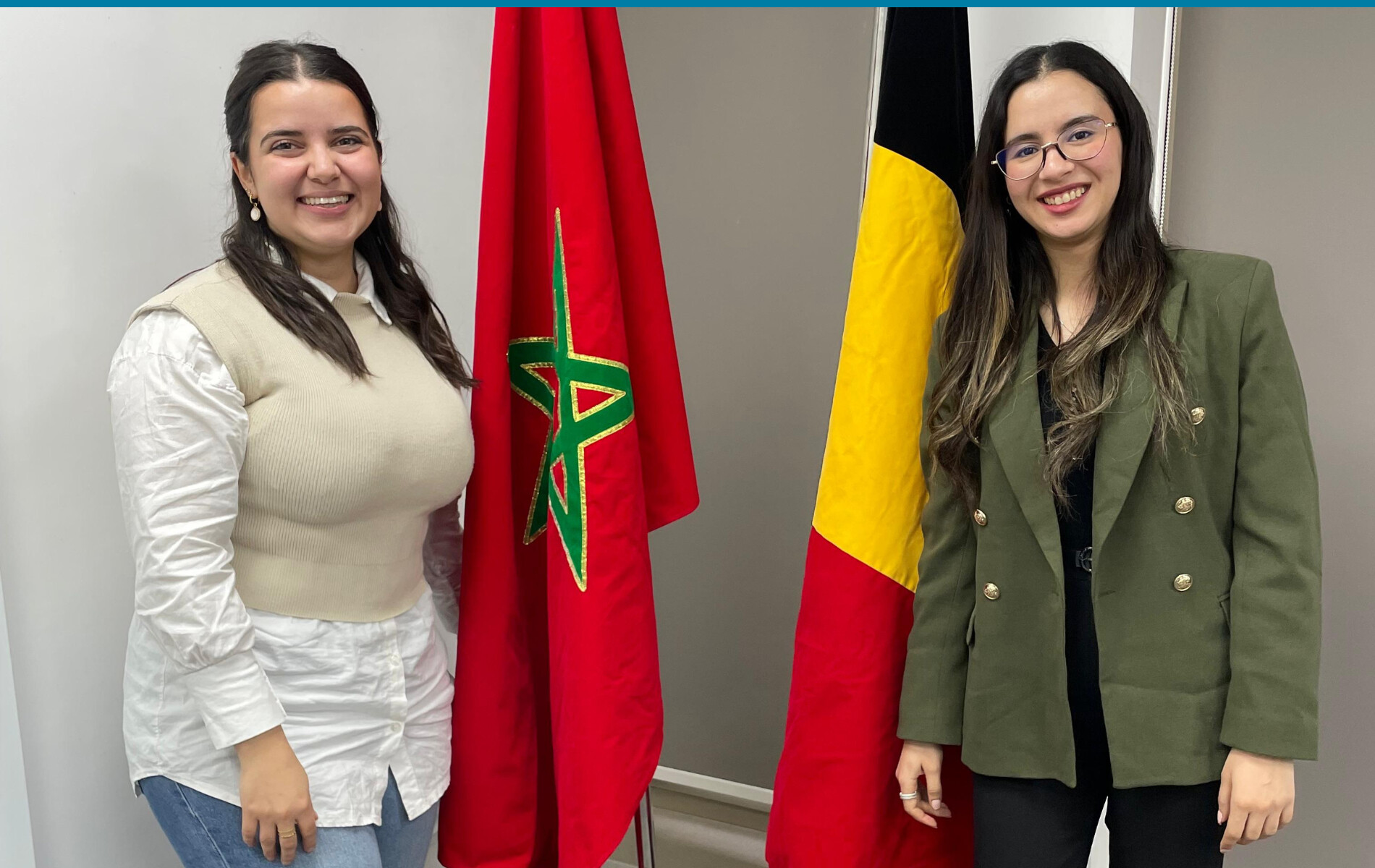
Anissa and Inas: Two young professionals with a shared commitment to Morocco
Inas and Anissa – two young professionals working for the ‘Horizons Emploi’ programme: an interview about their collaboration.
Read more
 Resources
7 September 2026
Evaluation of instruments to respond to international cooperation partners’ expectations
Enabel’s strategic evaluation strengthens development instruments to boost investment and drive sustainable development impact.
Read more
 News
News
4 September 2026
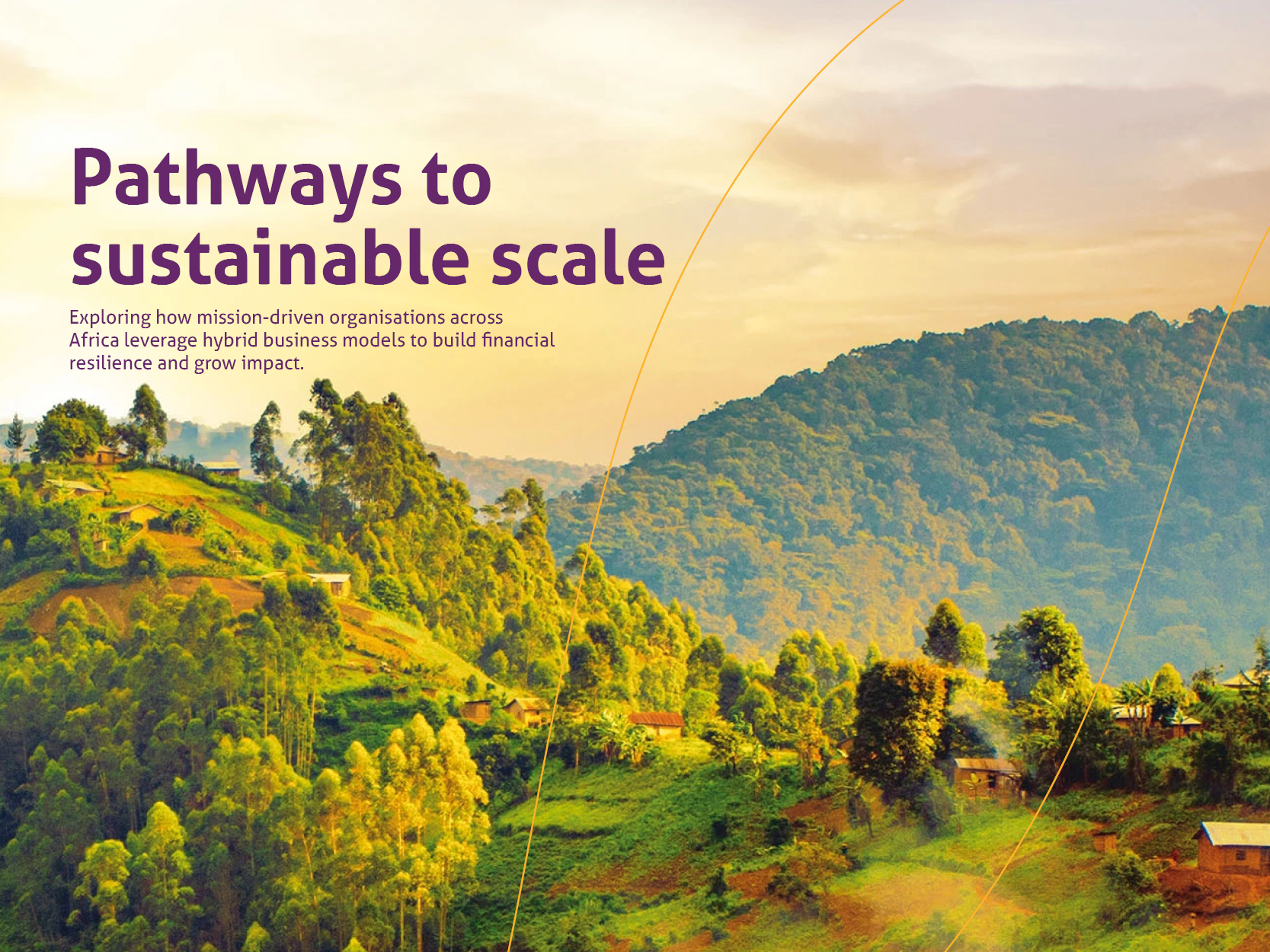
Hybrid by necessity: building financial resilience to scale impact
Discover how African mission-driven organisations build financial resilience, diversify revenue and scale impact through hybrid business models.
Read more
 News
News
31 August 2026
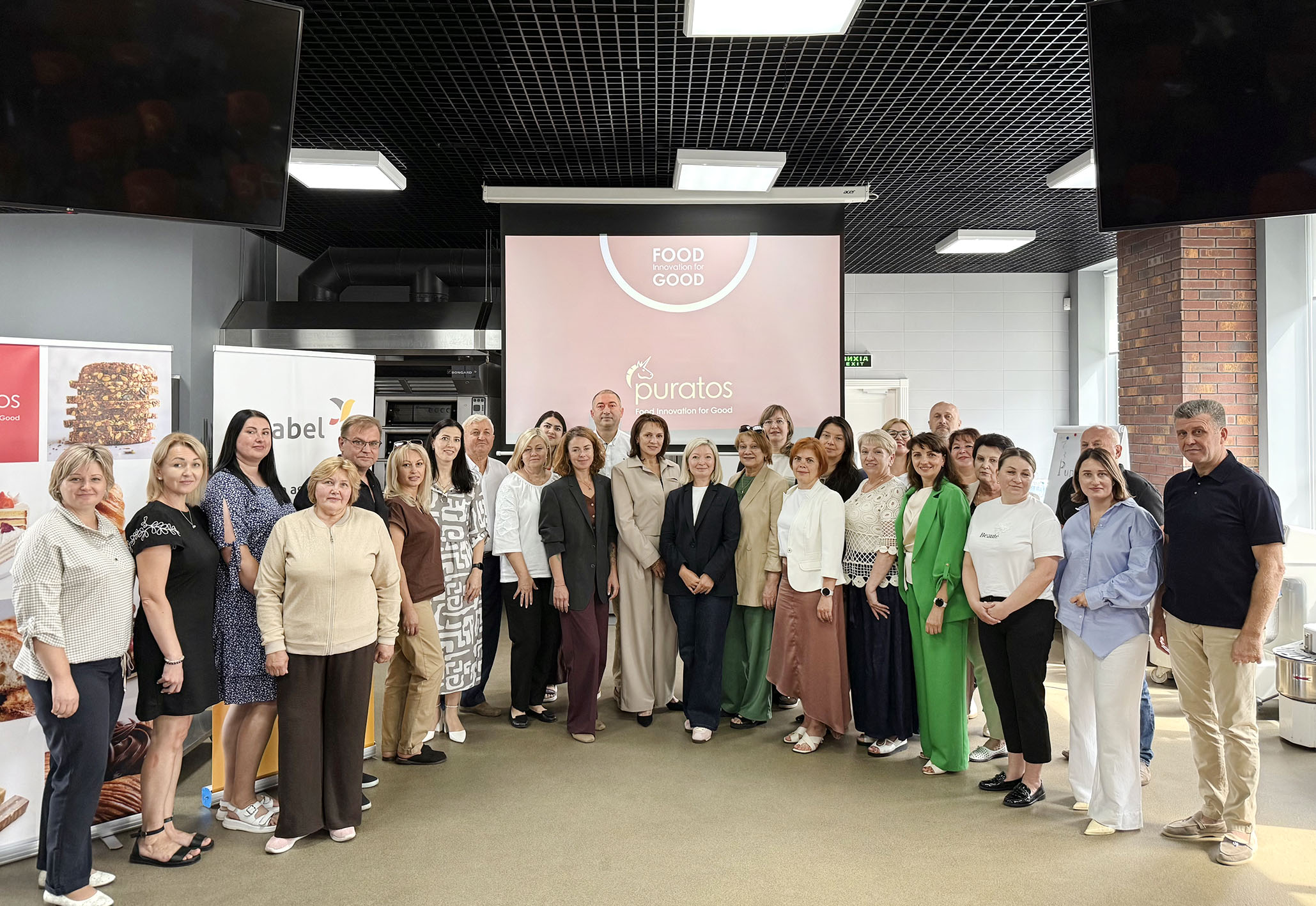
Enabel launches Junior Academy for the next generation of culinary and bakery professionals in Ukraine
Enabel launches Junior Academy training young Ukrainians in culinary and bakery skills, in partnership with Puratos across Kyiv and Chernihiv.
Read more
 News
News
20 August 2026
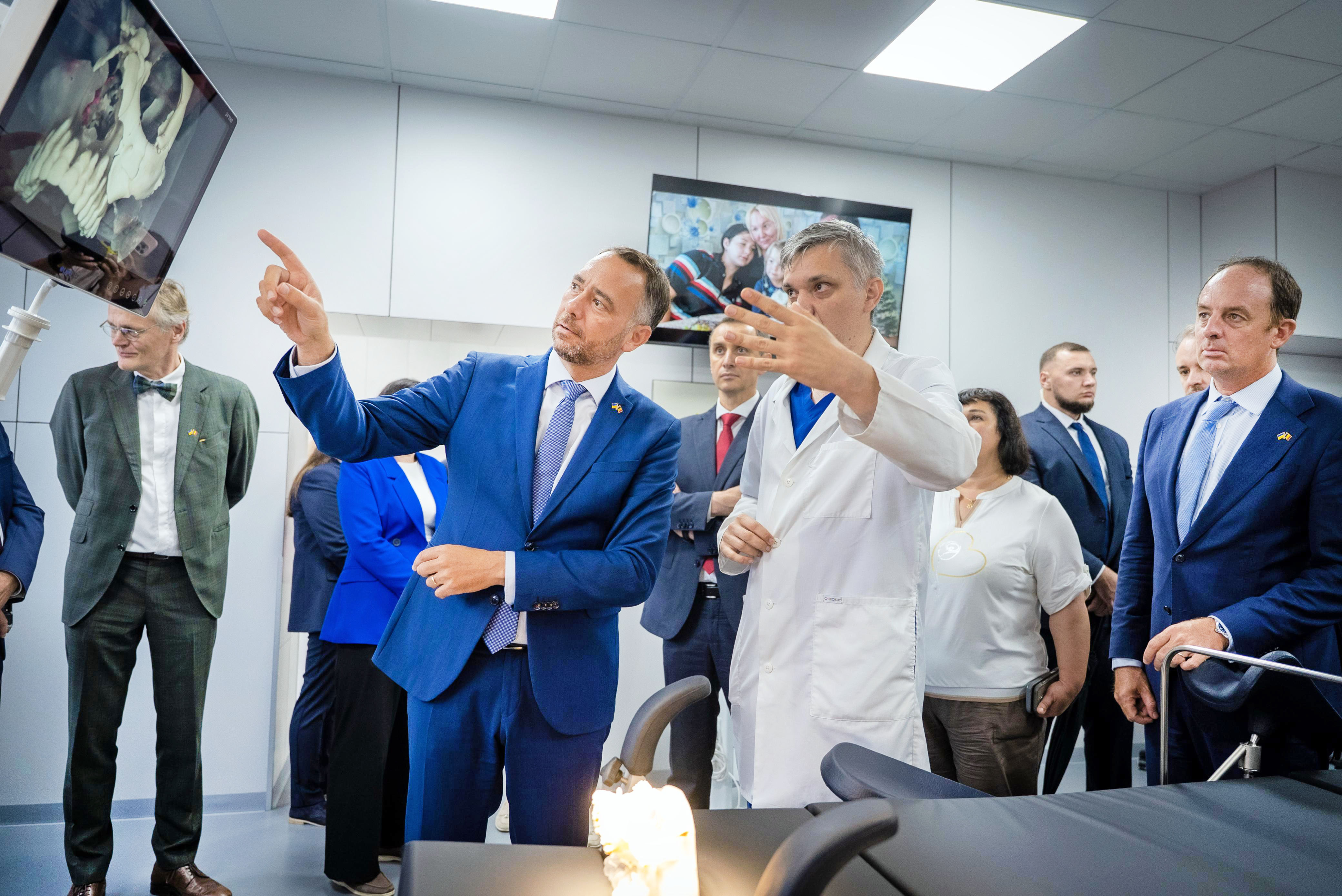
Belgium and Enabel support Ukraine’s recovery, from life-saving healthcare to safe classrooms
Discover how Enabel and Belgium back Ukraine’s recovery through healthcare, hospital renovation and safe school shelters.
Read more
 News
News
18 August 2026
Science serving practice
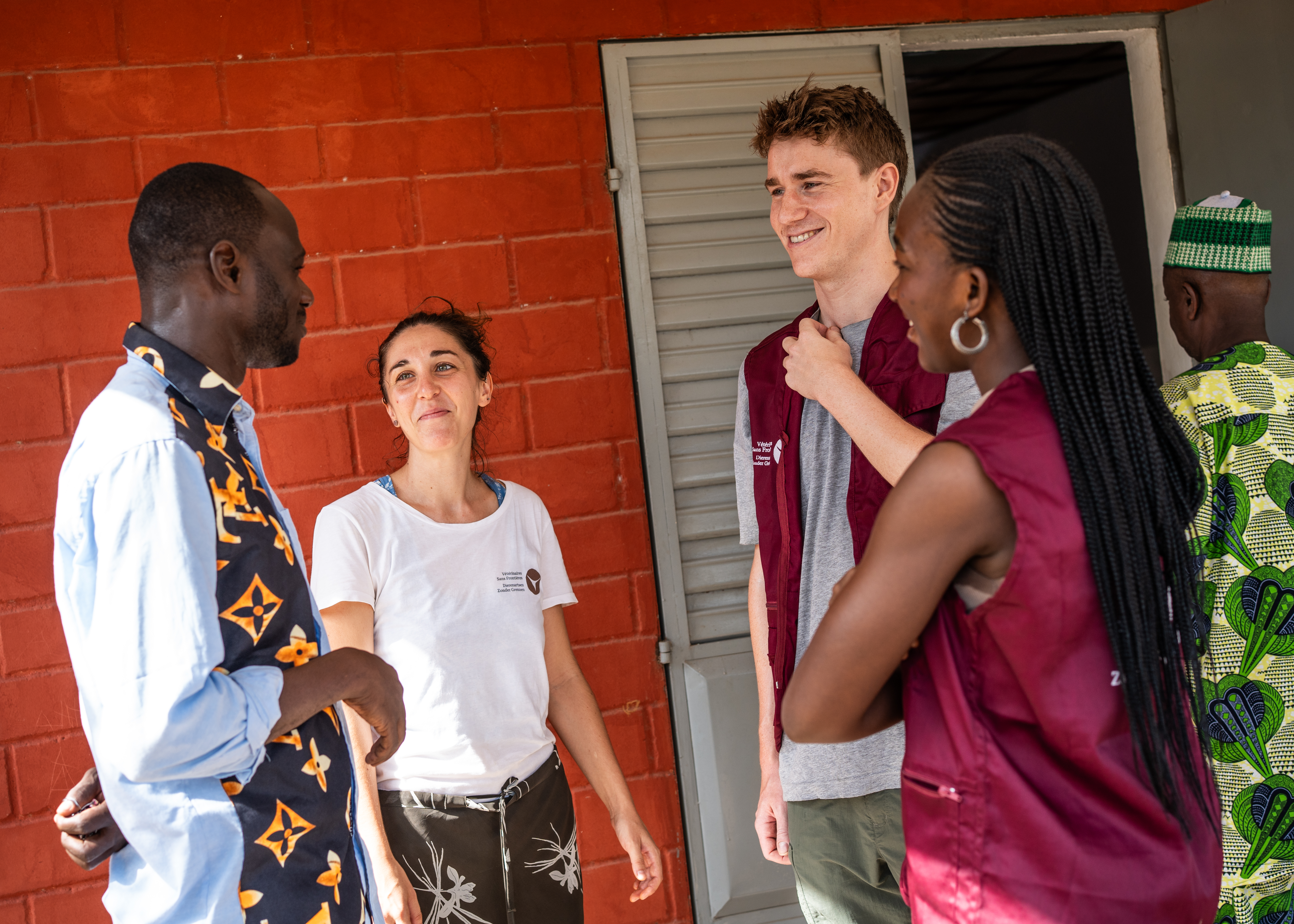
Jens works as a Junior Expert in Benin for Vétérinaires Sans Frontières (VSF), where he develops evaluation tools and helps to monitor projects.
Read more