News
10 May 2026
Sahel: stories of resilience
The Sahel region is often viewed through the prism of its fragility: persistently insecure, hit by climate change, subject to social and economic tensions. Yet, investing in its stability is also a strategic challenge for Europe.
Belgium’s commitment in the region is specifically aimed at supporting local and regional dynamics that strengthen the resilience of communities and prevent long-term tensions. In this context, Enabel supports initiatives that strengthen public services, promote the integration of displaced people and improve access to essential services such as health and education.
In Burkina Faso, this is reflected in a concerted approach to the management of natural resources. In Niger, it is illustrated by sustained investment in the education of young people – particularly girls.
Climate and natural resources: strengthening social cohesion
In Burkina Faso, insecurity, population movements and the effects of climate change are increasing pressure on access to land and water, weakening relations between communities.
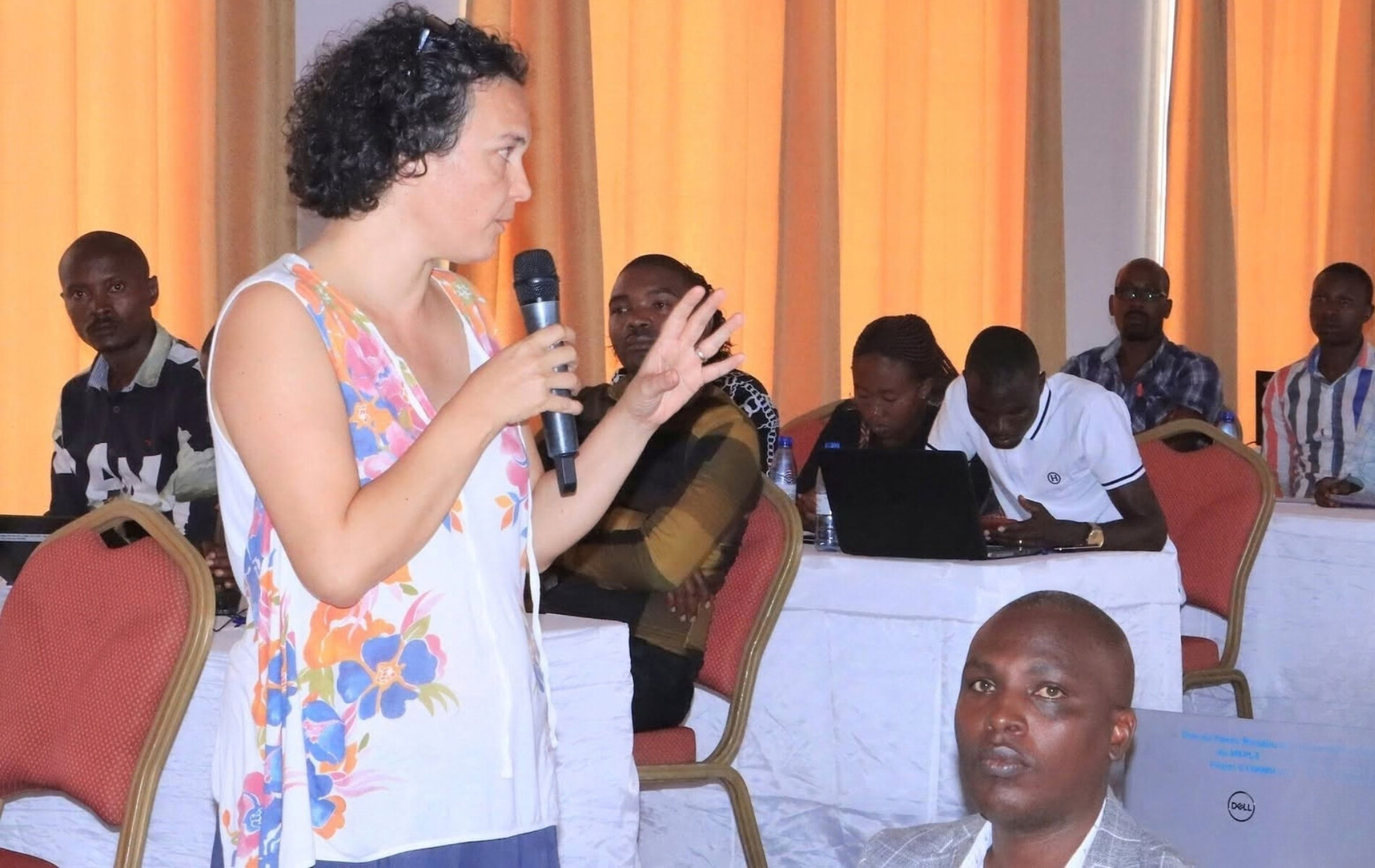
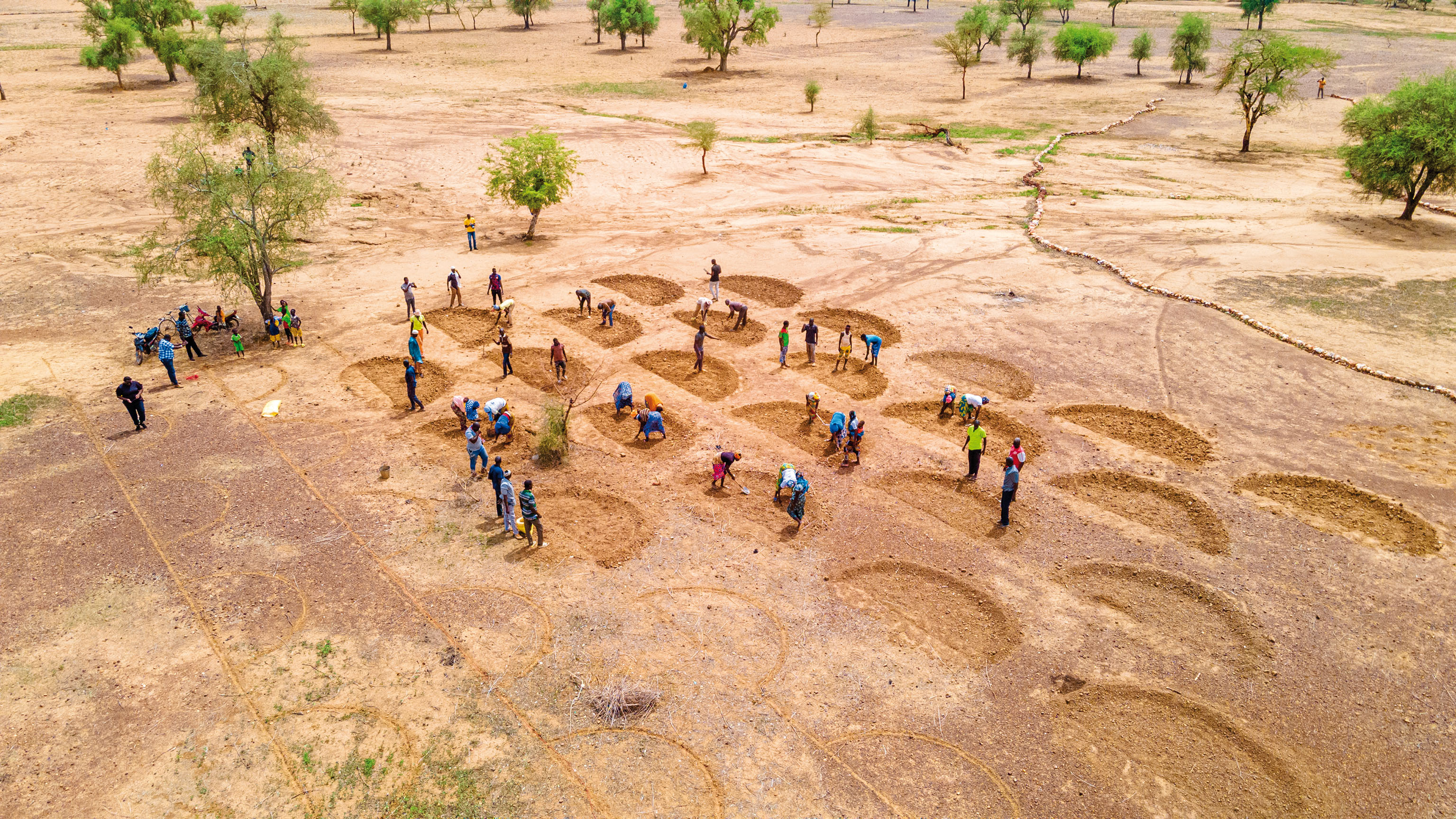
In response, Enabel supports agricultural development, in particular farmer field schools: Through this participatory approach producers adopt agro-ecological techniques, increase food and economic security and strengthen the resilience of agriculture in the face of climatic hazards.
In the provinces of Ganzourgou and Kouritenga, the development of rice fields is accompanied by work on land rights and dialogue between herders, farmers and local authorities to determine the rules of access and land management. In this way, consultation transforms a potential source of tension into a lever for stability.
At Dassoui, the construction of a watering point for livestock (pastoral borehole) has relieved congestion in areas where farmers and herders live together, reducing conflicts over access to resources: “It’s a good thing because it means we can better manage farming and livestock activities,” says the Provincial Director for Agriculture in Kouritenga.
Dialogue between technical entities, local authorities and farming communities is one of the pillars of the success of these initiatives. Minor land disputes have been resolved thanks to the commitment of local leaders.
Women are at the forefront of this approach. Sabine Ouandaogo, one of the 300 women involved in this initiative in Dassoui, explains: “We used to buy rice for consumption. Today, we produce our own rice, which enables us to send our children to school and solve our family problems.”
These initiatives illustrate how climate adaptation can be combined with conflict prevention: securing resources and supporting agriculture strengthen both social cohesion and economic resilience.
“Schools move a country forward”
In Niger, improving education is part of a wider programme focusing on access to essential health care, climate resilience and local governance.
In the rural region of Dosso, insecurity, social inequalities and a lack of infrastructure compromise access to school, particularly for girls. Early marriage – 76% of women aged between 20 and 24 were married before the age of 18 – and restrictive social norms hinder their education. Added to this are the difficult learning conditions: classrooms in straw huts, dreadful temperatures, no access to water or electricity.
Faced with these challenges, Enabel is working with Niger’s Ministry of Education to ensure that girls have access to and remain in school, while improving the quality of education.
Eight bioclimatic secondary schools, better adapted to hot weather conditions, have been built and equipped with libraries, computer rooms, laboratories and sports areas. Solar panels guarantee sustainable access to electricity, and boreholes provide access to drinking water. The construction of separate toilets for girls and boys encourages the continued presence of girls, including during menstruation.
As well as infrastructure, the project is improving the quality of teaching and local governance: training teachers in inclusive teaching methods and digital technologies, as well as preventing gender-based violence and rolling out an e-learning platform.
Local communities are also mobilised – management committees, associations of teaching mothers – to promote girls’ education: by combining a place of learning and community dialogue, this approach perpetuates social cohesion. As scholarships are introduced, the financial pressure on vulnerable families is reduced and girls – who are traditionally tasked with domestic chores – can stay at school.
In Dosso, the school is gradually becoming a real centre of life, and an essential lever for the development and stability of the region. As one village chief put it: “Schools move a country forward”.