News
9 July 2026
“Technical expertise is not enough without trust and mutual understanding”
Interview with Xavier Tezzo, former Junior Expert in Uganda in 2013
For Xavier Tezzo, international cooperation was never a distant career option, but part of everyday life. Growing up with two parents dedicating their medical careers to work in humanitarian aid and international cooperation. Xavier spent much of his childhood discovering different cultures and social realities.
“I really grew up surrounded by it,” Xavier recalls. But when the time came to choose a field of study, he deliberately took a different path. Rather than medicine, he chose agricultural sciences and became a bioengineer with a focus on marine biology.
“I was fascinated by dolphins, whales and tropical ecosystems.” However, during his master’s thesis, Xavier started rethinking his scientific ambitions. While spending two weeks aboard a research vessel in the North Sea, measuring phytoplankton concentrations in cold and challenging conditions he started to realise he might want something different. “That was the moment I understood I didn’t just want to observe the world. I wanted to contribute, in my own way, to changing it.”
The Junior Programme as a launchpad
After graduating, Xavier passed the tests of the Junior Programme and was included in the database*. Meanwhile, he completed an internship in Bangkok, where his partner was working.
He was 28 when a position for a Fisheries and Aquaculture Officer in Uganda was published, Xavier didn’t hesitate: “It was exactly the opportunity I had been waiting for.”
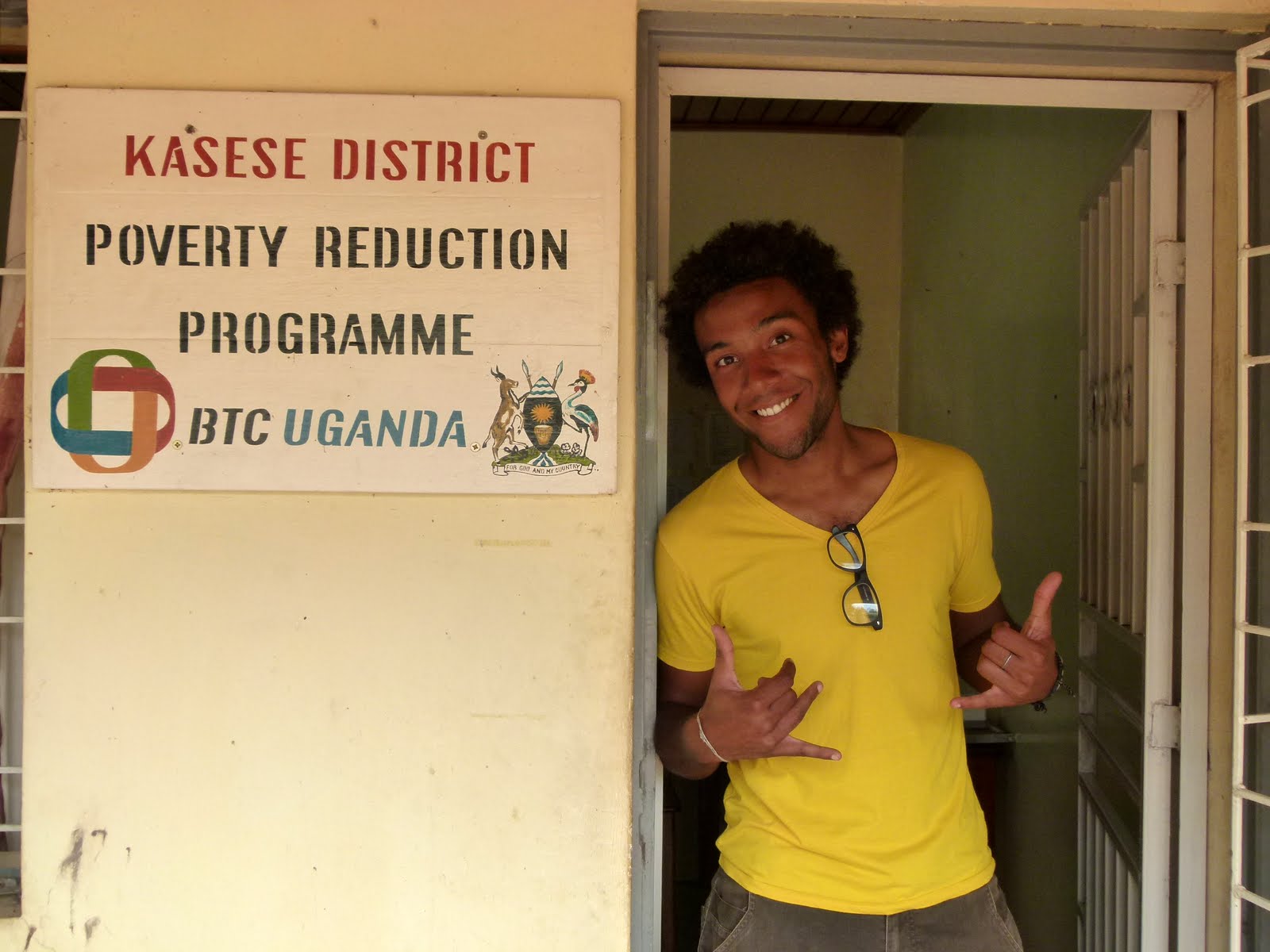
A few months later, he arrived in Kasese, in Western Uganda, as part of the Kasese District Poverty Reduction Programme. Several young Belgian professionals worked there on different topics and lived together in the same house. “We formed a small community in a town where you could count the expatriates on one hand.”
Kasese: a life-changing experience
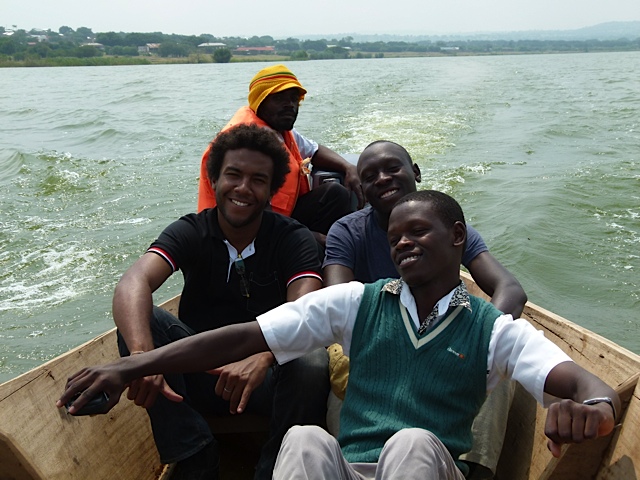
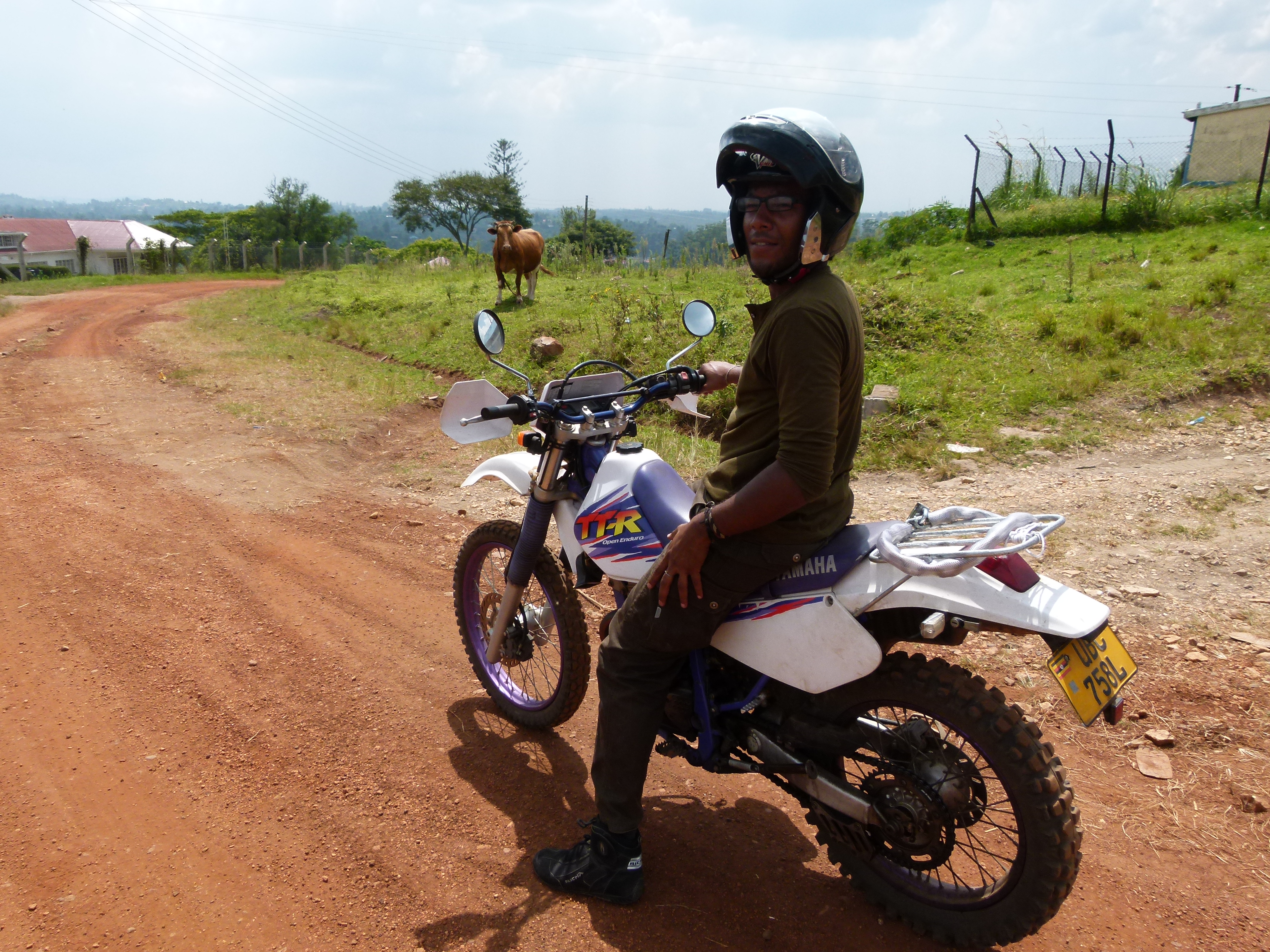
Kasese offered a unique environment. The city lies between the Rwenzori Mountains and the Queen Elizabeth National Park. The region provided an unforgettable backdrop for Xavier’s first professional experience with international cooperation. “The landscapes were spectacular. Every day felt like an adventure. I went to work on a motorcycle, passing elephants on my way, it honestly felt surreal at times.”
What also left a big impression on him, besides the scenery, was the responsibility entrusted to him. Under the supervision of project manager Steven, Xavier worked directly with local fisheries officers.
Beyond technical solutions
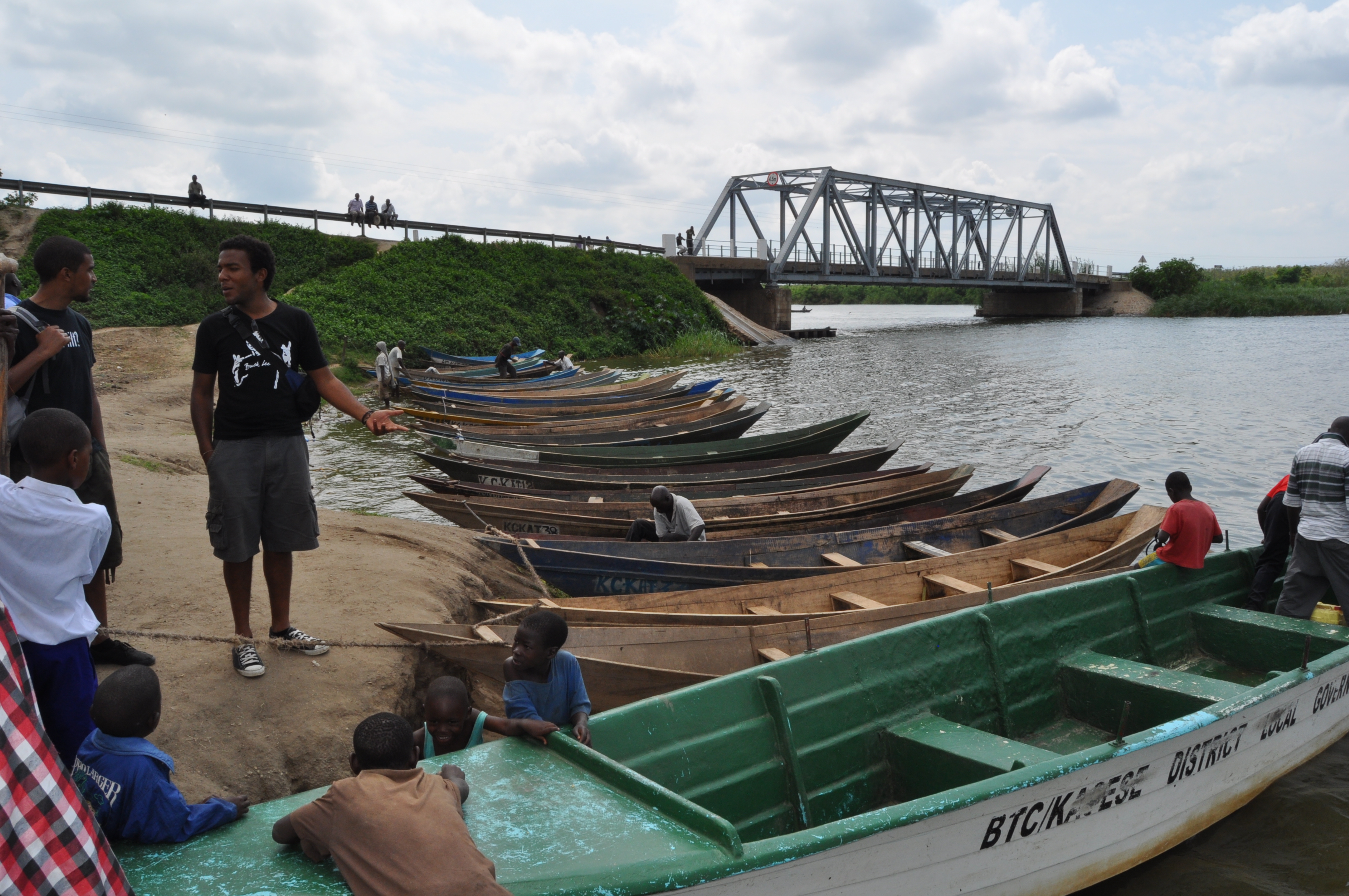
At the time, fish stocks in the region’s lakes were under increasing pressure due to overfishing. To address this, the Ugandan authorities had introduced a decentralized management approach, giving greater responsibility to local fishermen through Beach Management Units.
The idea was to help communities manage fishing practices in the lakes, enforce fishing regulations and promote more sustainable practices. Xavier supported these efforts in different ways: “I set-up training sessions, developed monitoring tools and worked closely with fishing communities on awareness-raising activities.”
But he soon realised that even the best set-up systems have limits. “When people are struggling to feed their families, fulfilling immediate needs naturally comes before long-term nature conservation.”
The experience helped him understand that international cooperation must be grounded in the realities people face.
Learning from mistakes
Alongside fisheries management, Xavier worked extensively on aquaculture. “The goal was to diversify sources of income for people living in the region as an alternative to fishing in the lakes.”
He supported around fifty model fish farmers through training and technical guidance. Fish farming in the region mainly focused on two species: tilapia and catfish. “Tilapia are relatively easy to raise, while catfish are more complex because they are predatory and require careful management,” explains Xavier. However, catfish often fetch higher market prices and are better suited for processing methods such as smoking, making them an attractive option for farmers.
One project became a memorable lesson. Because fish of different sizes had not been separated properly, a few large catfish eventually ate most of the smaller ones. “When we discovered this, it was a big surprise. A costly mistake, but at the same time, an important lesson.”
A broader perspective on international solidarity
At the end of his assignment, Xavier wanted to move closer to his partner, who was still working in Southeast Asia, and accepted a position with WorldFish in Myanmar. There he really started from scratch, setting up an office structure and launch the first WorldFish programmes in the country. A very new, but enriching experience for him. “I ended up staying in Myanmar for almost 11 years,” says Xavier.
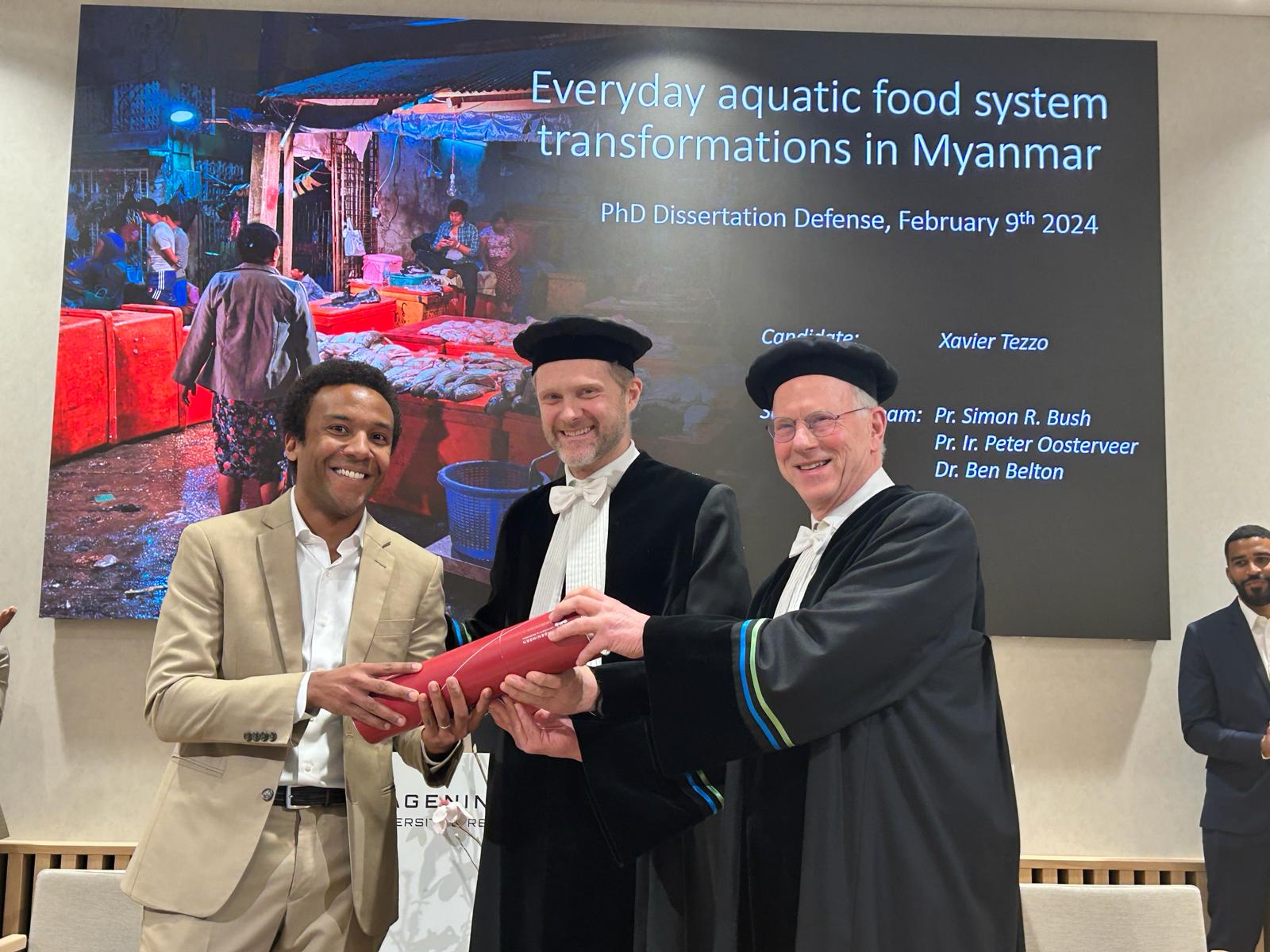
When the Covid-19 pandemic disrupted life, Xavier and his family eventually left the country via Thailand and returned to Belgium on a repatriation flight. The unexpected pause gave him a chance to focus on family life and spend time caring for his young daughter, while also progressing with a PhD he had started alongside his work.
“With the PhD, I really took a wider perspective and focused on food systems as a whole: production, processing, distribution and consumption,” says Xavier. His research focused on how the transition from capture fisheries to aquaculture affects food consumption and value chains in Asia. “I became interested in what happens beyond production: what people buy, cook and eat, and why. I spend a lot of time in kitchens, talking to people, it was a very enriching for me.”
Staying grounded
Today, Xavier works as a Food Systems Expert at Enabel, a role that brings together the different strands of his career: field experience, technical expertise and research. Building on the systems approach developed during his years at WorldFish and through his PhD. “I really believe that links between research and project implementation are super important. Throughout a project cycle, we need to be able to adjust and redesign, to me this is key for impactful projects.”
Two lessons continue to guide him throughout his professional carreer: the first came from a WorldFish supervisor, who advised him to protect both his optimism and his moral compass throughout his career.
The second came from his boss Steven, in Uganda. At one point, the Junior Experts wanted to buy more comfortable office chairs and a better office coffee machine from Peace Corp volunteers who were leaving Kasese. Steven refused. His reasoning was straightforward: “As long as your Ugandan colleagues from the ministry sit on wooden chairs, you’ll sit on wooden chairs too.”
At the time, the lesson felt harsh. Looking back, Xavier sees it differently. It taught him that even small everyday choices can create distance between international and national partners. “When material and symbolic distance becomes too great, the credibility of international cooperation work suffers. I think that differences in salaries, per diems, hotels and working conditions can sometimes create an unnecessary distance between expatriate staff and national staff or partners. We need to install conditions that allow to build trust and mutual understanding,” he argues.
For Xavier, a major part of effective cooperation is about humility, empathy and a willingness to question one’s own position within the system. “Without trust, listening and mutual understanding, sustainable change simply isn’t possible.”
___
*At the time if you were selected for the Junior programme you automatically became part of a pool after which you could apply to different posts whenever they were published. Within the recent Junior Programmes, candidates directly apply for a specific position.