Women at the heart of the social and solidarity economy
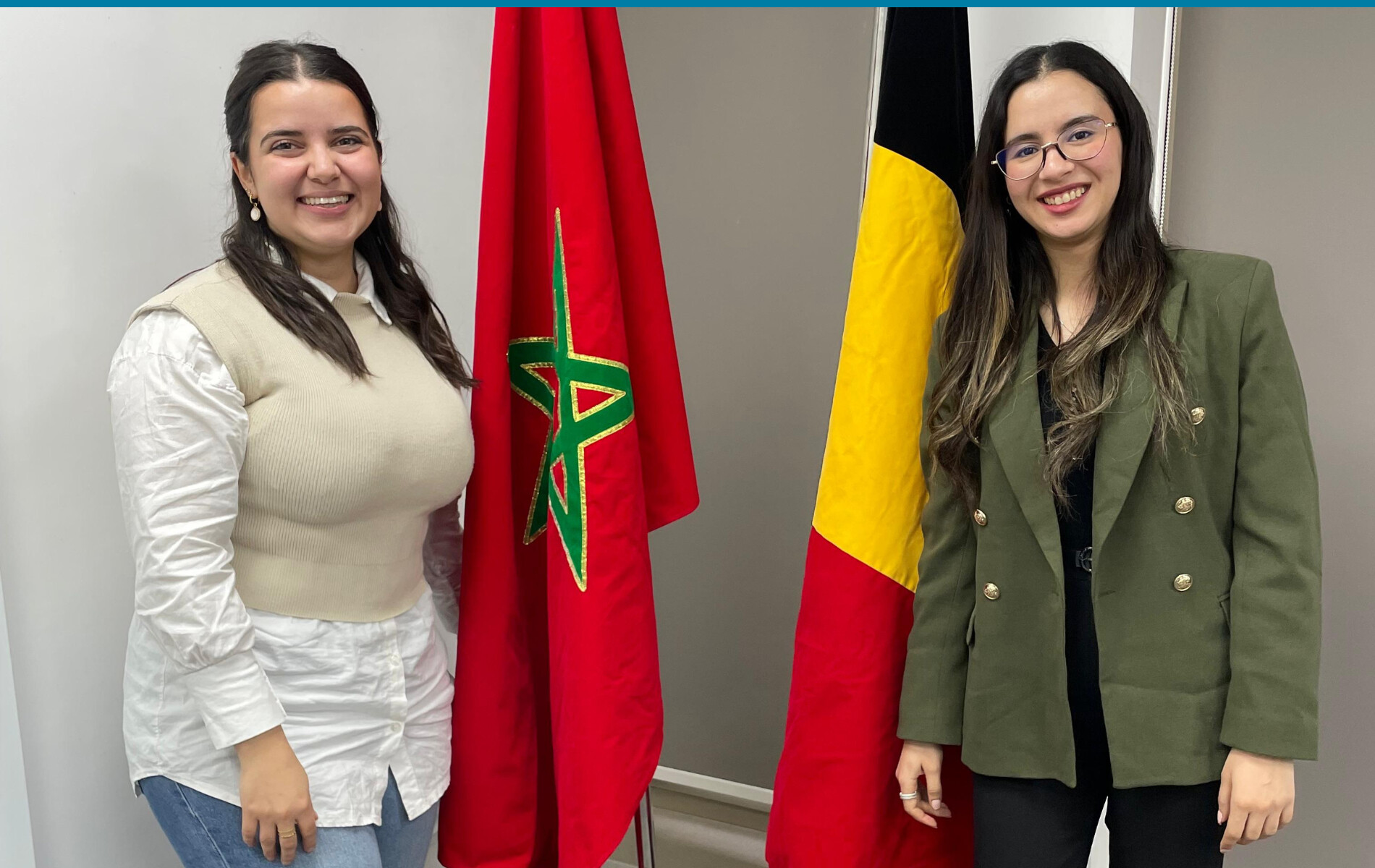
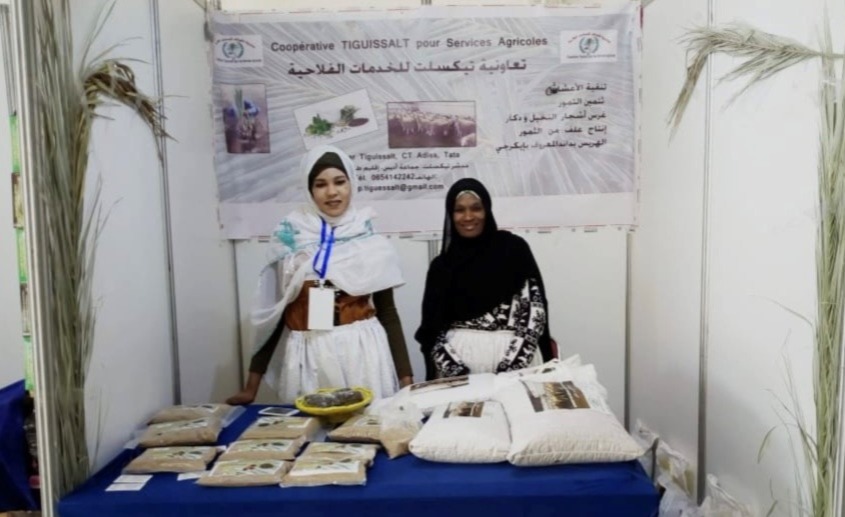
The Tiguisselt cooperative attracts much attention in the Tata Province of Morocco’s Souss-Massa region. This cooperative, which provides services to women entrepreneurs, is a real steppingstone for women emancipation and a driver for local economic growth. Sarah Siouad, the cooperative’s president and co-founder, tells us the cooperative’s story.
A social start
It all started in 2015 when Sarah, together with 13 other women from the Tiguisselt douar (rural administrative region), created a social association that offers, among other things, agricultural services.
The group brought together women aged between 26 and 50, some of which were illiterate while other were university students. They wanted to improve the quality of life in the douar and therefore create the Tiguisselt Douar Initiative and Renaissance Association. Their first social initiatives regarded the distribution of Ramadan baskets and clothes or school supplies as well as play activities for the children of the douar.
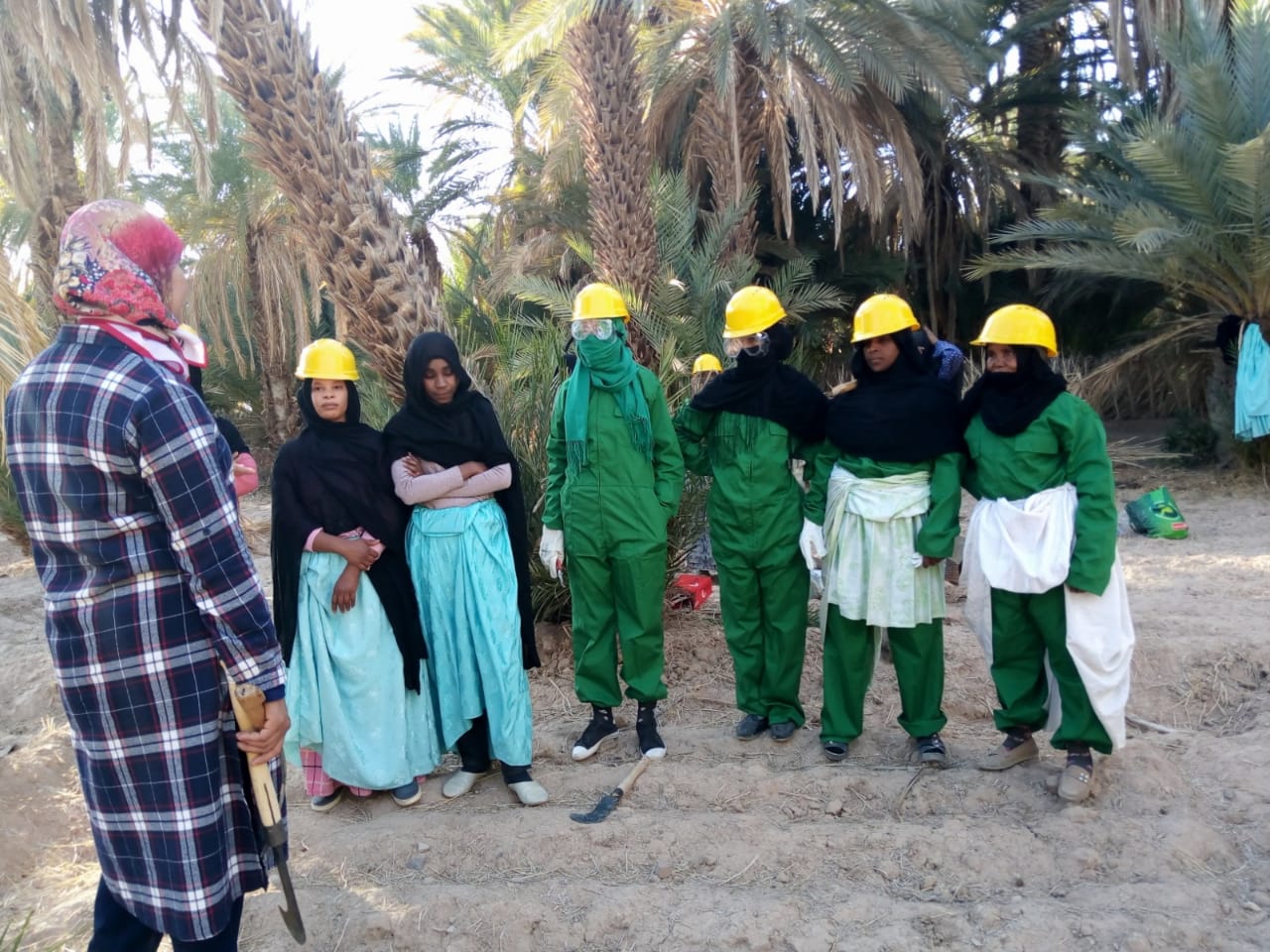
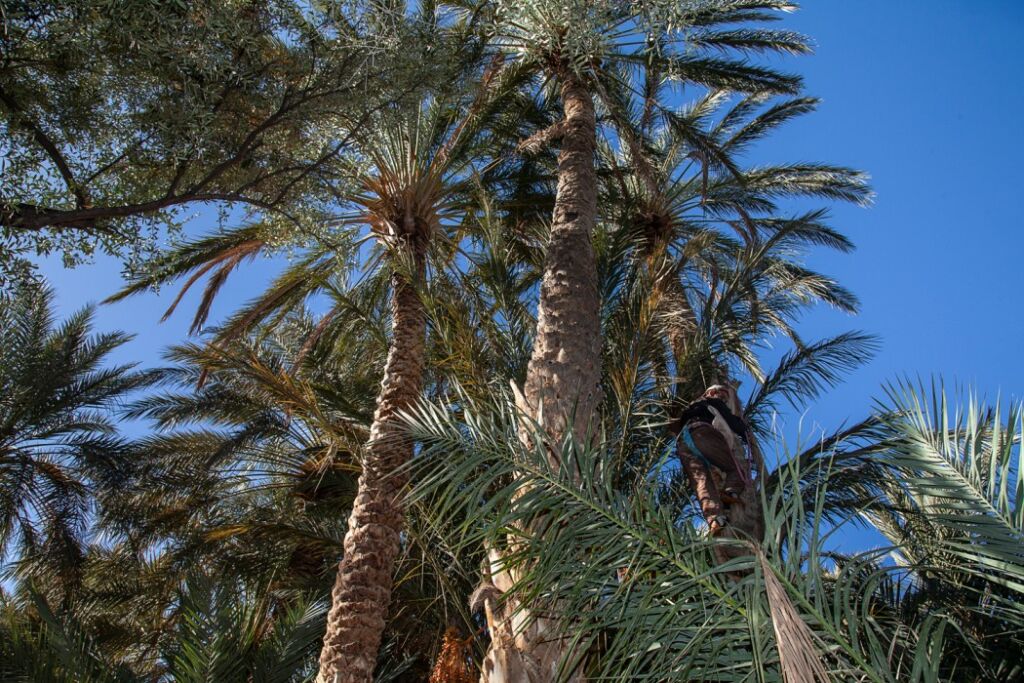
Besides, the association started offering palm grove maintenance services such as field clearing, clump cleaning and harvesting.
From association to cooperative
In 2018, with the support of the PAGIE project, they decided to adopt a new status to realise their ambitions.
Indeed, unlike an association which must always be non-profit, a cooperative is a profit-making enterprise which contributes to the development of its community. The cooperative status allows generating profit and redistributing part of it among members, while keeping certain values such as social justice, equity and equality. Another inherent value of cooperatives is democracy: Each member has an equal right to vote regardless of their status according to the “one person = one vote” principle.
“By becoming a cooperative we could learn and become financially autonomous without sacrificing the human aspect of our work,” explains Sarah SIOUAD, the cooperative’s president.
In the first year, the women of the cooperative worked only with the douar’s farmers. Gradually, they expanded their activities to neighbouring oases. Since 2021, they occasionally have been hiring external staff to support them, thus creating employment in their community.
Growing ambitions
Buoyed by the success of their activities, the cooperative now aims to develop palm waste exploitation services (transformation of palm tree waste into cattle feed or even basketry and carpets) to diversify the sources of income of its members. However, for this, space is needed.
“We are currently looking for partnerships and funding to build our own premises. Four years ago, I would never have imagined taking such steps. The skills we have acquired through the support and training provided by PAGIE enable us to take such steps today.”
Improved quality of life
For Sarah, the biggest success of the cooperative is that its members have been empowered and improved their quality of life.
“The cooperative helps to ensure a stable income for members. They are now self-sufficient and can provide for their families. Our 4 student members use this income to finance their university studies. Moreover, I notice that women are more assertive than before. They take part in training courses, they leave the douar, they go to see the administrations on their own, they become independent.”
Despite the challenge, Sarah is now looking forward to the future.
“The mentality in the douar is changing little by little. Recently, we have even received applications from other women in the douar. Entrepreneurship is becoming more accessible to women. We are on the right track!”
The PAGIE project in a nutshell
- To significantly increase the revenue from smallholder farmers in the oases, mountain and pre-Saharan regions Morocco has adopted a social strategy called Pillar II of the Moroccan Green Plan.
- While working with national and local partners, Enabel assists in the development of the date value chain in Souss-Massa. We work at strengthening the date value chain: upstream, by training farmers in agricultural practices; and downstream, by accompanying them in creating and managing cooperatives and Economic Interest Groups (EIGs) and in commercialising their products.
- Sustainability of the project: Palm groves form a natural wall against desertification, in particular through barriers made from date palm waste to retain sand. However, climate change and the scarcity of water resources have weakened the balance of this ecosystem. This is why we support date palm production techniques based on agroecology.
- The project budget amounts to 13.5 million euros and 100 million Moroccan dirhams.
- Financed jointly by the Belgian Development Cooperation and the Moroccan government, the project started in 2016 and will end in 2023.